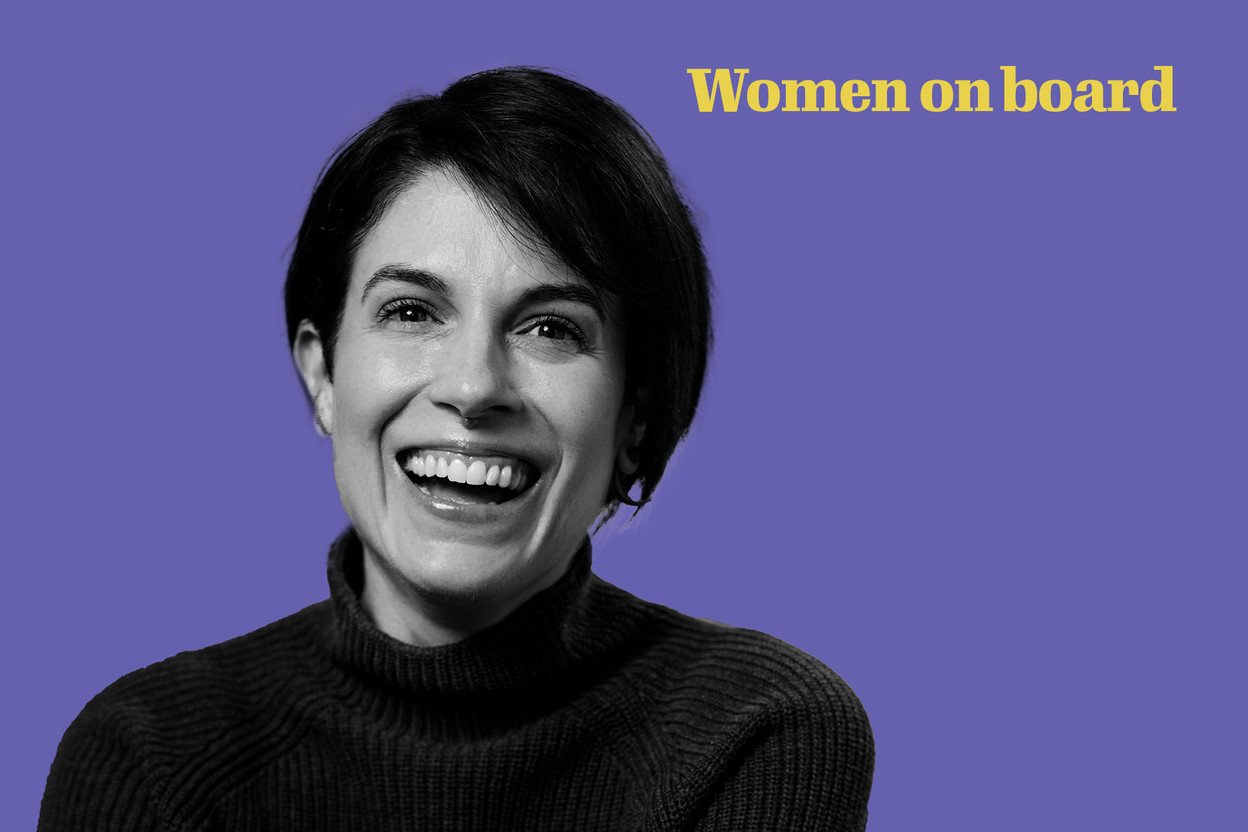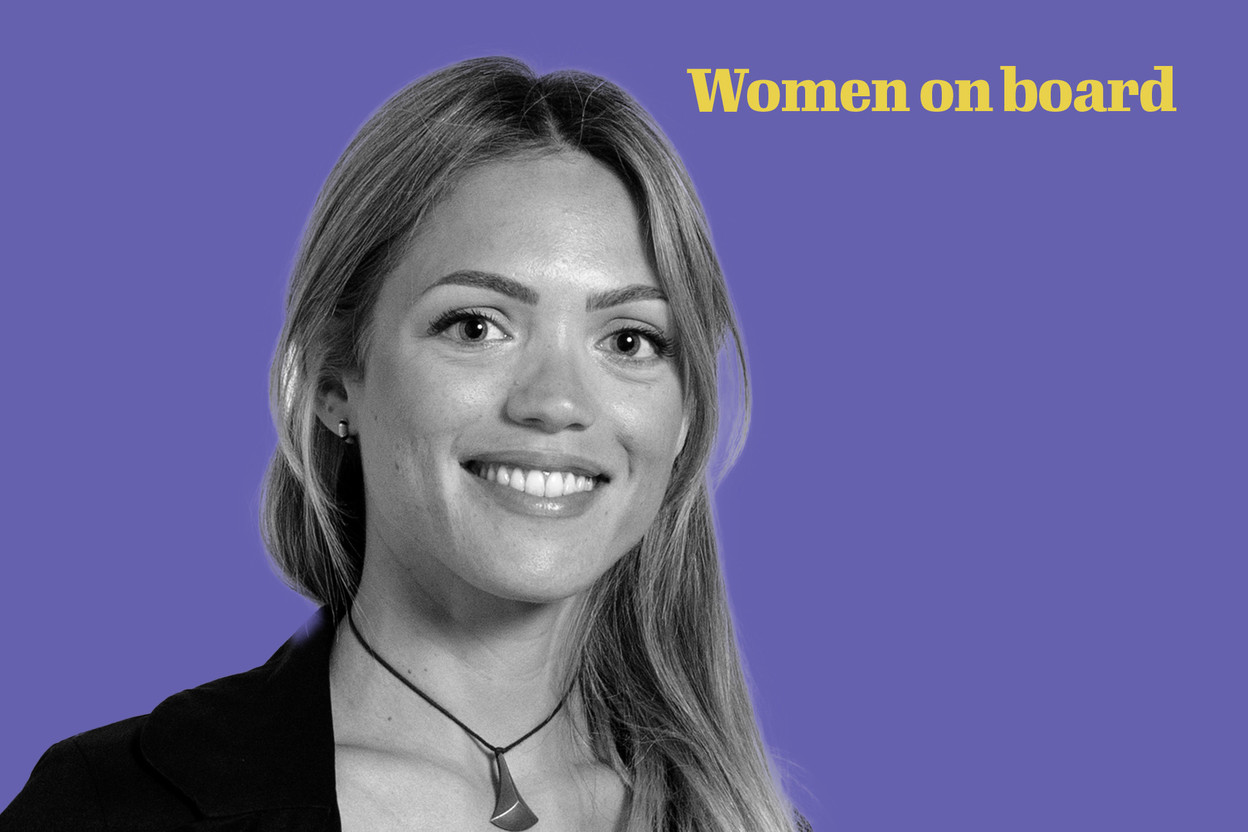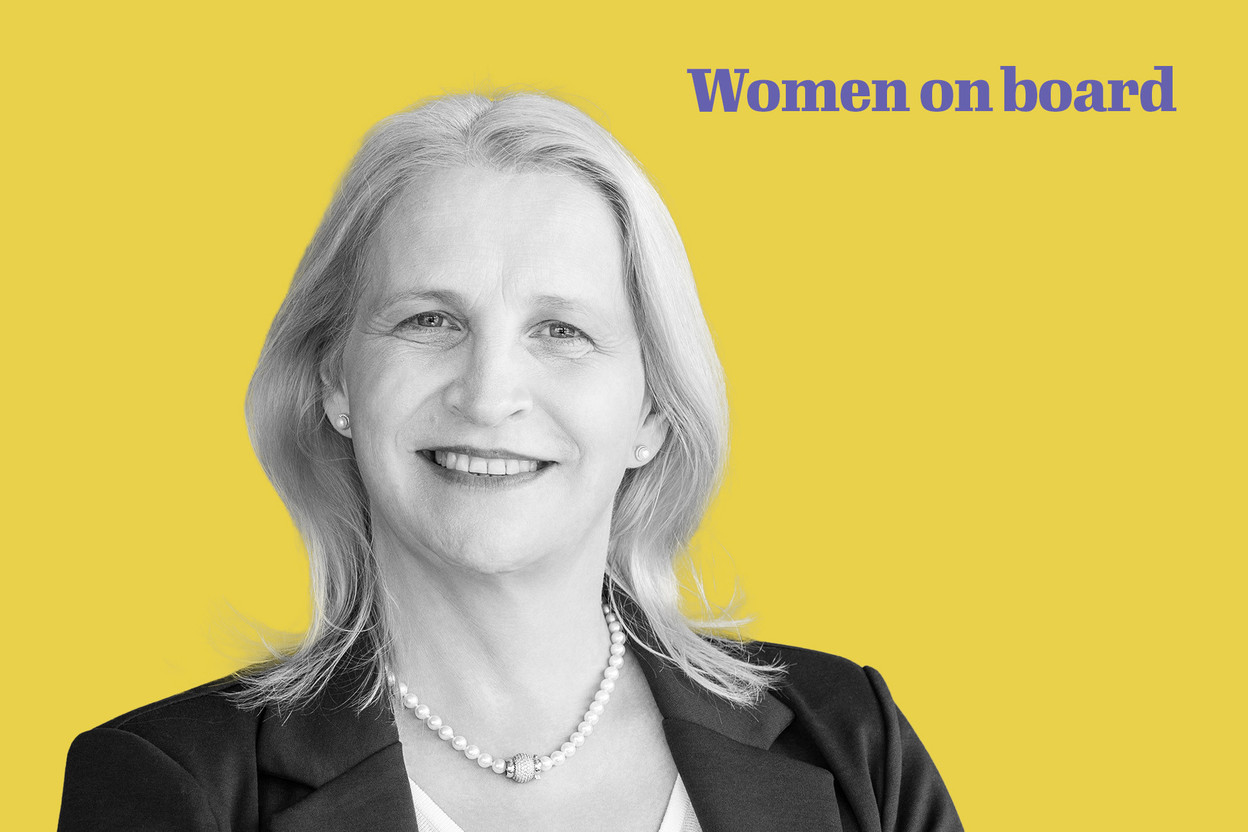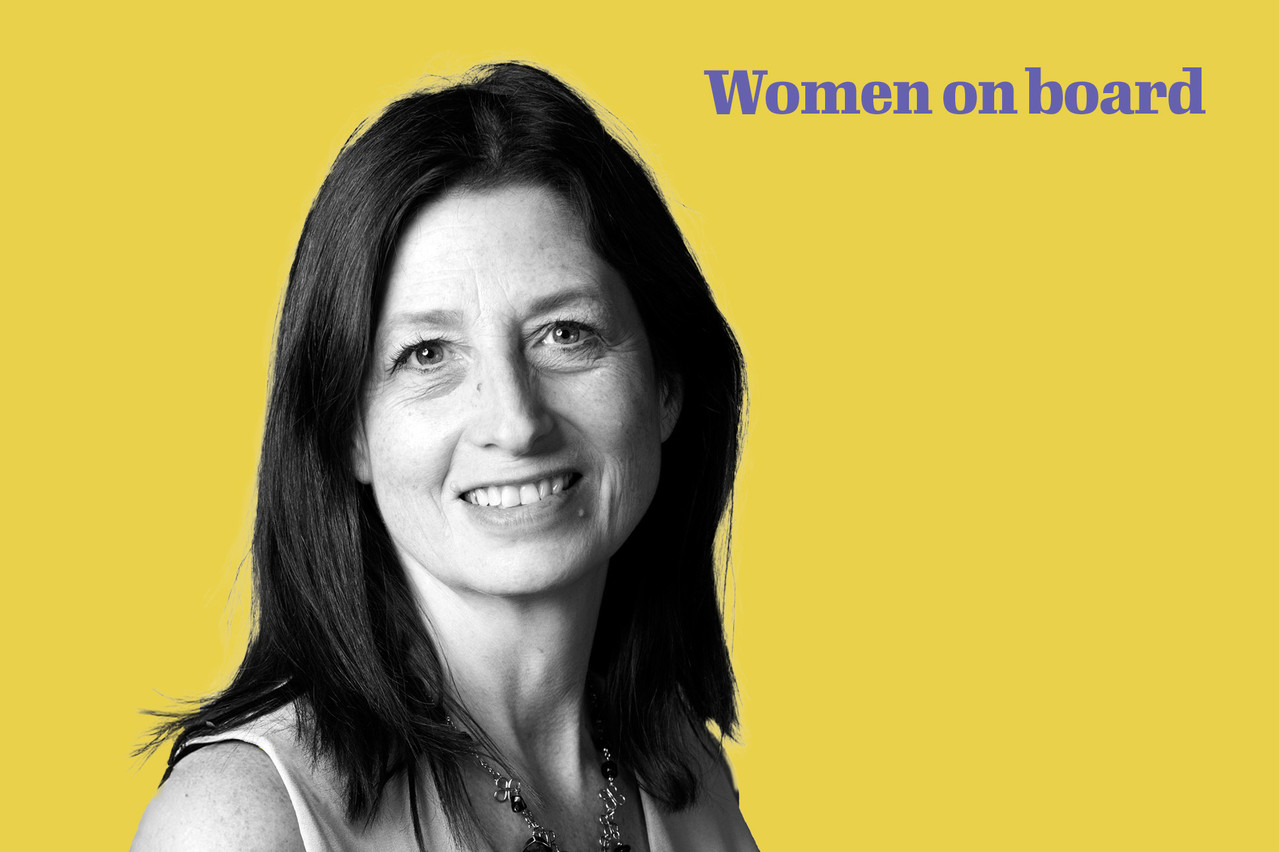
Karen Wauters is currently non-executive director and Canada’s honorary consul. She holds mandates in Cancham Belux and various subsidiaries of listed international groups across various sectors.
Paperjam: What are the main challenges you’ve faced as a female independent board member?
Karen Wauters: I feel comfortable in my role and believe that the challenges I have faced are not gender related but role related.
How do you handle resistance or scepticism directed at you?
I always carry this quote from Eleanor Roosevelt with me and take a deep breath as I recall it: “No one can belittle me unless I allow them to do so.” As a leader, you need to know who you are and your strengths and biases. It is important to remember that you are not always right and some scepticism is important to grow and learn. The challenge is to know the difference!
Do you believe gender equality is improving within boards of directors?
I think it has improved, but I do not believe that the next step to a full diverse board based on complementary competencies will be achieved quickly. There are systemic societal preconceptions, as well as measures and processes within organisations that need transformation.
What is your opinion on quotas for women on boards?
As a young university student, I was strongly against quotas based on an academic assessment. However, with experience, I have accepted that they are required to “unblock” the situation. They do have negative implications, so I hope that we can move to the next step where it is no longer an imposed measure but rather a standard market expectation and thus organisational norms to meet predefined diversity measures. I wish markets would value this aspect and thus entities with non-diverse boards would be penalised in their access to finance.
As a female board member, do you feel a particular responsibility to advocate for gender parity and inclusion?
I feel it is important as a responsible member of society--regardless of my own gender! In your view, how does diversity impact a board’s performance? I believe in the power and impact of diverse perspectives; however, it takes a lot of work and discipline to harness these benefits of diversity. It is not enough to have a diverse group. There also needs to be an openness to listen, to respect different perspectives and to ensure that all members of the group are given the opportunity to speak and to feel uninhibited to contribute.
What solutions or policies could foster better gender parity?
Gender parity needs to start earlier in the career path.
What advice would you give to a woman hesitating to take this path?
Do not overthink and/or underestimate your competencies and impact.
Do you have an anecdote or a defining moment in your career that illustrates the reality of being a woman in this role?
“You are different from the others but you still succeeded.” This is a comment that I received from people who were not part of the team but contributed to it. The comment came when I rolled out of a position and it made me realise how hard I had needed to work but also that you can be yourself and succeed.
What advice would you give to a young woman who wants to make her mark in society? And what would you caution her against?
Be authentic and be yourself. Others will respect you for this and more importantly you will respect yourself. Do not feel compelled to act in a way that the stereotypes of society define the role.