After defence: housing. The government intends to tap into private savings once again. A retail bond issue worth €250m was announced on 16 July as part of the ‘Booster fir de Wunnengsbau’ package. It is due to be issued in early 2027, modelled on the ‘defence bond’, which was issued on 5 February 2026 for €150m and fully subscribed within a few hours. To attract retail investors once again, the government is proposing to make the interest entirely tax-free.
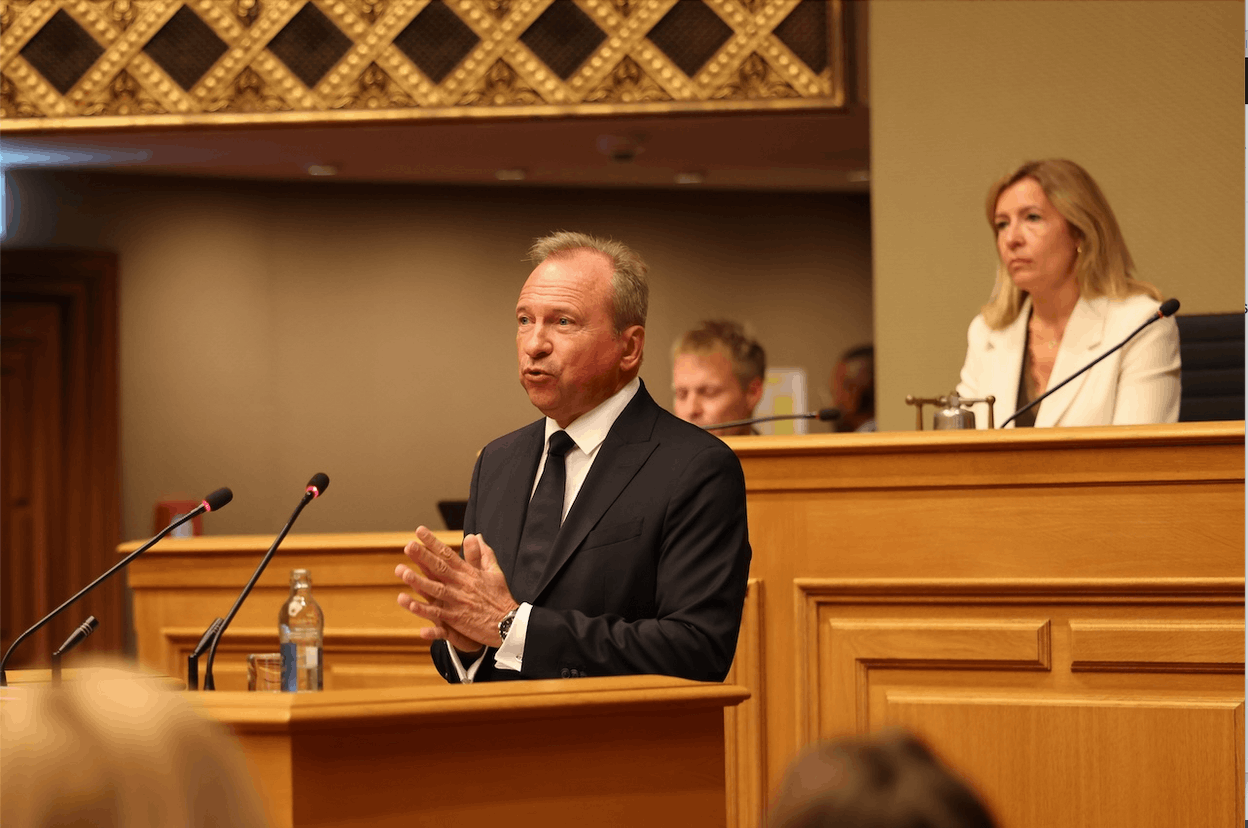
Bill 8843, tabled by the minister for finance, 
Issued in January, with a three-year maturity
The tax relief will be subject to several cumulative conditions. The bonds must be issued by a government, denominated in euros and have a maturity of three years. They must be subscribed to and issued between 1 and 31 January 2027. Finally, at the time of issue, the issuing State should hold the highest rating awarded by at least two internationally recognised rating agencies. The scheme is aimed at individuals resident in Luxembourg who are investing as part of the management of their private wealth. Companies and investments carried out in the course of a professional activity will be excluded.
The exemption would apply both to interest normally subject to final withholding tax and to interest taxed via the tax return. It would have no upper limit and would not reduce the annual allowance of €1,500 already exempt for certain investment income taxable on the basis of an assessment.
The benefit follows the title
The tax benefit will not be restricted to the initial subscribers. A resident individual who subsequently purchases the bonds on the secondary market may also receive tax-exempt interest, provided that the securities meet the criteria laid down by law. The January window therefore relates to the initial subscription and issue, without precluding subsequent acquisition.
Another notable feature is that, despite its aim of financing housing in Luxembourg, the measure would not be restricted exclusively to bonds issued by the Grand Duchy. Securities from other states meeting the same conditions could also benefit from it. The government justifies this openness on the grounds of respecting the free movement of capital.
A hypothetical tax cost
What return can savers expect? The proposal does not specify the interest rate on the future loan. The financial statement uses an assumed rate of 3.25% per annum to illustrate the loss of tax revenue. On this basis, a €250m issue, fully subscribed by resident individuals and held with Luxembourg banks, would represent a gross loss of tax revenue of €1.625m per year. That amounts to €4.875m over three years, corresponding to the absence of a 20% withholding tax on interest.