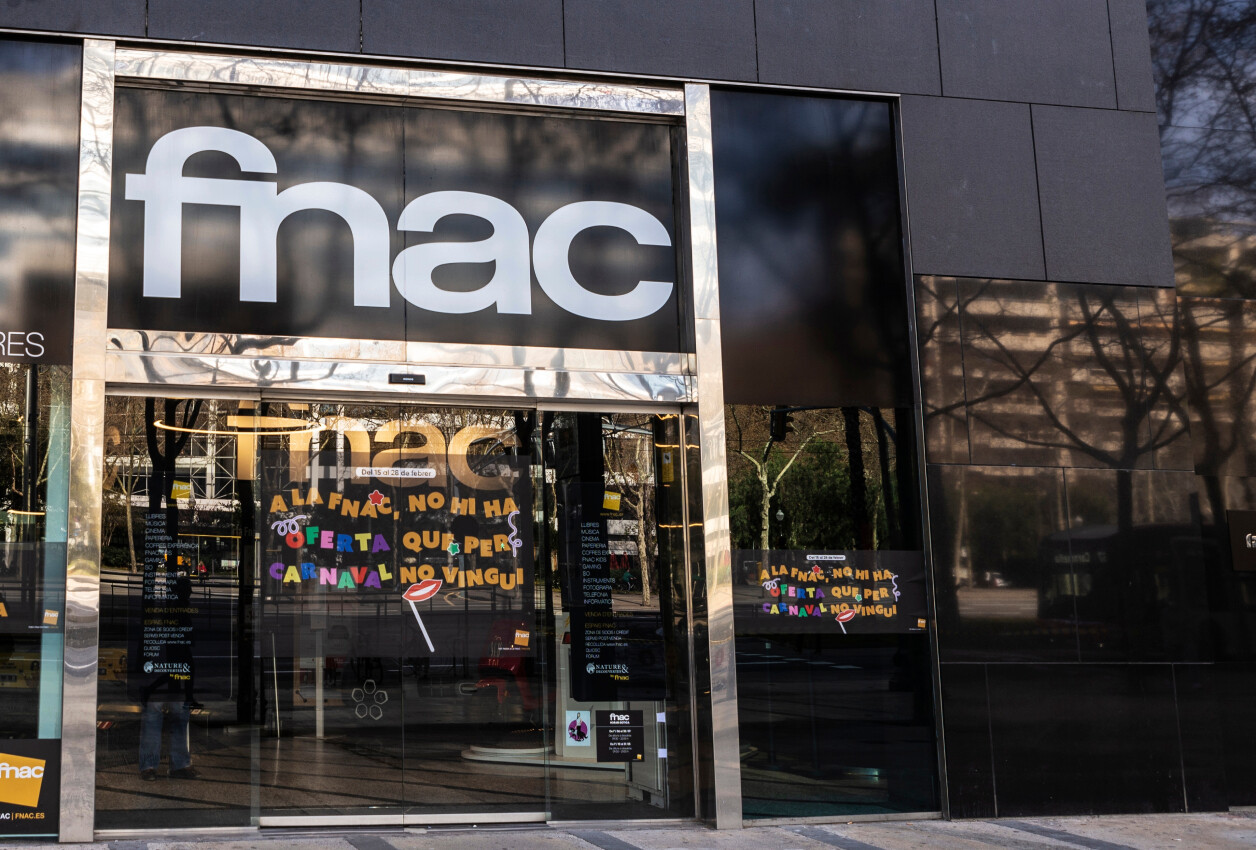
Simply opting out of tracking was not enough. The Fnac app continued to share details of the products viewed by its users in order to personalise the items suggested to them. The French Data Protection Authority (Cnil) has fined Fnac Darty Participations et Services €6m. Fnac Direct will have to pay €1m. The two companies jointly publish the brand’s mobile app.
The fines follow a complaint lodged in September 2023 by the Austrian digital rights organisation None Of Your Business (NOYB). The complaint had also targeted the apps of the property platform SeLoger and the food tracking service MyFitnessPal.
The Cnil inspected the Fnac app in March 2024. Its officials found that the app was sending requests, via an application programming interface, to a domain belonging to a third party. The information transmitted included a user ID assigned by Fnac to the user. It also detailed the user’s activity within the app, in particular the products they had viewed. This mechanism was used to reconstruct the user’s browsing history. This enabled Fnac to recommend products similar to those searched for, as well as accessories, consumables or services associated with a purchase.
Even for customers who said “no”
The data also fed into the learning process of the algorithm responsible for generating these recommendations. The use of the tracker was therefore not limited to immediately displaying a product likely to be of interest to the customer. It helped to improve the personalisation system for future use. Both companies argued that this feature was part of the service expected by the app’s users. They regarded the recommendations as necessary for the app’s functioning and therefore believed they could operate without consent.
The Cnil rejects this interpretation. The tracker was not necessary to enable electronic communication. Nor did it respond to an express request from the user that was essential to the provision of the service. As its purpose was commercial personalisation, the user’s prior consent was therefore required.
The authority notes, in particular, that the information was sent despite the user having expressed their refusal to be tracked. It therefore finds a breach of Article 82 of the French Data Protection Act, which governs access to information stored on a mobile phone or other device.
The tool in question is said to have been replaced
In setting the fines, the CNIL cites this disregard for users’ choices and the large number of people using the app. It also emphasises that the rules governing personalisation and commercial targeting trackers have been in place for a long time.
Fnac Darty has stated that it has replaced the tool in question. The two companies now have one month from the date of notification of the decision to demonstrate that the new system does indeed obtain consent where this is mandatory. Failing this, they will be required to pay a penalty of €10,000 for each day of delay. The publication of the decision constitutes an additional element of the sanction. The Cnil justifies this on the grounds of the seriousness of the breach, the scale of the data processing and the number of individuals affected.
The ruling goes beyond the case of a poorly configured consent banner. It serves as a reminder to retailers that a recommendation presented as a service to the customer remains a commercial transaction when it is based on the observation of the customer’s behaviour. A refusal expressed within an app must, therefore, actually stop tracking, and not merely change what is displayed on the screen.