Since mid-May, about 900 cases of the viral zoonosis--a virus transmitted from animals to humans--have been detected in several EU member states.
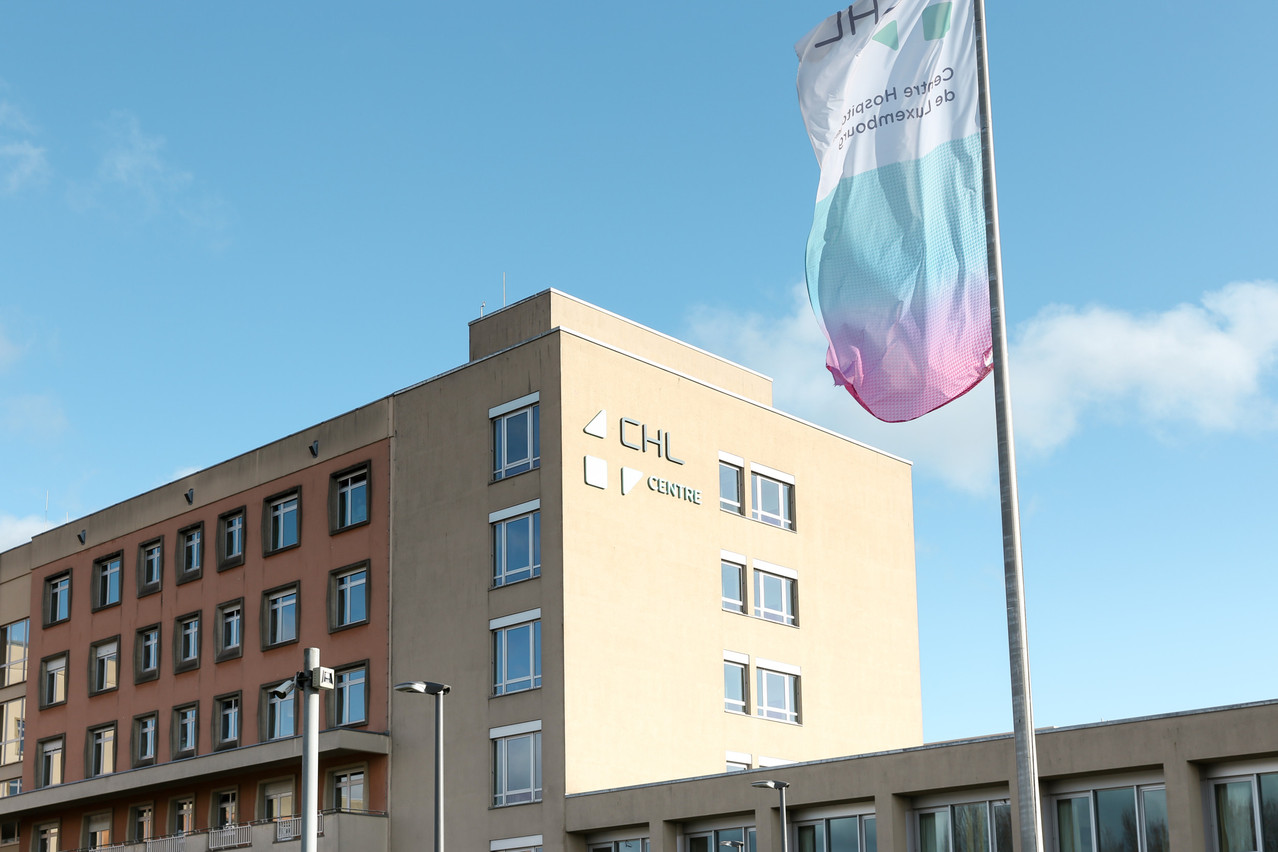
The patient identified in Luxembourg is in good health, the ministry said, and is being treated by the national infectious disease service of the CHL.
Monkeypox is most common in remote parts of central and west Africa and does not tend to spread easily between people. When it does, the illness is usually mild and most people recover within a few weeks. It spreads via sexual contact with an infected person or their bodily fluids including saliva, the World Health Organisation (WHO) says. Symptoms include rash, fever, headache, muscle aches, back pain, swollen lymph nodes, chills and fatigue.
When the virus’ arrival in Europe was first reported, the Luxembourg ministry of health on 23 May asked residents with symptoms to notify the CHL’s infectious diseases department and to isolate.
Now, it also recommends people who are potentially infected to refrain from sexual activities as well as any activities involving physical closeness until a diagnosis.
EU prepares for outbreak
While cases remain low, the European Commission’s Health Preparedness and Response Authority (Hera) has signed an agreement with Bavarian Nordic to secure vaccine doses for EU member states, the European commission said on 14 June.
The institution bought up 109,090 doses of the third generation vaccine that is so far used to protect adults against smallpox. Smallpox vaccines, however, prove to be effective against the monkeypox.
The European Commission announced that the vaccines would be handed out to member states on a pro-rata basis. As with the covid-19 pandemic, vaccines will first be administered to the most vulnerable populations if needed.
Monkeypox in general remains a mild infection.