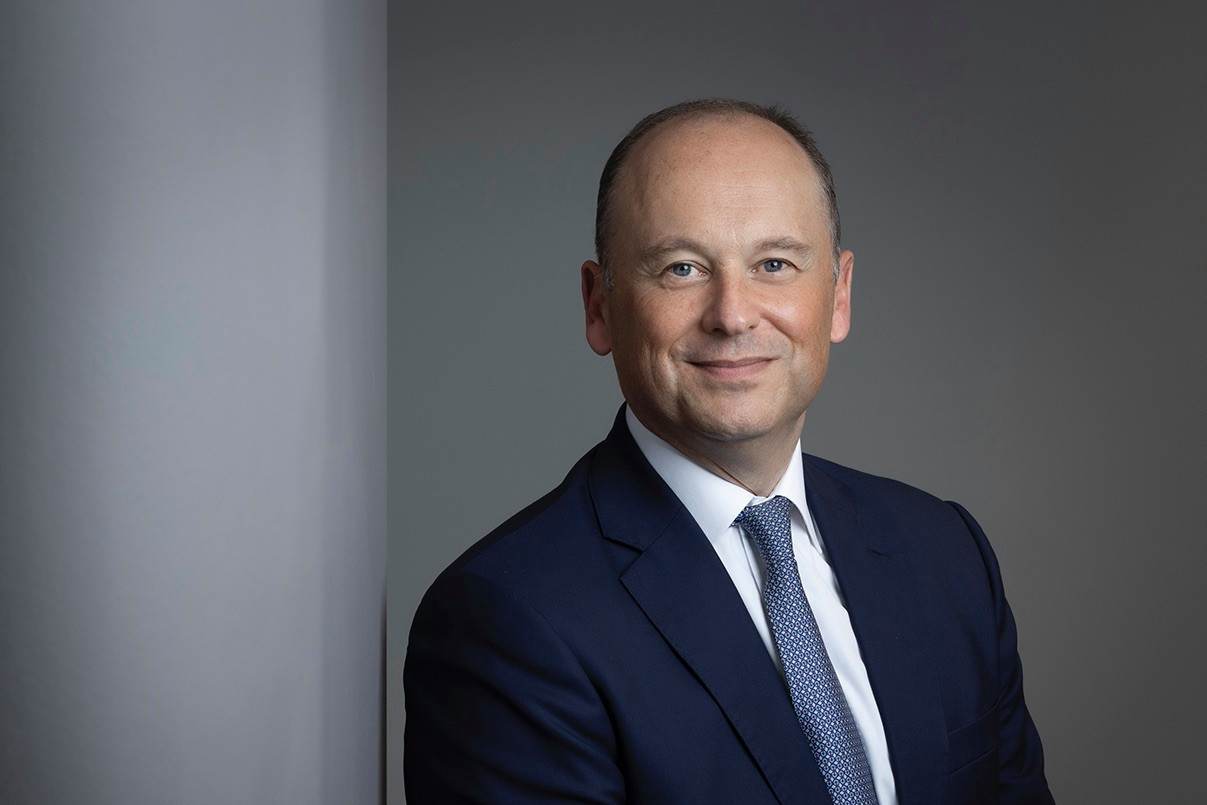
“It started with the idea of lawyers are people who know wealthy people, so we called on them,” said Naz Vahid, managing director and global head of the Citi Global Wealth at Work division at Citigroup. This was on Wall Street, 54 years ago. Originally, Citi bankers “thought they could get introductions to their clients... and soon enough, they realised that, wait a minute, they actually are wealthy people, they own their own businesses, they have really solid businesses. And it went from just calling on them [for client leads] to banking their partners to then being a part of the bigger business.”
Today, Citi Global Wealth at Work has “close to 49,000 clients; about 42,000 of them are with the law firm group,” although the business has since expanded into other professional services, such as accounting, consulting and headhunting. Such firms, Vahid said, are “very much structured like law firms,” often as non-listed partnerships, so from the bank’s perspective they were grouped together. So were asset managers.
Like other professional service firm partners, asset managers are “very, very busy individuals, who have no time to spend on their own financial matters. Like most of us, they work tremendous hours, they pay attention to themselves at midnight. And they tend to be great clients, if you build relationships with them early. They will stay with you as well, into their retirement if you serve them. And if you do well by them, [they are] a great source of referrals.”
Asking the right questions
The unit focusses on personal finances and is “not looking to serve the business”. The needs of the firm itself are “managed out of our commercial bank, which is part of our corporate bank. But we serve all the wealth needs of the individuals that [are part of] these firms.” She described the approach as “financial wellness”.
That includes asking clients: “Do you have the right allocation on the wealth side to the types of investments that you need to have? Are you keeping too much cash? Are you keeping too little cash? Are you putting your retirement assets in the right place? Do you have too much real estate or you don’t have enough real estate? All the way to liabilities: Have you borrowed sufficiently? Are you paying extremely high rates for what you could do differently? Is it money you need to borrow to put capital into your law firm, into your consulting firm, even funding when private equity firms want their partners to buy into co-investments?”
But surely investment fund professionals don’t need much finance advice, right? “Yeah, it’s interesting, originally when we were doing research on the asset manager segment, the comment people came back to us was ‘really, asset managers, why would they give you a shot at their investments?’ What we have learned is people who are in private equity, tend to know private equity. But, actually, because they’re so invested in private equity,” an advisor could potentially “say to them, you should be looking at fixed income on the other side of it, just to balance what you have.”
Specialisation in a certain class “will give you a lot of deep investment personally into that segment” while possibly leaving blind spots, stated Vahid. “Let’s not generalise. It’s not everyone, but it’s a good enough number that they want us to come in and do a checkup on the health of their financial wellness.”
Often fund professionals are not aware of or don’t fully understand all the options. “These are very successful individuals... they’re also embarrassed to tell people they don’t understand what is in front of them. So a lot of times the relationship with a banker is an easy way to get those answers.”
Read also
The team also works with pre-IPO entrepreneurs. “Think about it. They’re worth a lot of money, but in paper form, not in real form. So how could we help them figure out a way to plan for the moment they have the wealth, right? It’s really more important to plan before you have the wealth. Because once you have it, the liquidity event has happened, your tax situation has changed. And it’s almost too late to go back” and consult financial planners.
According to Vahid, Citi faces little competition in the segment, aside from a few smaller local banks in specific markets. Private banks “are set to go after ultra high net worth individuals” while rival full service banks typically have dipped their toes in the market only briefly. “I would say the biggest reason [we] have grown as much as we have in the law firm group is our staying power, that we haven’t gone in and out of that market where other banks have.”
Luxembourg hub
Citi Global Wealth at Work has 14 offices in the US, a centre in London and its European hub in Luxembourg. Its European Economic Area business used to be run out of London but was shifted to the grand duchy in October 2022. There was an extended training and ramp-up period, and Vahid said the bank has “just finished” moving “existing clients that should be served out of the EEA into the Luxembourg office.”
The grand duchy was selected because of the density of law firms and because “all of the major consulting and accounting arms are here, all of the big asset managers are here.” The Luxembourg team is currently made up of four people, although the number could rise as the business grows. They coach and support local bankers, who maintain their direct relationships with clients.
“I think we’re at the tip of the iceberg,” Andrew James, head of Citi Global Wealth at Work EMEA, said during the interview. “Luxembourg is absolutely core to our growth plans. This is really our first full year of being up and running, and having done a significant amount of migration as a result of Brexit. We are seeing very substantial interest in the offering and that’s been reflected in both revenue and AUM growth. And I think Luxembourg is a very exciting place to be, in terms of acting as a hub for the wider EEA.”
This article originally appeared in Delano magazine’s Summer 2024 print edition.