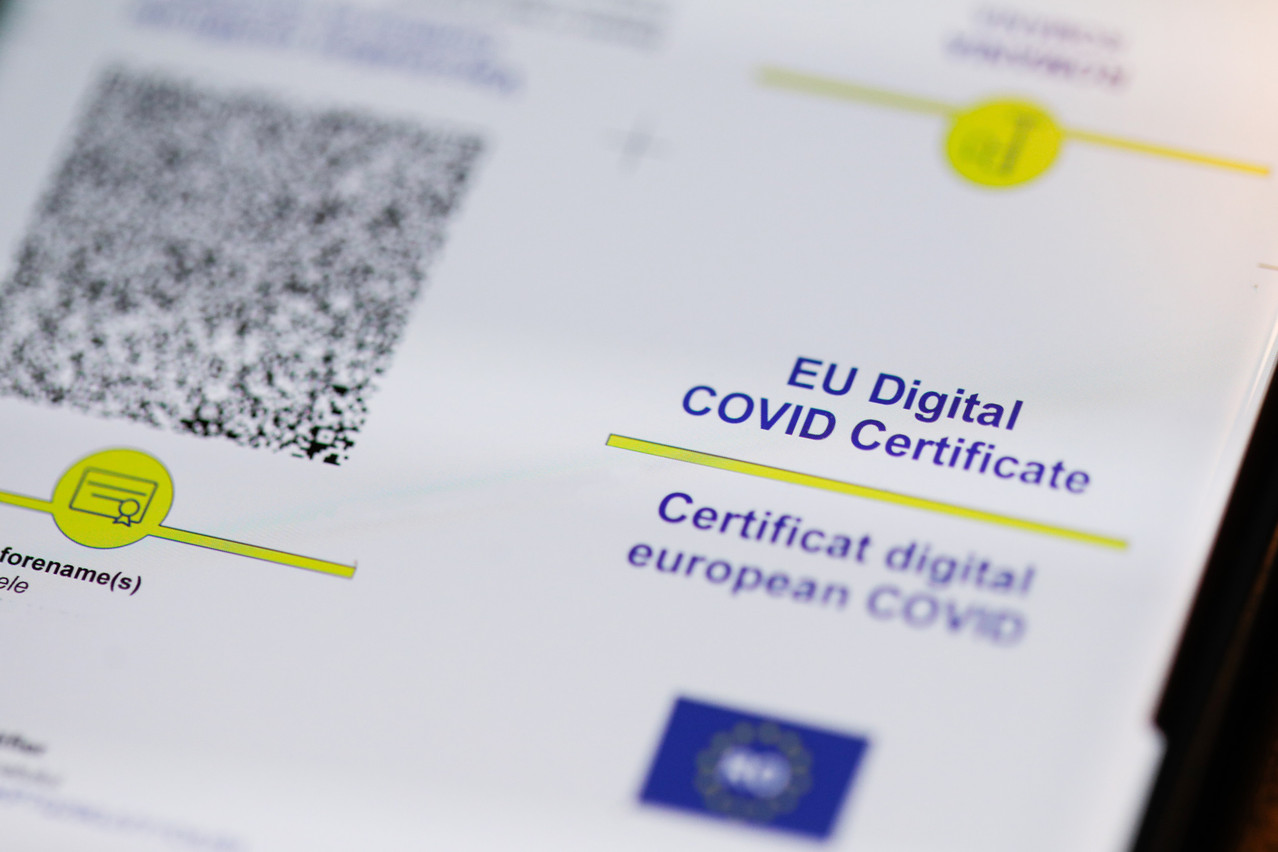
This change in policy means from 1 February, SARS-CoV-2 related restrictions are to be applied in relation to a citizen and their medical status as vaccinated or recovered, rather than the ongoing spread of the virus from the country in which they are based, with the exception of areas where “the virus is circulating at very high levels,” states the European commission.
Therefore, a traveller’s covid-19 vaccination, test or recovery status--as authorised by the EU as a valid digital covid certificate--will be the key determinant on their admission into a country, without, in principle, following additional restrictions, such as tests or quarantine, regardless of their place of departure in the EU.
Denmark on Tuesday announced it is the first EU country to scrap domestic restrictions imposed due to Coronavirus, thanks to an ‘uncoupling’ of infections and hospitalisations. Wearing a face mask, presenting the vaccination certificate to enter leisure facilities, and following a curfew will no longer apply.
However, the requirements for entry will continue applying, at least until the end of February.
Validity of EU digital covid certificates
A valid EU digital covid certificate includes:
· A vaccination certificate for a vaccine approved at European level if at least 14 days and no more than 270 days have passed since the first two doses or if the person has received a booster.
· A negative PCR test result obtained no more than 72 hours before travel or a negative rapid antigen test obtained no more than 24 hours before travel.
· A certificate of recovery indicating that no more than 180 days have passed since the date of the first positive test result.
The validity period of 9 months takes into account the guidance of the European Centre for Disease Prevention and Control, according to which booster doses are recommended at the latest six months after the completion of the first vaccination cycle.
The certificate is then valid for “a grace period” of an additional three months beyond those six months to ensure that national vaccination campaigns can adjust and citizens are able to access booster doses.
As of yet, the commission has said there are no studies expressly addressing the effectiveness of boosters on the transmission of covid-19 and therefore is unable to determine how long the covid pass will be accepted following a booster.
However, the commission has not ruled out introducing an acceptance period for vaccination certificates issued following a booster and that they will be adopted on the basis of new scientific evidence.
Children and Non-EU Citizens
Should an EU citizen be vaccinated in a non-EU state, they are able to request the EU digital covid certificate, if they provide proof of vaccination with a vaccine also authorised from the member state of their nationality or residence.
Children must also get the EU digital covid certificate. The EMA has allowed children aged 12-17 to be jabbed with BioNTech Pfizer and the Moderna Spikevax. Children can also receive a test or recovery certificate. These certificates could also be received by their parents.
EU member states have also agreed that minors travelling with parents are to be exempt from quarantine when the parents do not need to undergo quarantine.
Children under 12 will also be exempt from travel-related testing.
On 13 January the tenth meeting of the Emergency Committee was convened by the WHO Director-General and identified 11 actions as critical for all countries.
Recommendation 6 advises countries to “lift or ease international traffic bans as they do not provide added value and continue to contribute to the economic and social stress experienced by States Parties” pointing to “the failure of travel restrictions introduced after the detection and reporting of Omicron variant to limit (the) international spread of Omicron (which) demonstrates the ineffectiveness of such measures over time”
Recommendation 7 asks states to “not require proof of vaccination against COVID-19 for international travel” due to the limited global access to the vaccines.