The Kirchberg-based European Investment Fund (EIF) wrapped up the European year of skills by announcing three new guarantee agreements supported by the InvestEU programme on 29 April 2024. Aimed at supporting nearly 40,000 students, these agreements, totalling over €100m in financing, seek to enhance access to education and training for underprivileged students and learners. Facilitated through intermediaries in Germany and Spain, these transactions form part of the skills and education guarantee within the InvestEU programme, offering opportunities for both EU and non-EU students to pursue higher education or reskilling training.
Amid the unveiling, 
Margaritis Schinas, commission vice president for promoting our European way of life, highlighted the InvestEU programme’s crucial role in directing investments towards improving access to education and training. He emphasised the significance of such initiatives in assisting young people and learners in pursuing careers aligned with market demands.
The agreements encompass a range of initiatives. In Germany, Lendorse secured a €10m deal to support over 800 non-EU students from developing and emerging countries in pursuing master’s degrees, particularly in science, technology, engineering and mathematics fields. This initiative employs Income Share Agreements, enabling talented students to defer payment until after completing their studies.
In Spain, SeQura and Bcas received guarantees to support students in acquiring new skills or reskilling for better employment prospects. SeQura secured a guarantee for a loan portfolio of €62.5m, benefiting approximately 31,000 students, with a focus on vocational upskilling and master’s diplomas. On the other hand, Bcas obtained a guarantee for a €30m portfolio, providing around 7,500 learners with access to income sharing agreements focused on employment-oriented reskilling.
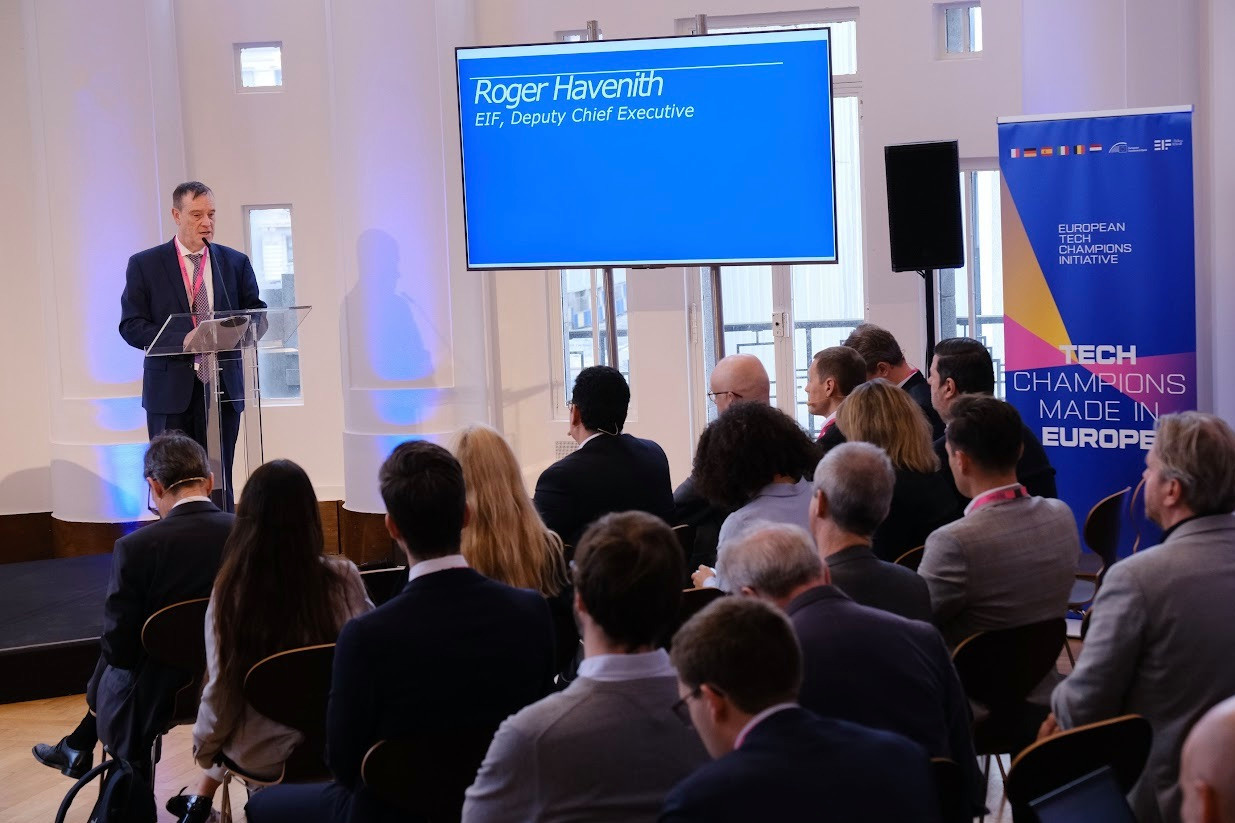
The “Level Up” event, organised by EIF in collaboration with the European Investment Bank Advisory Services, brought together financial intermediaries and stakeholders interested in financing skills and education. Apart from showcasing InvestEU products supporting skills and education financing, experts provided insights into how stakeholders can leverage InvestEU financial products to support education and upskilling initiatives.