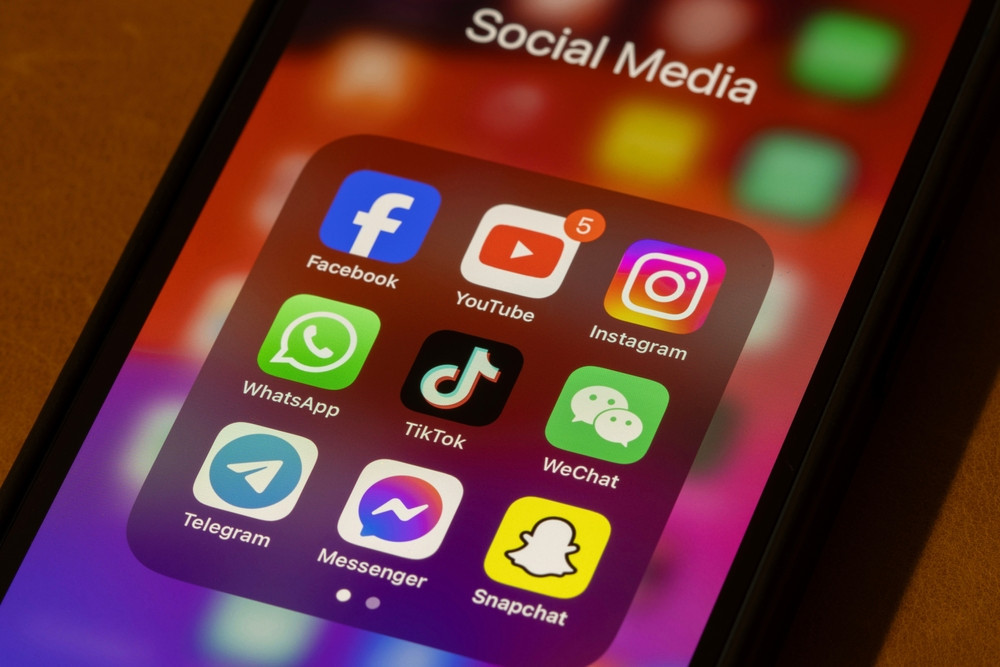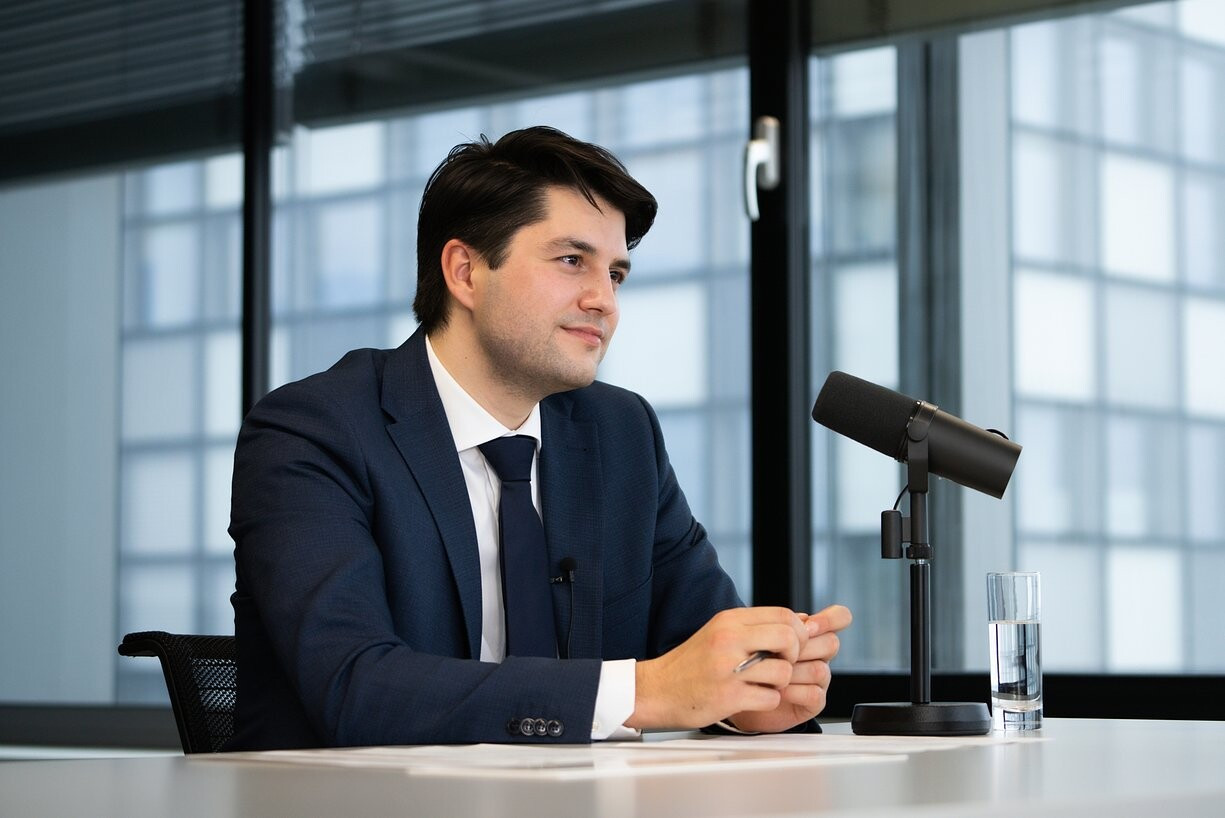
I remember it well. I joined Facebook in the spring of 2007, by invitation of Jeremy Leslie—a dear friend with whom I share a deep passion for the printed magazine. By then, I had already experimented with several social networks. I had joined LinkedIn on August 21, 2004, though I used it more as a directory than a living community. I browsed MySpace for music, and probably others I have since forgotten.
I trusted Jeremy. He had a sense for “the place to be.” And I was drawn to the idea of joining, early on, a global community of like-minded people—especially those orbiting the independent, creative magazine world that fascinated me.
And I was right to trust him.
At that time, Facebook delivered exactly what we all wish social media would still deliver today. And the same could be said, later, of Instagram in their early days.
A simple feed. Posts from friends only. A clean, chronological timeline. No algorithm hijacking attention, no engineered friction, no distortion of time. Just connection.
It was, in hindsight, a wonderful moment—for users, who could connect across borders as easily as across the street, and for shareholders as well. In 2012, Facebook went public in what remains one of the largest tech IPOs in history, valuing the company at $104bn. The Nasdaq Composite surged with excitement.
But at the latest, by then, something fundamental shifted.
Just weeks before the IPO, Mark Zuckerberg—27 years old at the time—acquired Instagram, a 13-person startup, for $1bn. With that level of capital comes a different set of imperatives. When you raise billions, you are no longer simply building a product—you are building returns. And if necessary, you reshape the product to serve that goal.
Including turning your users into the product.
We all know what followed. Growth was no longer just about acquiring users—it was about capturing their time, maximising engagement, and increasing behavioural intensity: more likes, more shares, more comments.
To achieve that, you need to understand mass psychology. You design for addiction. You optimise for emotional triggers. And inevitably, you enter the arena of power—where media, business and politics intersect.
The logic is simple, if uncomfortable: controversy drives engagement. Outrage scales. Polarisation retains attention. In that system, protecting users from harmful content, addiction, and mental health risks becomes friction—an obstacle to growth rather than a priority.
In principle, anyone is free to leave.
I did. I left Facebook on New Year’s Eve 2017. A few months earlier, I had shared a post for my 10th Anniversay on the platform. Sven Ehmann, editorial director at Berlin based Gestalten Verlag at that time, asked me a simple question: was it worth the time you spend on it? It took me six months to answer. Then I left.
By then, Facebook had become toxic. Saturated with anger, trolls, and noise. A space where too few people minded their own business, and too many were drawn into performative conflict.
This is not an accident. It is the outcome of a business model: hypertargeted advertising combined with behavioural manipulation at scale. And when you look at the past decade, it becomes difficult to disentangle major societal and political events from the rise of these platforms—be it the Brexit referendum, the election of Donald Trump, or the rise of movements like Alternative für Deutschland.
Today, we operate in a landscape where trust in institutions and media is eroding, where manipulation of information ecosystems is no longer peripheral but structural, and where democratic resilience is under pressure.
So why don’t we all leave?
The honest answer is: because these platforms still deliver value. I left Facebook, I stepped away from X when Elon Musk entered politics, but I remain active on LinkedIn and Instagram. Like many, I use them to stay informed, to connect, to share, to engage.
That is what these platforms promised. And that is what we still expect.
But they no longer operate on that promise.
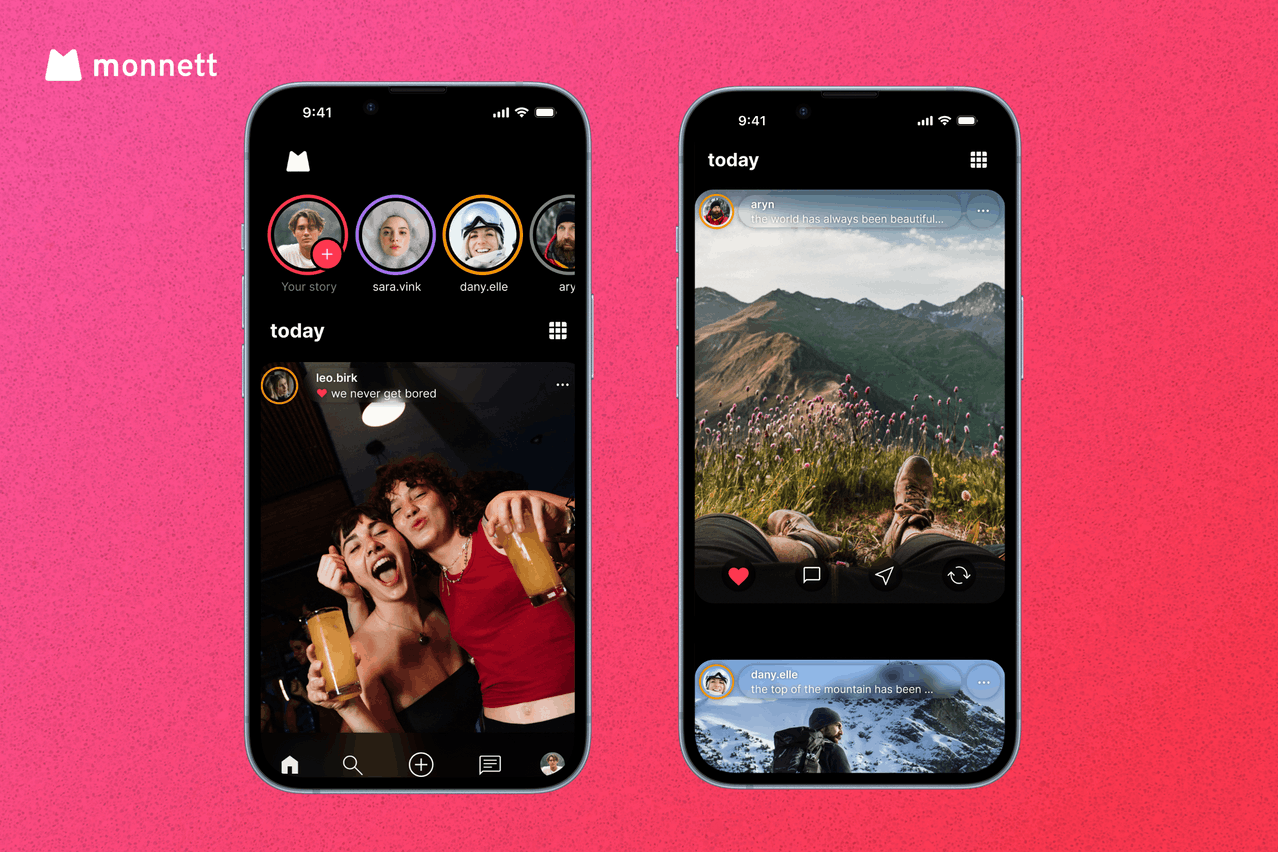
What is Monnet like, launched in Luxembourg by Christos Floros? (Illustration: Monnet)
Which is why we now need alternatives.
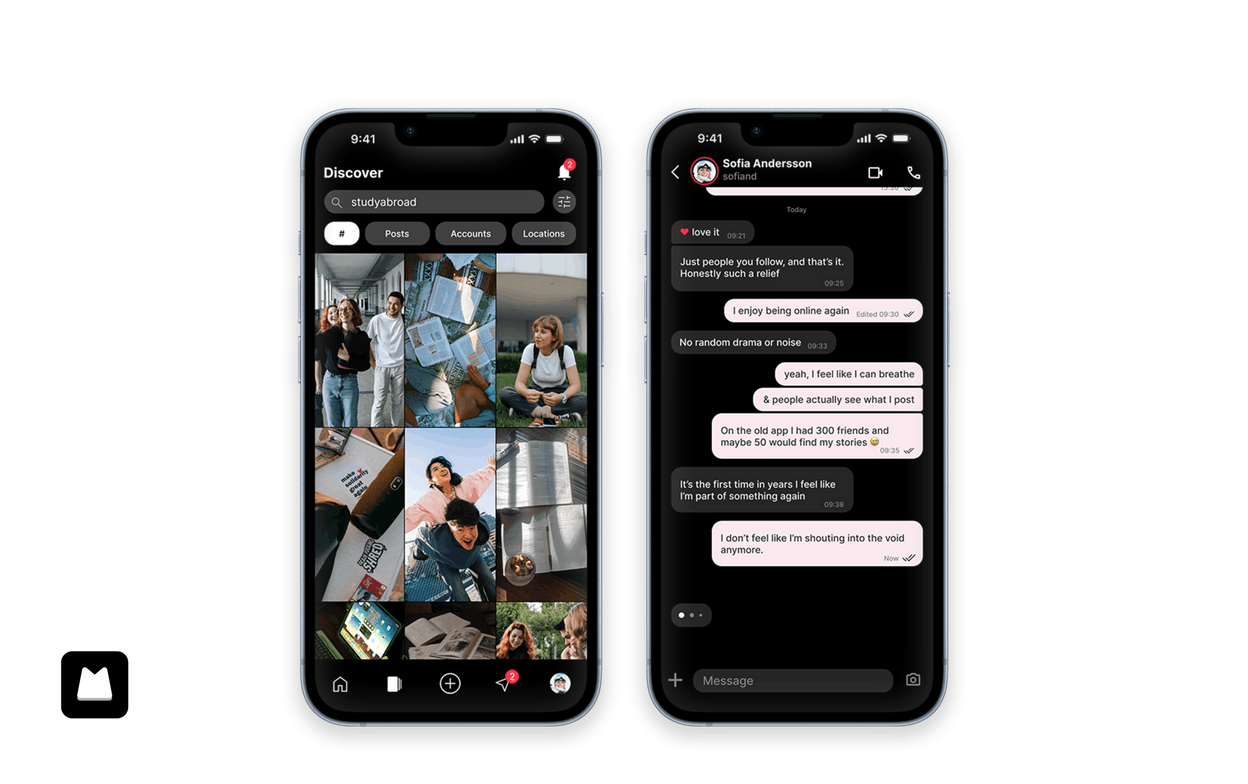
A new generation of platforms is emerging—particularly in Europe—built on different premises. Think of Monnet, launched in Luxembourg by Christos Floros, positioning itself as “made for humans,” or W Social, founded by Anna Zeiter, as an alternative to legacy microblogging platforms.
They may not yet have scale. Your friends may not be there. They may even fail.
But that is not the point — at least not entirely.
Choosing where and how we connect is no longer a neutral decision. It is a civic one. Supporting platforms that align with healthier information ecosystems is not only beneficial for individual mental health—it contributes to rebuilding the conditions for informed public discourse, fair competition in media, and ultimately, democratic resilience.
This is precisely the space where initiatives such as the Mike Koedinger Foundation* seek to act: strengthening media integrity, fostering critical thinking, and equipping citizens to navigate increasingly complex information environments.
We should not underestimate the leverage we have.
Change will not come from regulation alone, nor from platforms themselves. It will come from collective behaviour—from millions of individual decisions, gradually shifting the centre of gravity.
This is a moment.
It is imperfect. It is uncertain. It may not succeed.
But it is ours.
And the question, ultimately, is simple: do you remember your first time—and what it felt like to trust the system you were entering?
*Mike Koedinger: founder and CEO of Paperjam; president of the European Magazine Media Association; future president of the Mike Koedinger Foundation (currently being established, pending the Grand Ducal decree, and scheduled to launch on 25 June 2026).