(To our readers: this article was updated on Tuesday evening at 8 p.m. to restate the position advocated by the Chamber of Commerce, including its three cumulative conditions.)
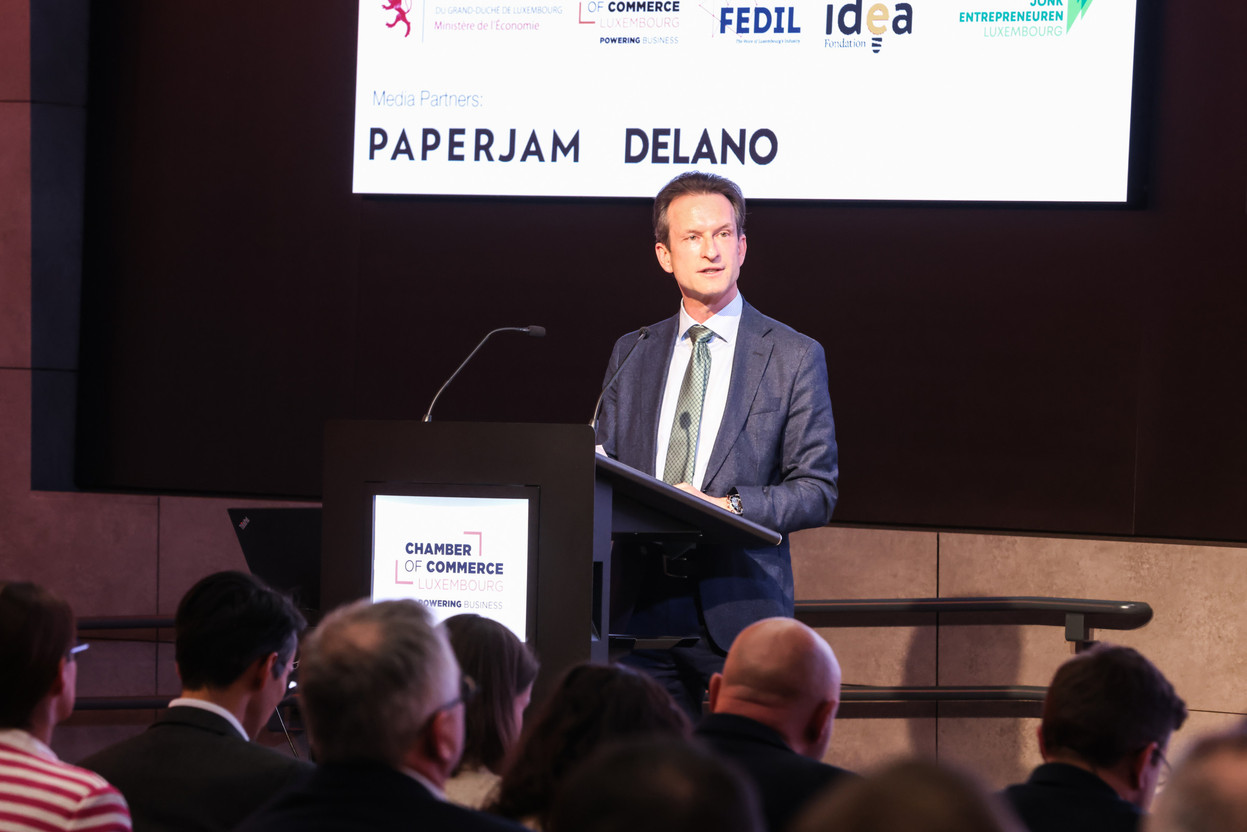
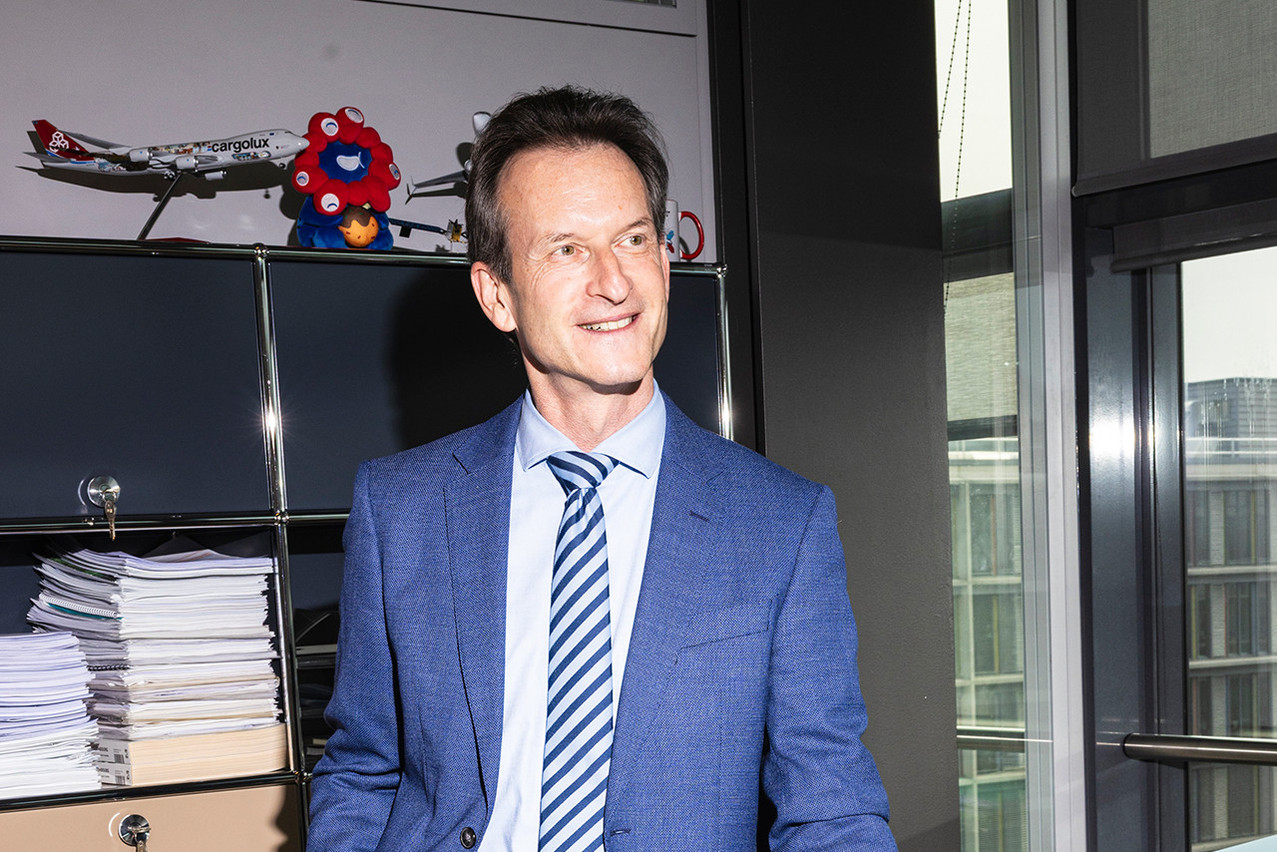
At the end of November, the Belgian federal government presented its new budget agreement, which includes a key measure: the revision of the automatic indexation mechanism for wages and benefits. This will be limited twice, in 2026 and 2028, with a ceiling set at €4,000 gross for wages and €2,000 gross for benefits. The only country in the world, along with Belgium, to apply this type of indexation, Luxembourg has not yet reached this stage, but the idea has not escaped the Chamber of Commerce’s director general, 
In the Second Quarter 2025 Economy Barometer presented this Tuesday 9 December, the Chamber of Commerce details that among the major challenges anticipated by the 757 businesses surveyed (36% of respondents), the cost of labour comes first (for 59% of them), followed by the lack of skilled labour (55%). “Labour costs are a major competitive disadvantage for the country,” says Christel Chatelain, Director of Economic Affairs. “There is a decoupling between the rise in labour costs and productivity when these two curves should be close.”
“Unpopular”
Who is to blame? “Indexation, in particular, which pushes up wages, but an exporting company, for example, cannot pass on these increases to its customers, so productivity cannot keep up,” replies Carlo Thelen, who has been campaigning for many years to make “this system more digestible for companies. It’s not right that everyone should receive this indexation, it’s not social. We could have expected more ambitious or more incisive measures to bolster Luxembourg’s competitive position.”
Such as abolishing indexation? “And why not?” replies the general manager of the Chamber of Commerce with a smile. “There’s also the issue of pensions, where we made a lot of proposals for a reform along the lines of the 2012 reform to strengthen the system over the long term, but we weren’t listened to. Healthcare will also be a very big project, with exponential costs likely to fall on us as the population ages. We undoubtedly need to start doing things now that are not popular, but have the courage to do them, explaining clearly to the population that there is no solution and that the longer we wait, the more it will hurt, as in Spain for example,” adds Carlo Thelen.
“Small measures”
“The Chamber of Commerce wants reform and innovation”, we headlined last year, at the institution’s traditional end-of-year press conference. One year on, what is the assessment of the government’s actions? “There are still a lot of measures that have been taken, in terms of AI, on which we are supporting the government, in terms of taxation, industrial diversification”, replies Carlo Thelen.
But the Chamber of Commerce regrets that the government has not launched more “structural” measures. We’ve taken a few small steps, but they won’t save the system. And that’s a bit of a shame, because we could still have taken action now with measures that were a bit more incisive. We’ve just gained two or three years, I’d say.”
What can be done to boost the country’s productivity? “More than ever, we need to give our businesses visibility and predictability, reduce labour costs and put an end to over-regulation.We need to put the competitiveness of the economy and the profitability of businesses back at the heart of public action.”
No confidence in the country’s economy
The overall score of the Economy Barometer for the 2nd half of 2025 reaches 51,8 out of 100, a level that confirms the absence of recovery. The responses from the 757 responding businesses with at least six employees show that business leaders’ confidence in the future of the Luxembourg economy continues to erode and is no longer at the levels seen before 2020: only 67% of them say they are confident or very confident, compared with almost 90% five years ago. “A notable fact is that businesses remain significantly more optimistic about their own future (72%) than about that of the national economy. This dissociation has become structural since the energy crisis: it reflects a still assertive capacity for internal resilience, but also a clear awareness of the fragility of the general environment and the country’s structural weaknesses,” adds the Chamber of Commerce document.
“This shows that they are perhaps more confident in their ability to change things than in that of the government. There is a certain amount of frustration in certain sectors with simplification that is making no headway. I don’t think that businesses want aid or subsidies. I think they want to be left to work and to generate their own turnover”, adds Carlo Thelen.