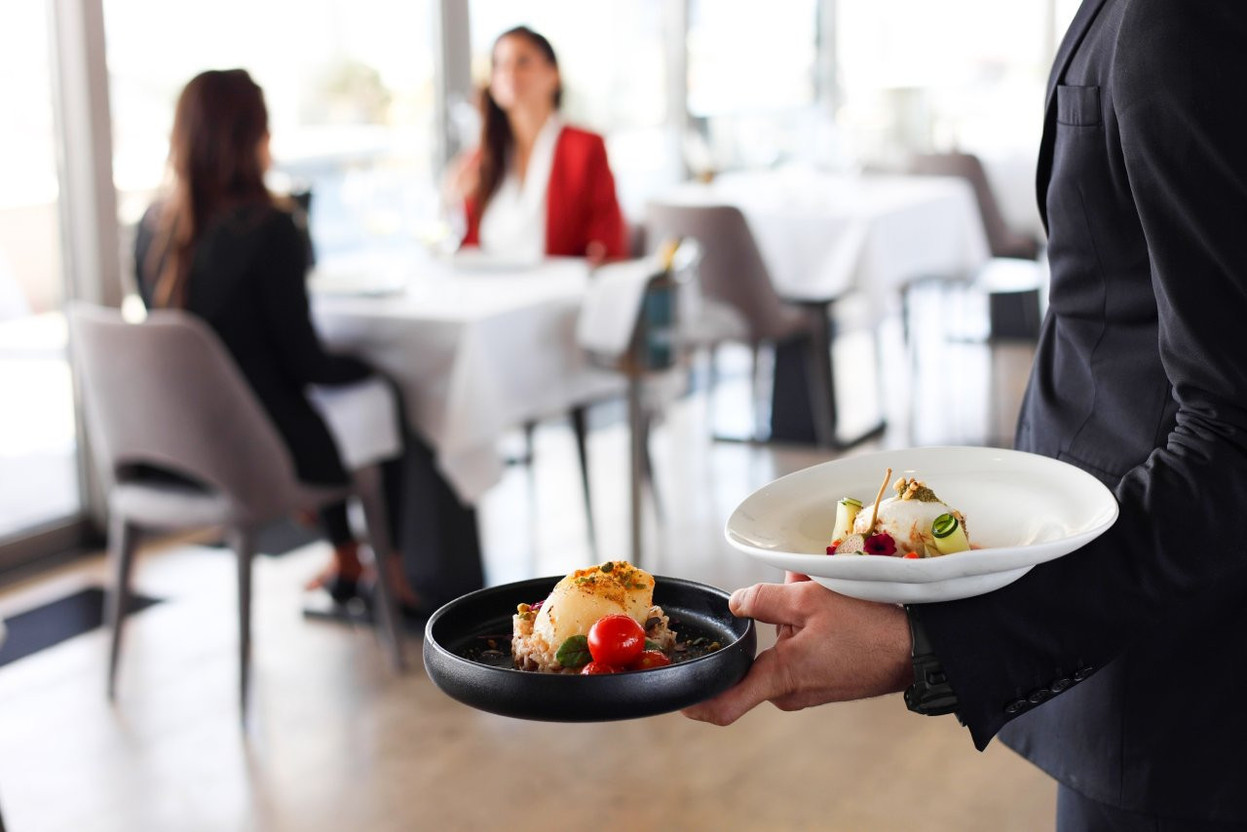
Saturday evening. Crowded brasserie. Hustle and bustle between clinking glasses and waiters navigating between tables. For most of the customers, the atmosphere is festive. Harmless. But for a customer who is sensitive to noise or has an invisible disability, the experience can quickly turn into a real ordeal. That’s where the hospitality sector can make a difference.
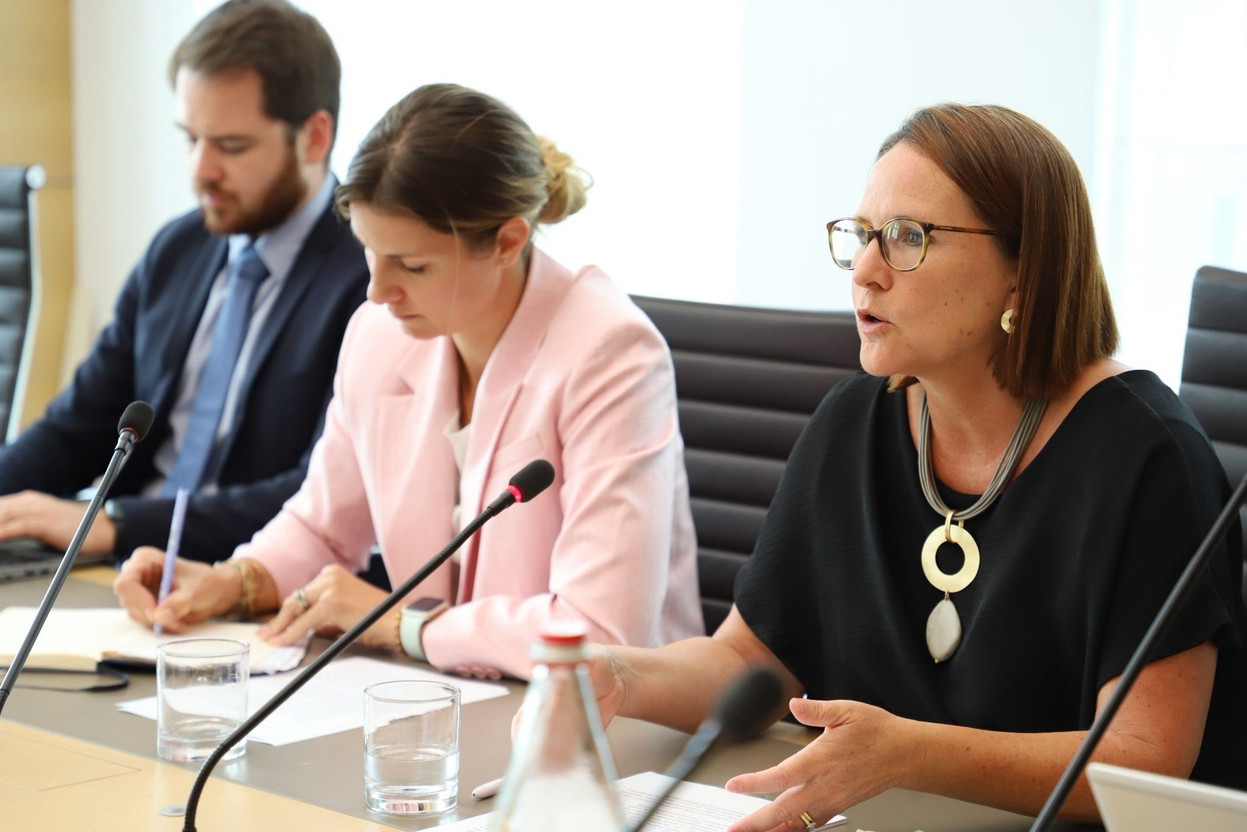
With the “Bewosst” project - which means “aware” in Luxembourgish -, the Minister for the Family, Solidarity, du Vivre ensemble et de l’Accueil, 
The Horesca on the front line
“We are at the heart of social life. By sharing a meal or a drink, people enjoy a convivial moment. As professionals in the sector, we want to guarantee a good welcome to everyone and make sure that everyone feels welcome”, said the Horesca’s General Secretary, 
Raising awareness to remove barriers
For Max Hahn (DP), inclusion goes beyond physical facilities. “The accessibility of places open to the public and of certain products and services are important steps. But inclusion must also tackle mental barriers and lack of understanding”, he stresses.
The choice of the name “Bewosst” therefore reflects this ambition: to raise awareness, the first step towards more profound change.
A challenge for society
A reminder of the figures gives the measure of the challenge: at the time of the last census, in 2021, 15% of residents in Luxembourg said they were living with a disability. And 80% of these disabilities are invisible. “Their prevalence increases with age. Sooner or later, we can all be affected. So we need to step up our efforts in terms of information and awareness-raising to increase understanding among the population, which is essential if we are to be more inclusive in our daily lives. That’s why this project is very important to us,” says 
Workshops, videos and conferences
To provide key information to those working in the field, Info-Handicap has developed workshops focusing on five types of disability: physical, visual, hearing, intellectual and invisible.
Instructional videos complete the package, promoting the right reflexes to adopt. This includes some useful sign language gestures in the dining room. The initiative will culminate in a conference on 22 September devoted to accessibility, inclusive service and “silent hours”.
Another key aspect of the project, the “silent hours” initiative, run in collaboration with the Luxembourg Confederation, will be extended to cafés and restaurants from 3 December, the International Day of Persons with Disabilities. Similar to what is already being done in some shops. The aim is to provide a more peaceful environment for people who are sensitive to sensory stimuli, for instance with reduced sound levels, dimmed lighting, limited loudspeaker announcements, etc.
An appeal to restaurant owners
In addition to concrete measures, Max Hahn stresses the role of the professionals themselves: “By breaking down mental barriers, we are paving the way for a society where everyone can participate fully. And perhaps a restaurant owner, better informed, will be prepared to take on a person with a disability, thereby discovering skills that were perhaps unsuspected.”
This article was originally published in French.