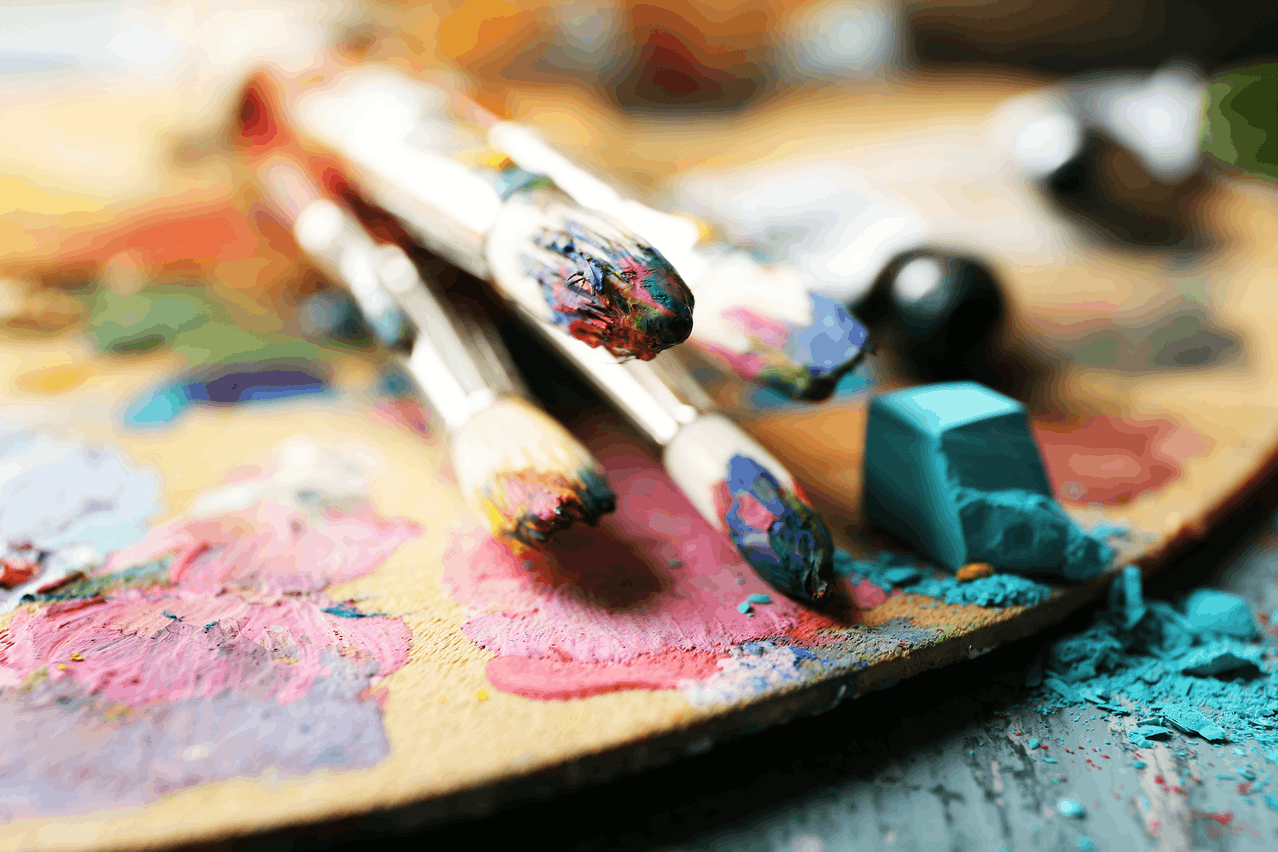
"If you could say it in words, there would be no reason to paint." E. Hopper
When you think of Art with a capital A, Picasso, Giacometti, Manet, Modigliani, Warhol, Koons, Wool and Fanzhi--they all often spring to mind. Whether you’re an amateur or an aficionado, Art won’t leave you feeling indifferent. Love it or hate it, it’ll always grab your attention. It may sometimes seem inaccessible but it always has the ability to move or shock.
But let’s go back to basics: what do we really mean by Art? With such a wide range of disciplines from painting and drawing to design, ceramics and sculpture--and not forgetting collector’s fields like books, vehicles and decorative objects--can there really be a one-size-fits-all definition of Art? Art is about human activity, creating objects or specific staging; it has the power to inspire and uplift, transcend emotions and stimulate our intellect.
Although the market may appear to have become “glamourised”, as it’s often perceived that with purchasing power comes a step on the social ladder, art still remains for all. It’s a powerful medium of communication. When buying art, it’s like buying the genius of the artist. The term “art market” truly entered the public’s imagination in the 80s, and with it came the idea of art as a commodity. Auction houses like Christie’s, Artcurial, and Drouot started to look like the Cannes Festival, with their renowned electric atmospheres attracting women who looked like they’d just stepped off the red carpet, men in dinner suits, a master of ceremonies for an auctioneer and not to mention the (not always justified) sky-high prices. Today, art sales worldwide are worth more than 60 billion dollars, with an average sale price of 8,000 dollars (source: TEFAF Art Market Report 2015).
There are several specialist art fairs, such as the TEFAF (The European Fine Art Fair), which are major events in the art world calendar. Considered one of the world’s largest fairs, it showcases more than 250 galleries with 70,000 visitors over 10 days. And it may also come as a surprise, but there exists a special insurance branch entirely dedicated to art. AXA Art is the world’s leading insurer of art and collector’s items. With a presence in both North and South America, as well as Europe and Asia, AXA Art insures more than one billion* in capital worldwide (*source: AXA Art November 2016). And AXA Art will be at this years’ TEFAF from 10th to 19th March in Maastricht, at stand 800.
With more than 50 years of experience, AXA Art is the only insurance company that has art experts and historians on hand, accounting for a personal service covering all aspects--from transport and specialist packing, to presentation, restorations and regular valuations. “Everybody knows that an art collection is priceless. It’s not just about commercial value, it’s the story behind a piece and the emotions we attach to something that gives it it’s worth,” explains Kai Kuklinski, CEO of the AXA Art group. “We care deeply about protecting the things our clients are passionate about – be it jewellery, real estate, vintage cars, fine wines or any other collection of personal value. We take the time to analyse each clients’ situation, understanding their expectations, so that we can make a personalised offer.”
And it’s not just the private market who is looking to insure. A third of clients also comes from the professional world like galleries, antiquarians, auction houses, restorers, and also public and private institutions, and private collections.
Want to know more? Head to www.axa-art.com