Dai-ichi Life Holdings announced on Friday 30 May 2025 that it would acquire an approximate 15% stake in M&G PLC as part of a long-term strategic partnership that is expected to generate a minimum of $6bn in new business flows into funds managed by M&G over the next five years. The partnership, as outlined in an implementation agreement between the two firms, aims to expand both companies’ presence in asset management and life insurance markets across Europe and Asia.
Dai-ichi Life is one of the oldest mutual insurance companies in Japan, founded in 1902. It became a stock company in 2010 and established Dai-ichi Life Holdings in 2016. The group operates globally, with key subsidiaries in the US, Australia and Asia. It is one of Japan’s largest insurers and is listed on the Tokyo Stock Exchange.
According to the press statement, M&G would become Dai-ichi Life HD’s preferred asset management partner in Europe. The partnership focused on joint growth, product development and distribution efforts, with a particular emphasis on capturing new business opportunities in European private markets and expanding M&G’s access to clients in Japan and across Asia.
M&G stated it expected the partnership to enhance long-term new business flows and support growth in adjusted operating profit. Dai-ichi Life HD, in turn, aimed to utilise M&G’s public and private market capabilities to meet its own investment needs and those of its customers. The Japanese insurer also sought to strengthen its position in bulk purchase annuities through cooperation with M&G.
Asset flows and business development
The strategic partnership was projected to result in at least $6bn in new business flows into M&G funds over five years. Of this total, a minimum of $3bn was intended to be directed into M&G’s high-alpha strategies across both public and private markets.
The other half of the $6bn was expected to be sourced from Dai-ichi Life HD’s own balance sheet on an evergreen basis, with the remaining half arising from joint development opportunities, including the distribution of M&G products by Dai-ichi Life HD.
In return, the partnership was also expected to generate at least $2bn in new business flows for Dai-ichi Life HD over the same five-year period. These flows were anticipated to result from balance sheet investments in, or distribution of, products managed by Dai-ichi Life HD’s subsidiaries, as well as the sale of jointly developed products.
Shareholding and governance
Dai-ichi Life HD confirmed its intention to acquire the approximate 15% shareholding in M&G via on-market purchases, with no change to M&G’s issued share capital. Subject to regulatory approvals and other conditions, Dai-ichi Life HD would have the right to appoint a director to M&G’s board as long as it maintained at least a 15% stake.
The implementation agreement imposed customary restrictions. These included a two-year lock-up period following the 15% threshold being reached, a standstill restriction preventing Dai-ichi Life HD from increasing its holding beyond 19.99% of M&G’s issued share capital, and an orderly market arrangement for any future disposals of M&G shares. Dai-ichi Life HD would also have certain information rights in connection with its shareholding. The acquisition of the shareholding, subject to Japanese accounting treatment, was expected to classify M&G as an affiliate of Dai-ichi Life HD.
The agreement also included provisions allowing for termination if the companies were no longer strategically aligned, which would result in the loss of Dai-ichi Life HD’s director nomination and information rights.
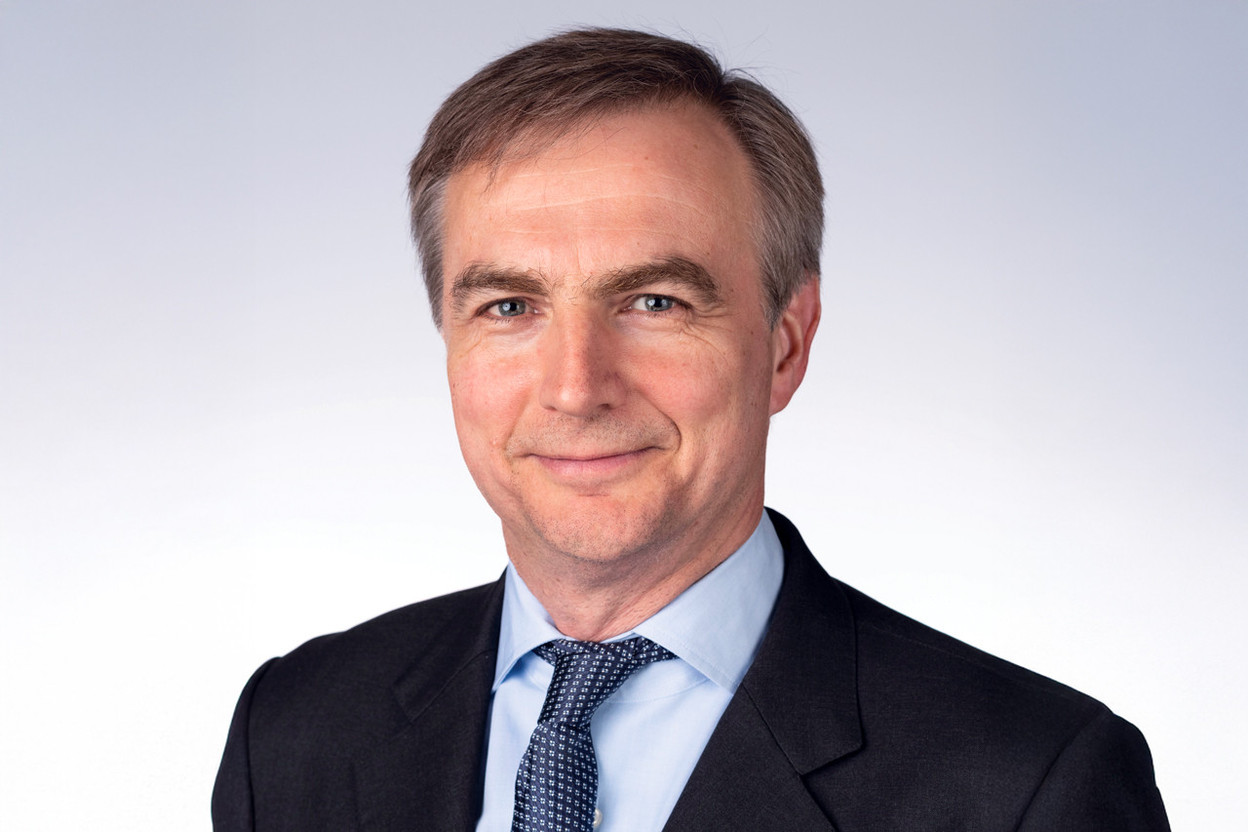
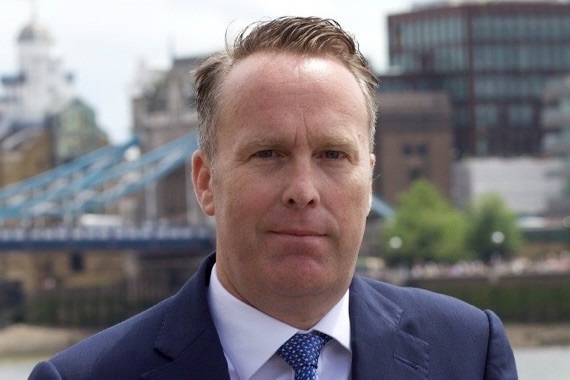
Tetsuya Kikuta, president and CEO of Dai-ichi Life HD, said the partnership would support the company’s strategy to grow its presence across Europe and the UK. He emphasised that the alliance would allow Dai-ichi Life HD to leverage M&G’s life insurance and asset management expertise. Group CEO of M&G Andrea Rossi described the strategic partnership and shareholding as recognition of M&G’s strategy and long-term prospects. He added that the collaboration brought together two internationally complementary firms with shared ambitions and would enhance M&G’s position in European private markets whilst broadening access to the Japanese and Asian markets.