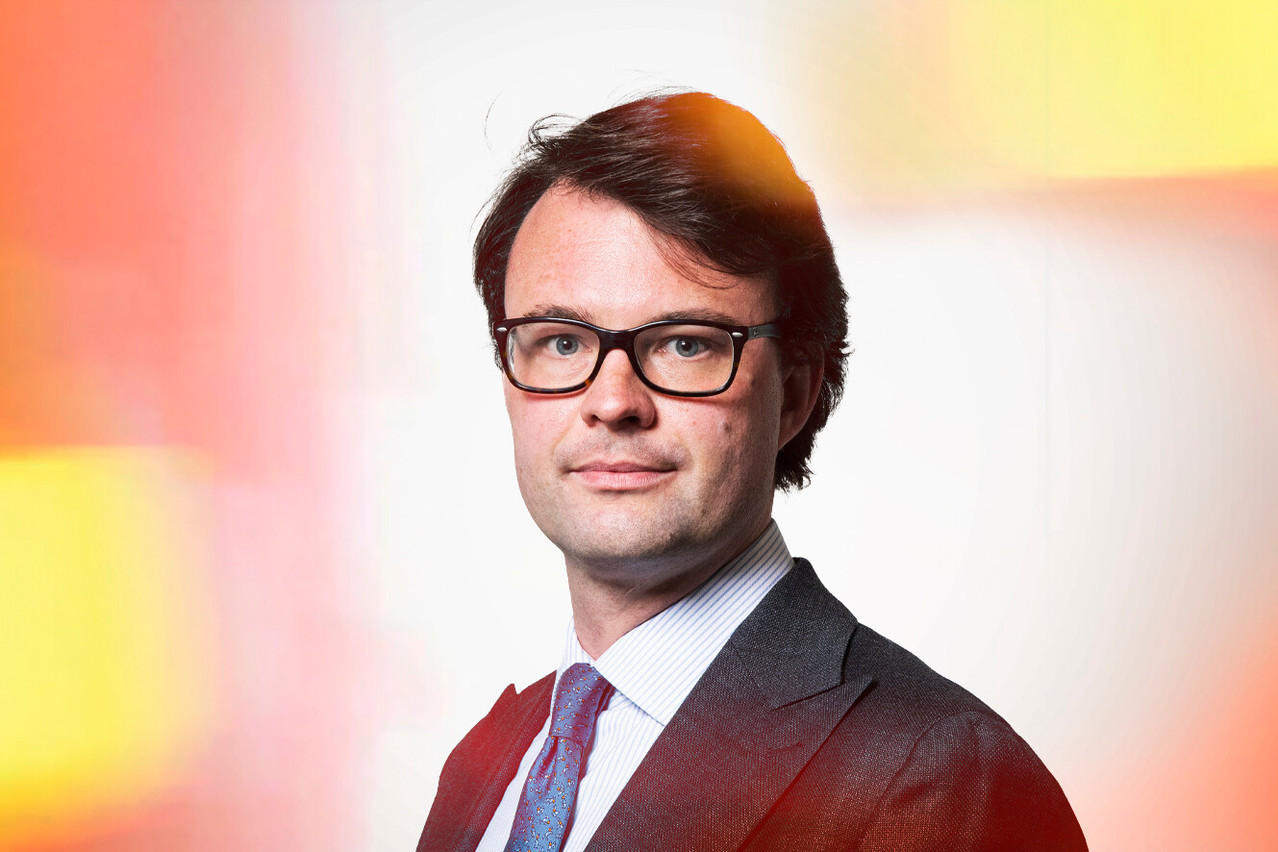
“Luxembourg is often seen as a hub for cross-border fund structuring, but data points to a highly active and resilient domestic M&A market focused on operational companies,” said Justin Morel, partner at Deloitte, in an interview on 29 April 2026. The comments followed the M&A Conference 2026, an event restricted to LPEA members.
Stable deal flow sets Luxembourg apart
Morel noted that Luxembourg’s transaction volumes have shown significant stability in recent years, contrasting with the volatility seen in neighbouring markets like France and the UK. Following a post-pandemic peak of 147 transactions in 2022, the market has maintained a steady 120–125 deals annually from 2023 to 2025.
These transactions generally fall into three categories: deals between Luxembourg entities, foreign investors acquiring local operational firms (e.g. Cinven acquiring Alter Domus), and Luxembourg companies expanding abroad. Intra-Luxembourg deals represent only a small minority of the total volume. The market is instead driven by a balance of inbound and outbound investment, which together account for more than 100 transactions annually.
Fund services consolidation accelerates
Activity is heavily concentrated within the professional and financial services sectors, which serve as the primary engines for importing and exporting capital. Morel highlighted the “corporate and fund services” segment as a standout performer, noting that its level of activity has made it a “national sport” locally. He added that “all the panels during the LPEA/Deloitte M&A event discussed cases related to that sector.”
This sector, led by key players such as Alter Domus, Apex, and Centralis, has seen strong acceleration. Transaction volumes in the segment in 2025 alone exceeded the combined totals of 2023 and 2024. “The momentum has continued in 2026,” he noted.
This growth is propelled by six key forces:
1. Strong growth in Luxembourg’s alternative investment market (averaging 11%)
2. Stable, recurring, and predictable revenue streams.
3. High margins allow for significant cashflow conversion.
4. A still-healthy—though narrowing—pipeline of consolidation targets.
5. Private equity (PE) involvement is high, with over 40 firms currently PE-backed.
6. Valuation arbitrage opportunities through multiple expansion.
Value creation depends on integration
PE firms are particularly influential, frequently employing “buy-and-build” strategies to foster consolidation, geographic expansion, and vertical integration. The latter involves adding new capabilities, such as management companies or fund administration services, often through targeted M&A. While the number of available targets may eventually decrease as consolidation progresses, the other five driving forces are expected to remain stable for the foreseeable future.
However, Morel emphasised that the success of these operations depends heavily on post-merger integration. Research suggests that between 60% and 90% of M&A transactions fail to meet their value creation goals due to poor integration. Successful acquirers are those who focus on cultural impacts and dedicate sufficient time to delivering the original investment case.
Luxembourg attracts capital in turmoil
Despite global geopolitical and macroeconomic uncertainties, Morel argued that Luxembourg retains a “counter-cyclical” position. Its inherent stability attracts capital during periods of international tension, and its status as a cross-border hub continues to facilitate high transaction volumes. Furthermore, the significant “dry powder” held by PE firms drives capital deployment into stable geographies, often at a premium.
Macroeconomic and geopolitical uncertainty can hinder long-term transformation programmes by reducing visibility. Rising interest rates and evolving legal and regulatory frameworks also pose risks, potentially affecting deal outcomes in both positive and negative ways.
The outlook for the Luxembourg market remains “bullish.” Projections indicate that the alternative asset pool could double by 2030, provided Luxembourg maintains its current trajectory of increasing its global market share.