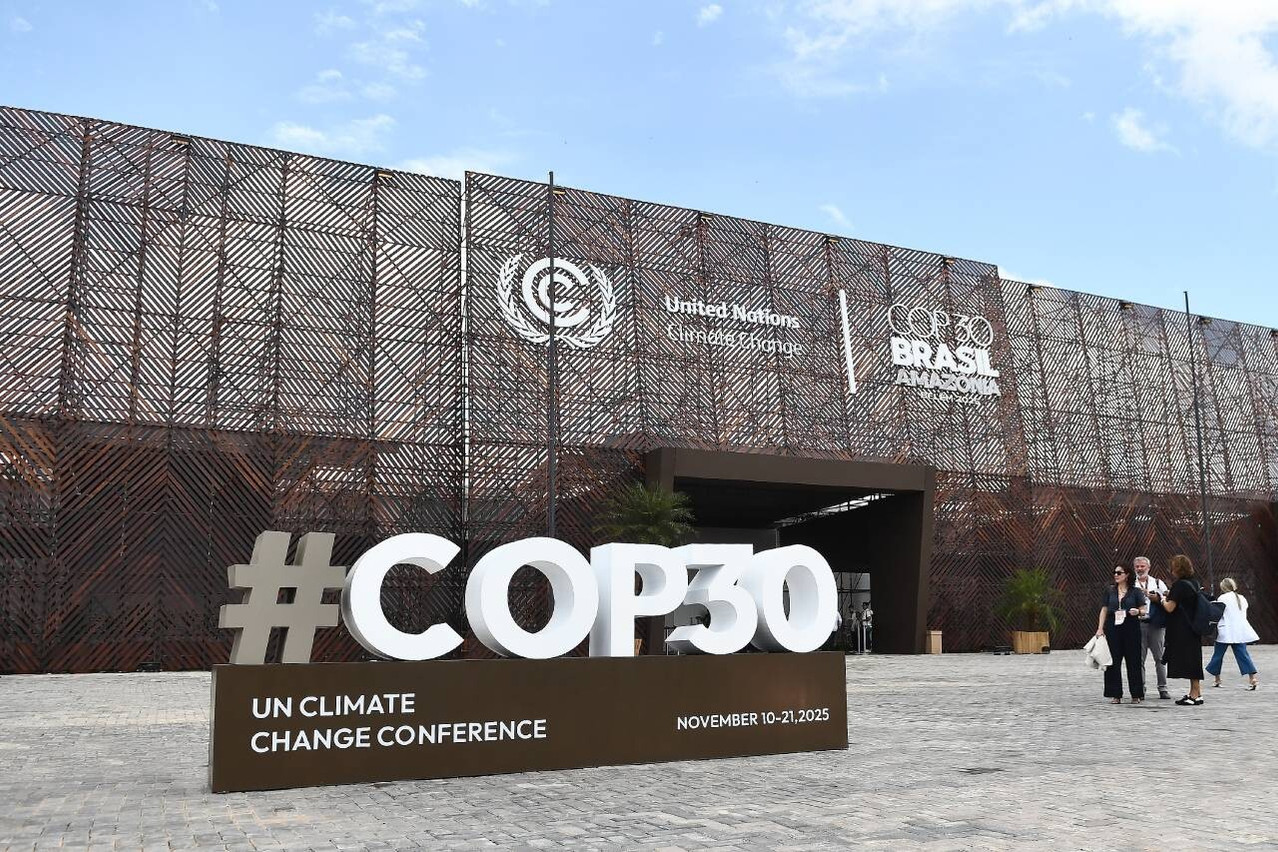
Luxembourg’s national pavilion at COP30, which took place in Belém in November 2025, cost €238,440.73, according to a response from the Minister for the Environment, Climate and Biodiversity, 
Since 2018, the Grand Duchy has systematically shared its costs within a ‘joint pavilion with Belgium, the Netherlands and the European Investment Bank’. The withdrawal of these long-standing partners from this summit in Brazil has led the government to cover the full cost of this diplomatic showcase on its own for the first time in seven years.
The expenditure was divided between €87,609.01 for venue hire and €150,831.72 for technical design, logistics and dedicated communications. The ministry awarded this second contract to a Luxembourg-based company via a “negotiated procedure”, a method that allows for direct dealings with a selected service provider. This financial decision was intended to “strengthen Luxembourg’s position” despite the “significant logistical constraints associated with the conference venue”. The investment secured the country an independent platform to “promote its ambitious approach to climate action”.
The venue welcomed over 3,500 visitors and hosted 26 themed events during the fortnight-long Brazilian event. These meetings brought together around 800 participants, including “scientists, experts, innovators and policy-makers” as well as youth delegates. This exclusive presence ensured direct visibility for Luxembourg’s environmental solutions without having to rely on a schedule shared with other nations.