“An apple a day keeps the doctor away”, as the saying goes. In Luxembourg, a European study has shaken up this image, particularly when it comes to conventionally-farmed apples and their consumption by young children. Published by the Pesticide Action Network Europe (PAN Europe) on Thursday 29 January, the analysis denounces the presence of pesticide residues in apples sold in Europe and places Luxembourg samples among those that accumulate the most substances.
According to the study, 93% of the 59 samples analysed in thirteen European countries contained at least one quantifiable pesticide residue. In 85% of cases, several substances appeared simultaneously, forming what the report describes as “pesticide cocktails”. Three samples come from Luxembourg. They show an average of five residues per apple, compared with an average of three in the European sample as a whole. The report describes Luxembourg and the Czech Republic as the countries with the “most colourful cocktail”, with up to seven residues in a single sample.
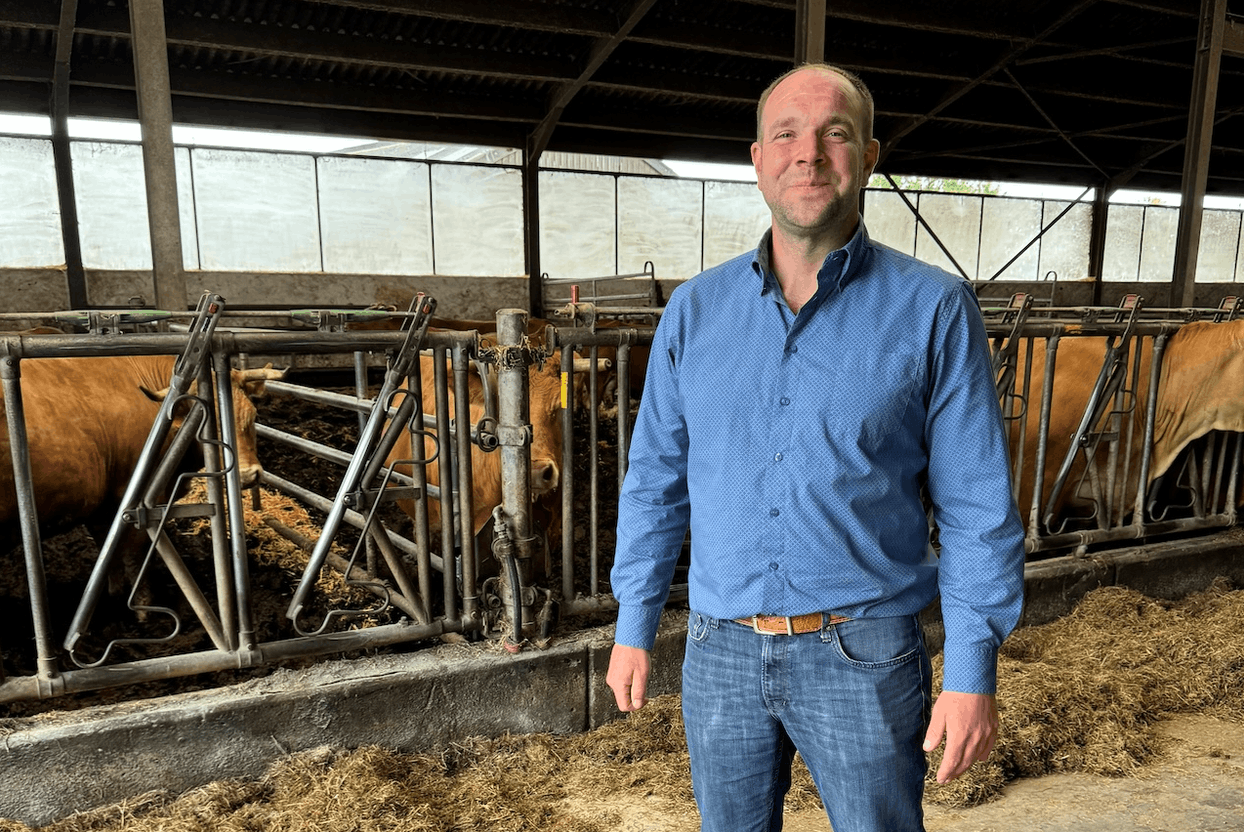
For the president of the Ecological Movement, 
A European study with limited scope
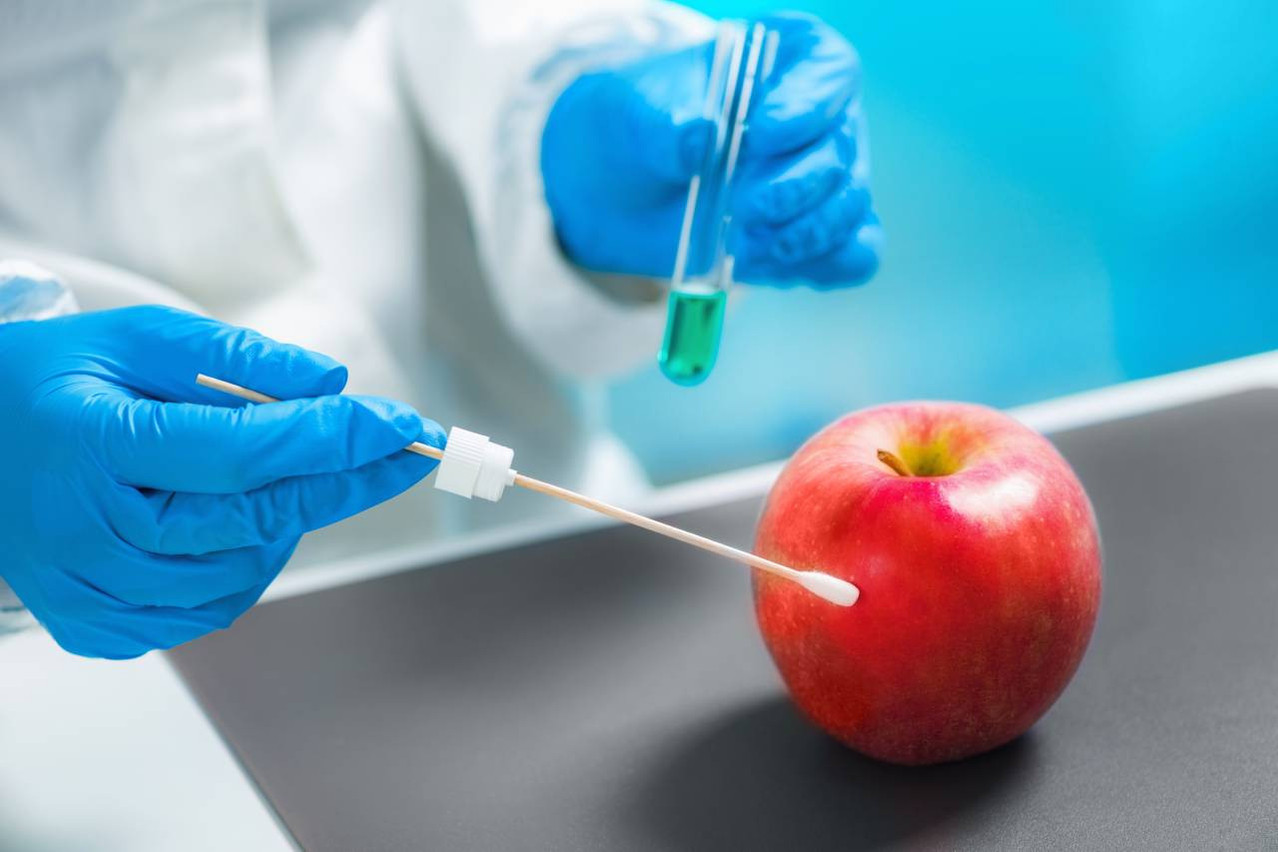
The study is based on 59 samples of apples grown exclusively in conventional agriculture, purchased between 1 and 20 September 2025 in supermarkets, local markets and farm shops. Each sample contains several apples, weighing a minimum of 500 grams. The varieties most represented were Gala, Golden Delicious, Elstar and Jonagold.
The analyses were carried out in the same accredited laboratory in Germany. The authors include only residues measured above the limit of quantification, excluding traces that cannot be quantified. The report lists a total of 58 different substances and distinguishes several categories monitored at European level, including PFAS pesticides, “candidates for substitution” and pesticides classified as neurotoxic in work by the European Food Safety Authority.
PAN Europe specifies that the sampling is not intended to be representative of the entire market, but is intended to illustrate a situation repeatedly observed in different countries.
Luxembourg at the top of the table
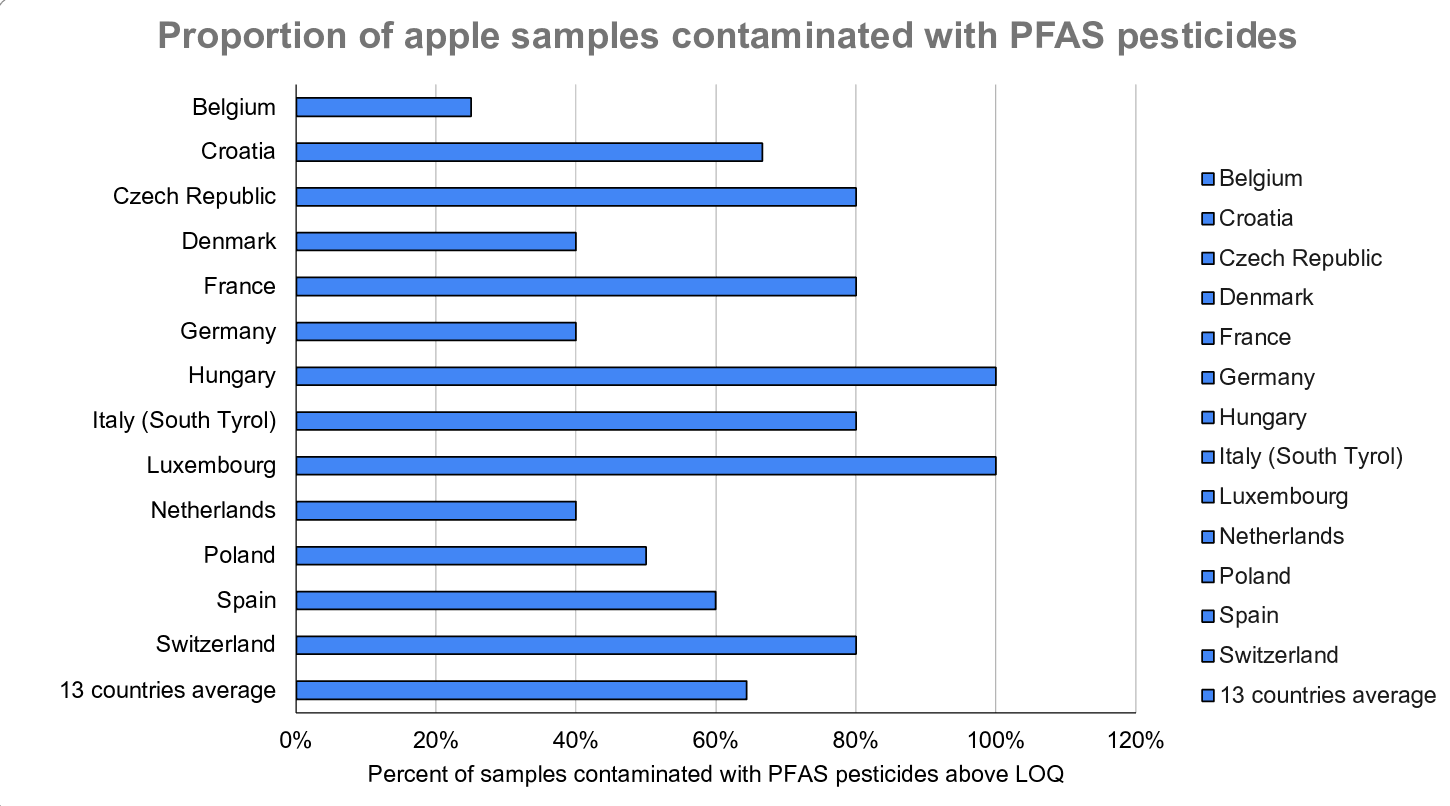
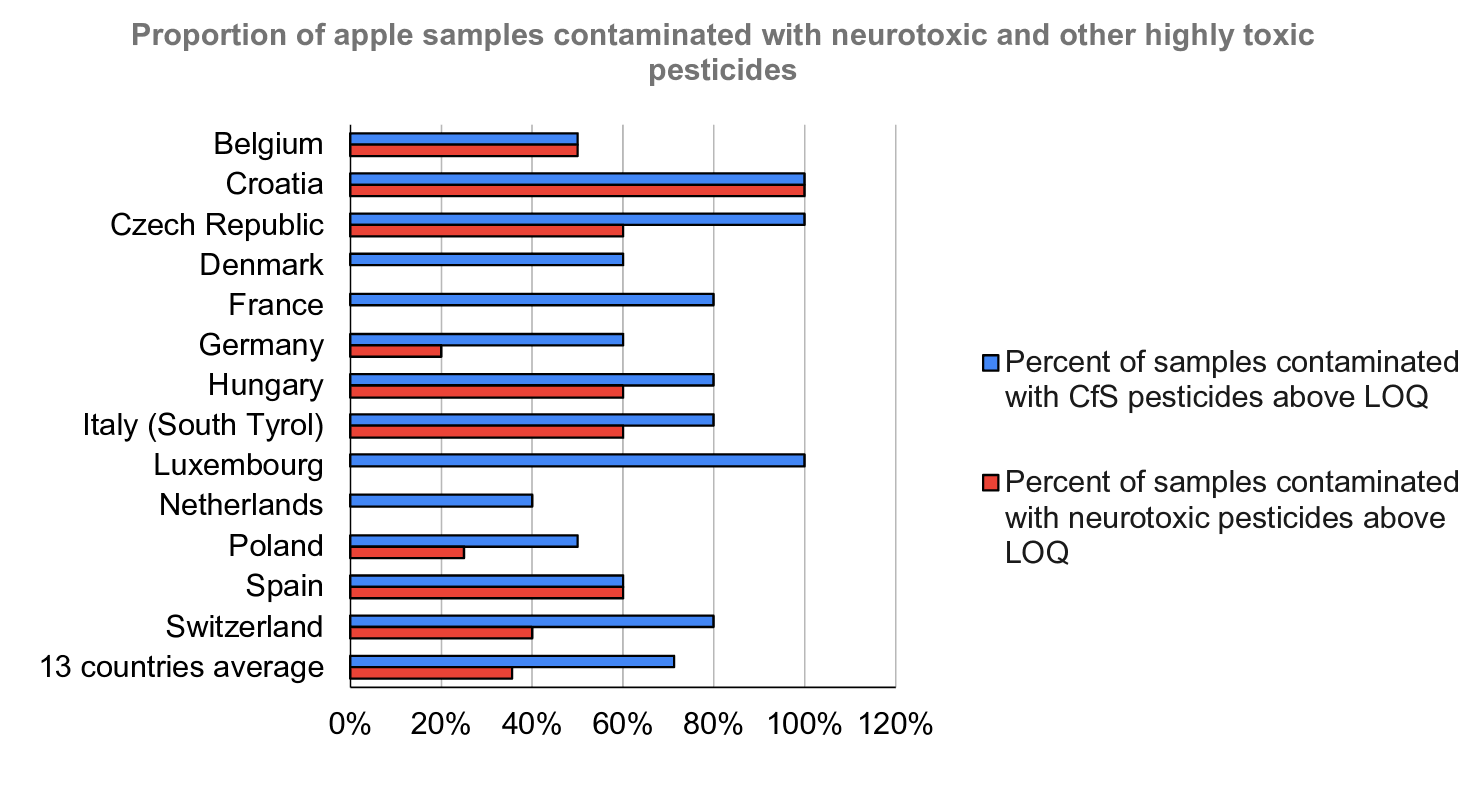
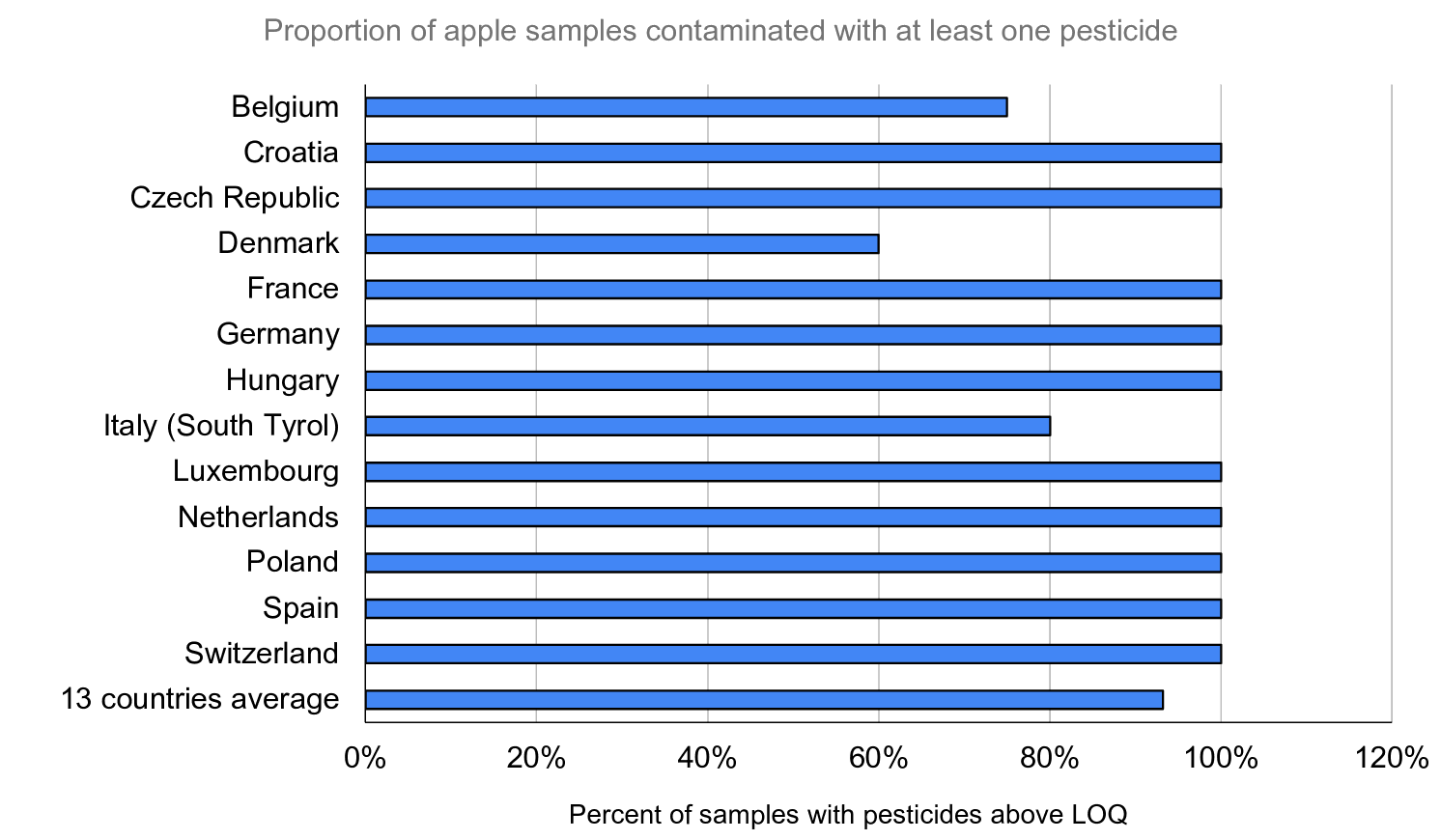
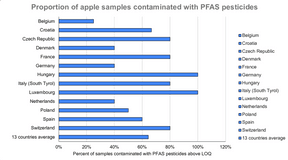
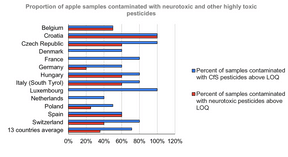
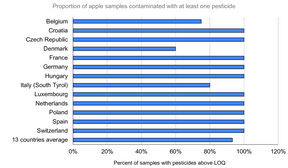
In the three Luxembourg samples, the study detected ten different pesticides above the quantification threshold, exclusively fungicides and insecticides. The report mentions repeated use of treatments against fungal diseases, leading to the simultaneous presence of several substances in the same fruit.
In its analysis, PAN Europe also highlights “Candidates for Substitution”, a category defined at European level for substances deemed to be of particular concern and intended to be replaced when alternatives exist. According to the study, 71% of the samples analysed contained at least one pesticide classified in this category. In the Luxembourg samples in the study, PAN Europe indicates that all contain at least one “candidate for substitution” (see graph 3).
The debate on pesticide “cocktails”
One of the central points of the report concerns exposure to several substances at the same time. European regulations set maximum residue limits for each pesticide individually, with no specific threshold for their accumulation in the same food.
For Blanche Weber, this approach does not reflect the reality of exposure. “At the moment, there are standards for each pesticide on its own,” she says. “But if we counted them together, there is no limit.” She also mentions possible interactions between substances. “There is an interaction between pesticides, they interact in a harmful way with each other.”
PAN Europe argues, in its report, for greater consideration of these cumulative effects at European level.
The sensitive issue of young children
The study compares the results obtained for fresh apples with the rules applied to processed foods intended for infants and children under the age of three. For these products, European legislation sets a maximum limit of 0.01mg/kg per pesticide, corresponding to the limit of quantification.
According to PAN Europe, if this threshold were applied to the fresh apples analysed, more than 90% of the samples would exceed this value. Some concentrations measured, according to the report, reach several dozen times this level.
“If these apples were baby food, they would be banned,” says Blanche Weber.
A critique of political inaction: “Enough is enough!”
Blanche Weber places the study within a series of analyses carried out in Luxembourg in recent years, notably on the presence of pesticides in children’s hair or in household dust. “We’ve been publishing these analyses for years,” she says. “The government has been analysing them and holding seminars, but nothing has happened. She sums up her position in one sentence: “Enough is enough!”
The government analyses, it holds seminars, but nothing happens.

The chairwoman of the Ecological Movement blames the Ministry of Health, which she accuses of remaining silent despite official data on children’s exposure. “We never hear the Ministry of Health speak publicly about this situation, or recommend more organic produce to protect children”, she asserts.
She also criticises the agriculture ministry, which she feels is still too attached to the conventional model. “The instruments to reduce pesticides and support a transition exist, but the political signal is not clear enough”, she says. She adds that “farmers are not unreasonable”, but that they need “a signal from the government” and concrete support to change their practices.
The Ministry disputes PAN Europe’s reading
The agriculture ministry does not share these conclusions and disputes the methodology as well as the interpretation of the results. It believes that the study is based on “incorrect regulatory comparisons”, by applying to fresh apples standards intended for processed foods intended for infants and young children.
According to the ministry, fresh apples are covered by Regulation (EC) No 396/2005, which sets maximum residue limits for fruit and vegetables. These limits are based on comprehensive toxicological assessments carried out by the European Food Safety Authority, valid for the entire population, including children. The ministry also points out that the sample studied by PAN Europe is “very limited and unrepresentative”, which it says does not allow any conclusions to be drawn about national production or the Luxembourg market.
Official controls in Luxembourg
The ministry relies on data from the Luxembourg Veterinary and Food Administration (Alva), which is responsible for official controls. Between 2009 and 2025, 182 apple samples were analysed, including 97 from Luxembourg production.
Over this period, no sample of apples produced in Luxembourg showed residues that did not comply with European standards. Only one non-compliant sample concerned an apple from another EU country. For the ministry, these results show that “Luxembourg apples fully comply with European food safety standards”.
Consumption deemed safe by the authorities
The ministry states that fresh apples, including conventional ones, “can be consumed by young children”. It points out that maximum residue limits are not toxicological thresholds, but reflect regulated agricultural practices. Health risk assessment is based on toxicological reference values defined by EFSA, which take account of vulnerable groups.
Luxembourg apples are safe and can be consumed without risk.

On the basis of the official analyses available, the Ministry states that there is “no health risk associated with the consumption of apples produced in Luxembourg, including for young children”.
Reduction measures highlighted
The agriculture ministry it has been pursuing a policy of reducing the risks associated with plant protection products for several years. It cites tighter controls, the targeted reduction of certain active substances, the promotion of integrated pest management and financial aid programmes aimed at reducing the use of pesticides.
According to its figures, the use of plant protection products has fallen by more than 50% in Luxembourg since 2016. In 2024, 89 hectares out of 198 hectares of fruit-growing areas were farmed without the use of fungicides or insecticides, i.e. almost half of the areas concerned. Finally, the ministry believes that in view of the scientific data available, “it is essential to avoid any unjustified concern among consumers”.