The introduction of looser rules on state aid for businesses in EU member states comes as the cost of energy and raw materials has risen sharply as a direct result of the Russian invasion of Ukraine.
The commission has confirmed that companies facing soaring energy costs can get state aid up to 30% of costs, capped at €2m.
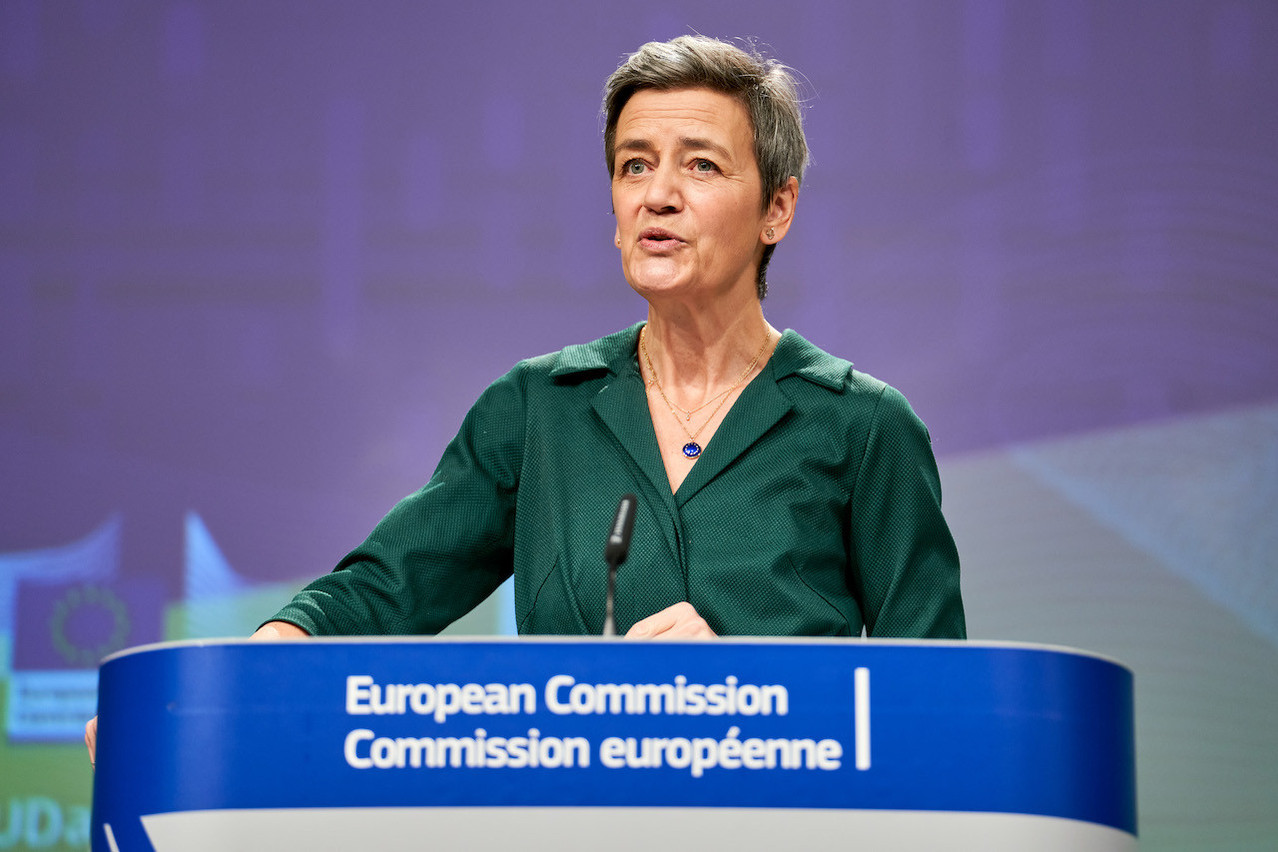
The Temporary Crisis Framework introduced on Wednesday comes amid a “need to mitigate the economic impact of this war and to support severely impacted companies and sectors,” said commission vice-president in charge of competition policy Margrethe Vestager.
“The Temporary Crisis Framework complements the existing state aid toolbox with many other possibilities already available to member states, such as measures providing compensation to companies for damages directly suffered due to exceptional circumstances, and measures outlined in the commission communications on energy market developments,” Vestager said.
Guaranteed loans and grants
In concrete terms, that means member states can grant limited amounts of aid to companies affected by the current crisis or by the related sanctions and countersanctions, ensure that sufficient liquidity remains available to businesses and compensate companies for the additional costs incurred due to exceptionally high gas and electricity prices.
“These types of measures will be available also to companies that qualify as being in difficulty, as they may face acute liquidity needs due to the current circumstances, arriving on the heels of the coronavirus pandemic,” the commissioner added. Indeed, businesses facing a liquidity crunch can get state guarantees on loans or subsidised loans.
Vestager said that member states can, for example, immediately introduce schemes to grant up to €400,000 per company affected by the crisis. Companies in the agriculture, fisheries, aquaculture sectors will also be eligible for up to €35,000 in aid.
“In this critical moment the European Union continues to stand with Ukraine and its people. We must oppose this cruel invasion as it is also our freedom that is at stake,” Vestager said. “The commission will continue to monitor the situation and provide the necessary support to governments and citizens.”
The Temporary Crisis Framework will be in place until 31 December 2022. Sanctioned Russian-controlled entities will be excluded from the scope of these measures.