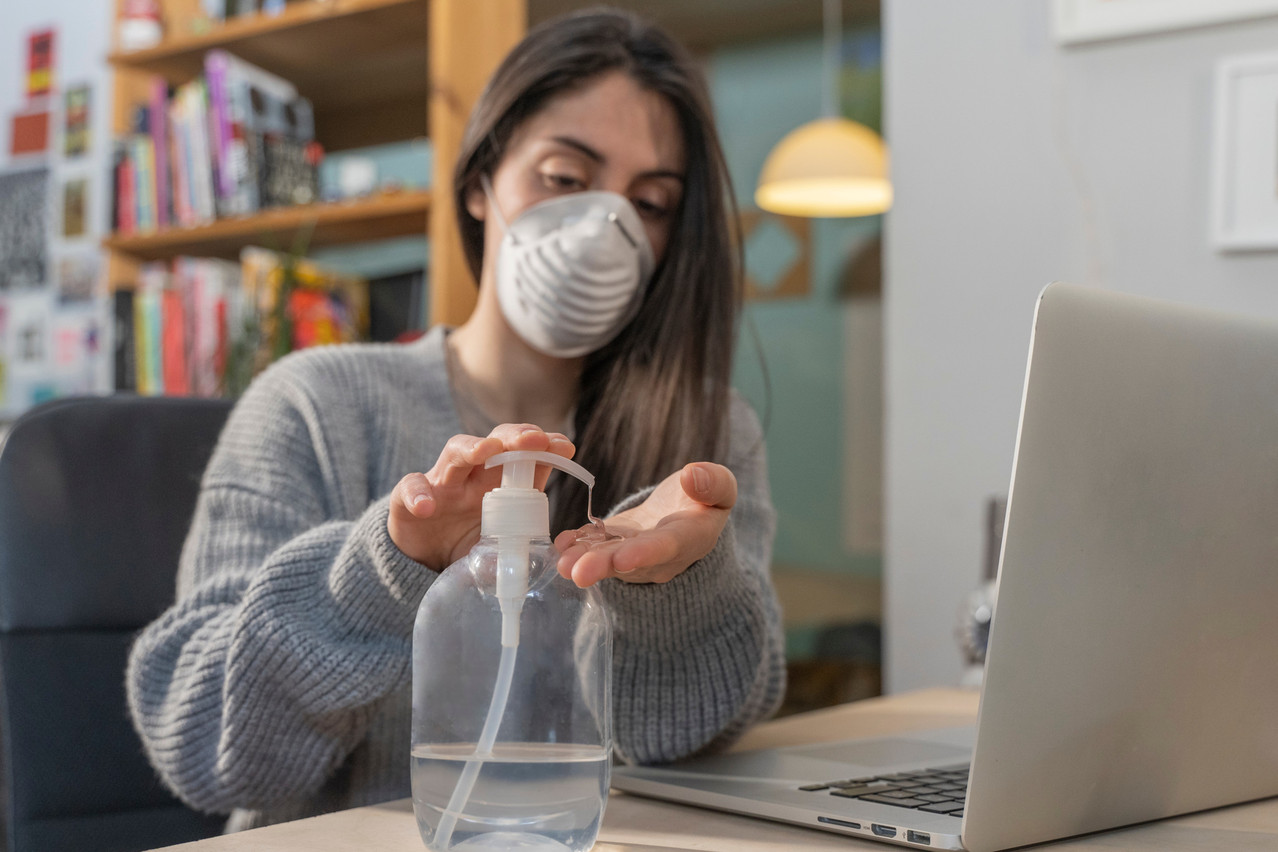
A sentiment of exhaustion resides in all of us as we brace ourselves for almost two years of coronavirus. Contrary to the Wellsian prophecies of Men Like Gods, we have failed to eliminate disease. “By isolation, by the control of carriers”, while “subjecting the population to discipline” has only led us to increasingly frustrated protests. The pandemic’s magnitude has forced the medical field globally to reimagine healthcare, to re-examine current systems and to act imminently given the unprecedented pressure covid-19 has placed on its services.
Earlier this year Luxembourg’s CSSF reviewed their post-pandemic teleworking policies. Yet as 2021 draws to a close, many sectors feel that they have reverted to their 2019-esque working environments. What can we learn from the sector most affected in this pandemic? What from medical frontline is transferrable to other professional sectors?
2020 marked an upheaval in how the workforce in all sectors engaged and interacted with one another. The pandemic thrust healthcare professionals into novel situations, redeployed staff to specialisations in need and healthcare institutions globally were forced to incorporate new technologies that were long overdue. Similarly, across other sectors--generically described as “office based”, working from home became a mandatory reality which the workforce had to adapt to overnight. These professional changes occurred against the backdrop of personal and psychological pressures generated by the pandemic adding another arduous dimension to work-life balance.
Managing a team in flux and developing new skillsets
The rekindling of the team spirit amongst hospital staff has allowed a more supportive, engaged team setting during such testing times. With more professional freedom came an increase in autonomy which, in turn, resulted in the development of various collaborative team styles. Hospital teams managed to navigate this climate of uncertainty to achieve common goals. The pandemic required prompt action and quick decision-making in a rapidly-changing environment. Creative solutions were required to tackle obstacles especially when delivering services or acquiring vaccines. Specialist teams were assembled, trained, and deployed with speed--reminiscent of working in “sprint” cycles.
In units where staff were scarce, many professionals of all levels were relocated to unfamiliar specialties but ultimately shared their willingness to save patients. In the UK, multi-professional teams composed of firefighters, policemen and medical healthcare professionals aided physiotherapists in intensive care unit rehabilitation centres. This not only allowed the service to cope with the number of patients, but it also demonstrated that: online training was effective to train new colleagues, which then rapidly provided additional aid and boosted morale and solidarity.
Battling silos
The efforts maintained from the start of the pandemic proved vital in the second wave when people were weary and exhausted. For some healthcare professionals helping gave them a better understanding of their colleagues’ jobs whilst a new set of unfamiliar skillsets were acquired. Effective knowledge sharing across the profession improved and proved paramount. This dissolved silos between teams and enhanced the visibility of some healthcare workers otherwise left neglected. Senior staff tend to gain more visibility on hospital wards, as is still the case in other hierarchical sectors. The presence of more staff on the wards with increased responsibility provided a platform for more junior members to be seen.
Redeployment and reshaping the context in which professionals work in is not, however, a new concept. BCG advocated for alternative ways to ensure staff thrive without adding layers of processes, hierarchy, and silos half a decade ago. It put forth the concept that leaders must act as enablers for their employees, allowing them to work in a context that ensures they make the correct decisions independently.
Maintaining staff morale and well-being
Despite being the front-line of care for patients afflicted, with no vaccines available at the time, strict measures were taken to ensure isolation and the physical well-being of healthcare staff in the UK when unwell. This meant that some doctors began working remotely for longer periods of time to facilitate a safe but healthy return to work. The mental toll of the pandemic was also not neglected, as high rates of burnout and mental ill-health were documented amongst healthcare professionals. To support their staff, NHS hospital departments provided free refreshment areas and redesigned spaces to include relaxation areas. Furthermore, mental health support hubs were set up across NHS departments in the UK--a free service available to all staff.
Employers owe it to their employees to encourage a flexible hybrid environment, with the choice to work from home and the autonomy over one’s schedule.

Making use of technological advances
Previously frowned-upon medical apps and teleconsultations have increased, and staff--along with patients-- have welcomed these added tools. In some parts of Europe, GPs and surgeons alike were able to use either telephone or digital clinics to risk assess, triage, and offer consultations to patients. In the UK, this rendered services such as ophthalmology and obstetrics more efficient by reducing waiting times while fast-tracking urgent patients rapidly to the appropriate service. Many doctors welcomed this change in a climate of uncertainty, as they felt that their covid safety was respected while they maintained their face-to-face patient interactions to the strictly necessary.
Conversely virtual methods of working have also shown how difficult it is to sustain full-time working from home given the continued strain the pandemic poses. Employers owe it to their employees to encourage a flexible hybrid environment, with the choice to work from home and the autonomy over one’s schedule.
This pandemic has uncovered the detrimental aspects of our traditional working environments. We have been given the overdue nudge to overturn this and invest in the foundation of a healthier, more motivated work setting. It is vital to take stock of our pandemic experiences as its aftermath is likely to reverberate in the years to come. Yes, this past year has been gruelling--but it would be negligent to ignore the knowledge bestowed upon us only to return to a now obsolete norm.
Dr Lilani Abeywickrama is a trained ophthalmologist. Her main interest is advocating for health, technology and medical affairs. She currently works in the field of health and medical management in Luxembourg.