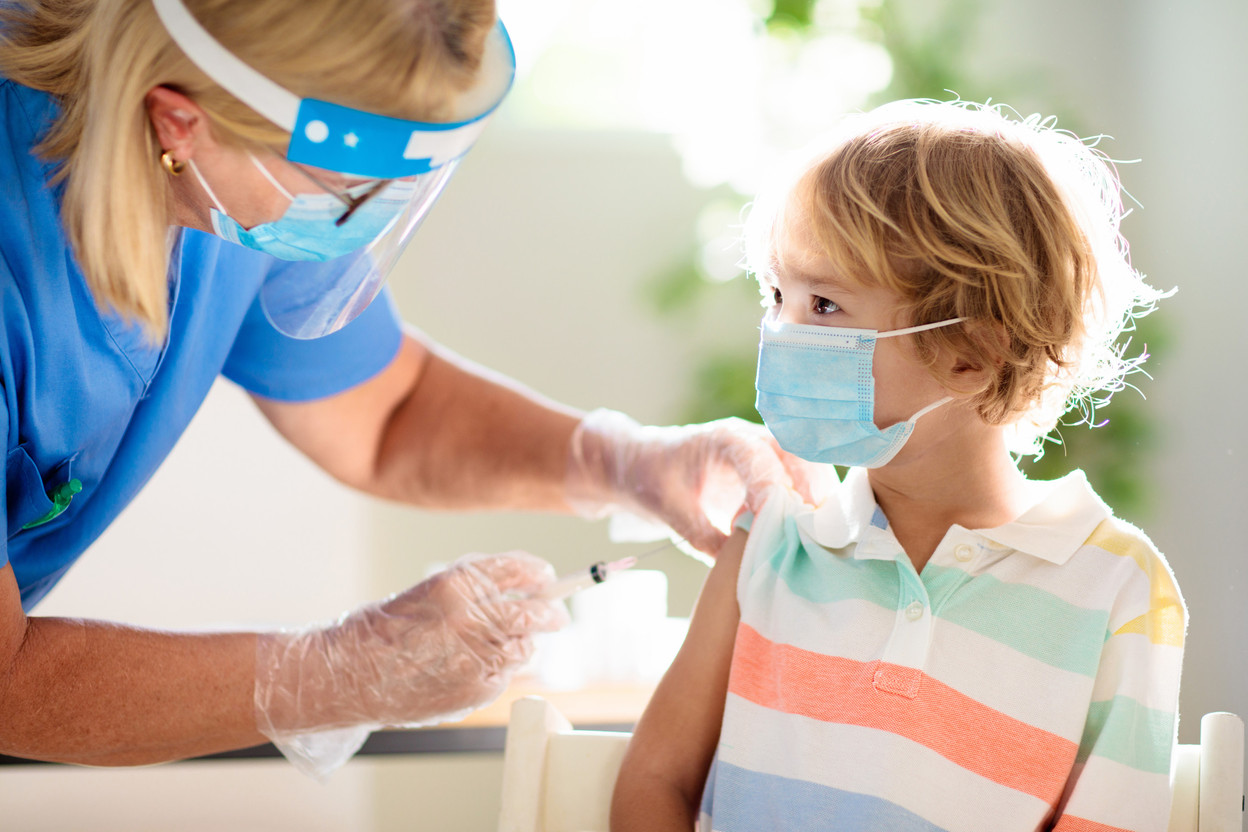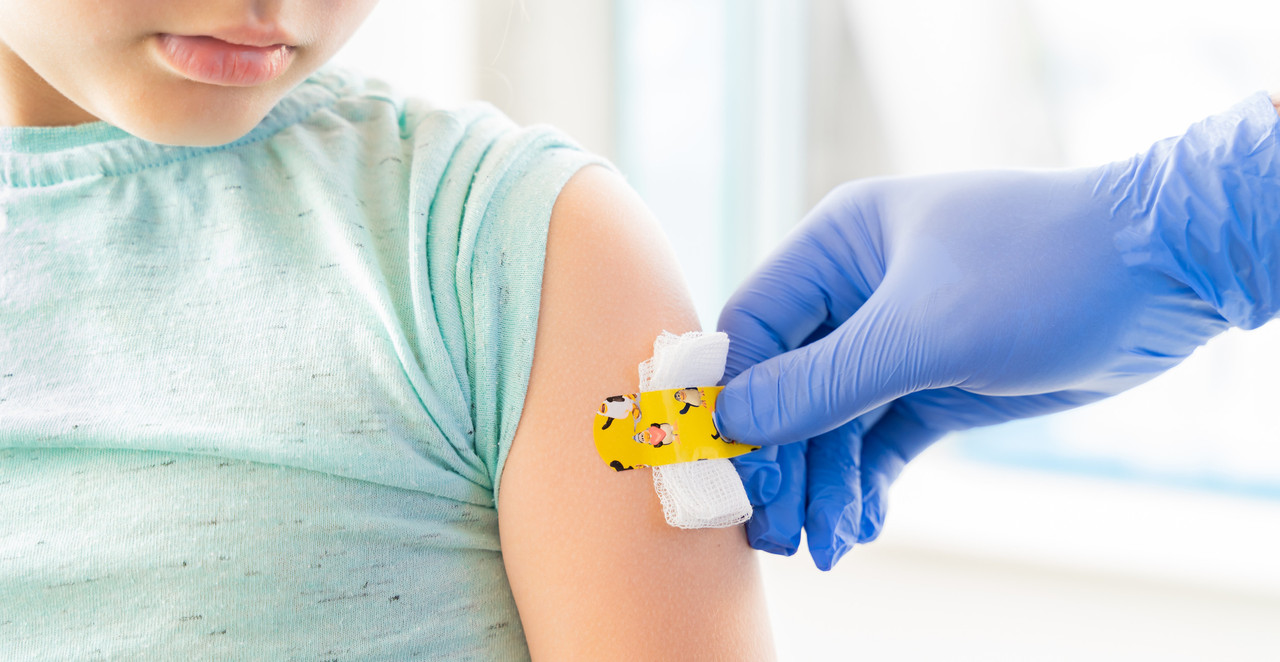
Following the decision of the European Medicines Agency (EMA) to greenlight on 25 November the Pfizer/Biontech shot for under 12s, the grand duchy’s infectious diseases council (CSMI) had on 2 December recommended only vulnerably children get the vaccine--a third of the full dose--, as the adult population’s vaccination rate had a more important effect on the dissipation of the virus.
Who qualifies?
The council said only children aged 5 to 12 with respiratory or cardiac illnesses, immunodeficiencies, diabetes or morbid obesity, encephalitis and epilepsy, kidney disease and chromosomal abnormalities, like Down syndrome, should be offered the vaccine.
Parents will be able to register their children at their GP from 14 December, following which they will receive an invitation letter. Alternatively, doctors who vaccinate children in general will be able to administer the shot.
But the government is also considering vaccinating all other children between the ages of 5 and 12, waiting for results of studies about the widespread vaccination campaign of children in the U.S. to do so, as it states in an official press release.
Do people want to vaccinate their children?
On 11 December, accessible science website science.lu published a study asking whether vaccinated wanted to get a booster and whether adults wanted their children to receive the shot.
While 87% of the 600 participants had already received a full inoculation and/or a booster shot, 56% said they would want children to be vaccinated. 22% said they weren’t sure, while 22% were against it. Out of the group, 13% were parents of 5 to 11 year-olds, and the majority (66%) were for the inoculation of their children, while 10% weren’t sure, and a minority of 23% were against it.
Researcher Joël Mossong, who worked on the study, explained this positive outlook on child vaccination. During high incidence moments, children “have to be quarantined so often, the school routine is disrupted so often, they have a high risk of carrying the virus into the families--which is also a psychological burden. (…) (Parents) know what impact the high incidences have on their child,” he said in an official statement.
Currently, children between 0 and 14 have the highest incidence rate, with 758 cases for 100,000 citizens.