A growing reliance on financial advisers has emerged among investors in Belgium and Luxembourg, as they navigate rising geopolitical tensions, inflation and economic uncertainty. According to a survey conducted by Natixis Investment Managers, 90% of investors in the region expressed trust in financial advisers, favouring personal guidance over automated or algorithm-based recommendations.
The survey, which polled 300 individual investors in Belgium and Luxembourg--each with at least $100,000 in investable assets--found that 70% were worried about how current market conditions might affect their personal finances. Investors in the region showed a clear preference for safety, with 70% prioritising security over returns. A further 67% expected market volatility to increase.
This cautious outlook extended to return expectations. For 2025, investors in Belgium and Luxembourg projected returns of 7.4% above inflation, down from 9.5% a year earlier--a 22% reduction. However, long-term optimism remained high, with expectations averaging 12.6% above inflation. Financial advisers, in contrast, estimated that a more realistic long-term return would be 8.3% above inflation. Despite more conservative short-term goals, these long-term figures suggested continued ambition among investors.
Inflation and taxation
The survey identified inflation as the primary concern amongst global respondents (51%), although only 35% of investors in Belux ranked it as their top issue. Instead, 44% cited international conflict as their main worry. The impact of rising living costs was evident, with 65% of investors reporting they were saving less. Additionally, 70% said inflation had eroded past gains, and 44% stated it had made it harder to achieve long-term financial goals.
Only 41% believed the worst of inflation was over. As a result, after-tax returns have gained prominence: 57% of investors in Belgium and Luxembourg (compared with 70% globally) said they prioritised net returns over gross returns. Taxation ranked as the third-largest financial concern (37%), and 67% of advised investors now considered tax planning a standard part of portfolio discussions.
Private markets and AI
Investors showed a rising interest in private assets as public markets remained unstable. Globally, one in three investors wanted their adviser to provide access to private market opportunities. Among Belgian and Luxembourg respondents, 45% said their interest in private assets increased as they learned more, and 50% believed the potential returns justified the higher fees. However, 58% were concerned about the limited liquidity of these investments.
Views on artificial intelligence as an investment opportunity were divided. Only 38% of Belgian and Luxembourg investors described AI as the greatest investment opportunity of their lifetime, while 53% believed it was a bubble that would eventually burst. This indicated lower enthusiasm for AI among retail investors compared with financial professionals.
Personal advice
The survey highlighted the enduring value of personal financial advice. Investors were not only looking for portfolio management but broader financial coaching. In Belgium and Luxembourg, 36% sought help with retirement income and general financial planning. Personal connection remained a priority: 69% of advised investors valued the human element in financial advice, while only 32% trusted algorithms or AI for investment decisions. Just 14% said they trusted investment content on social media platforms.
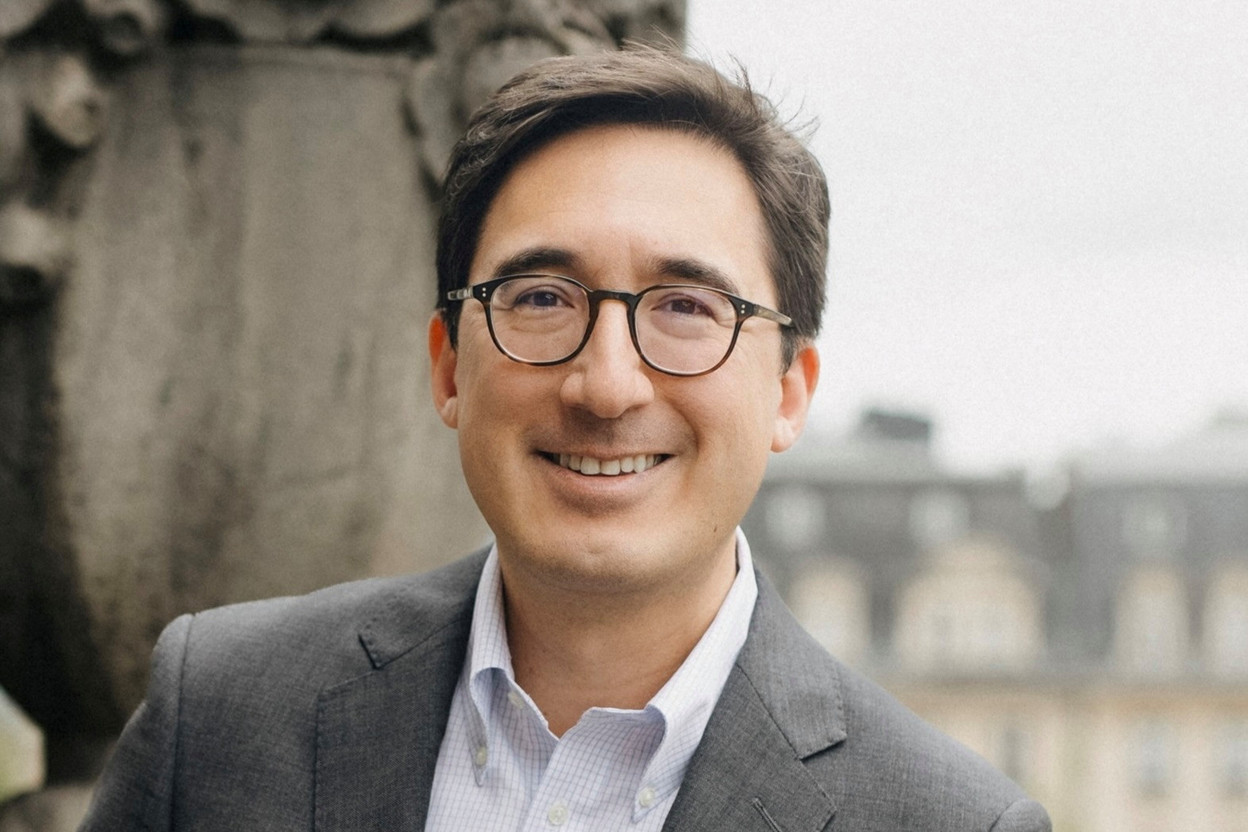
For many, the most valued qualities in a financial adviser included understanding their unique situation (25%) and being a good listener (32%). As Sebastien Sallee, head of Belgium and Luxembourg at Natixis IM, stated: “In an increasingly complex investment environment, the role of a local advisor--whether a wealth manager, family officer or other specialist--who can offer tailored solutions and navigate each country’s fiscal landscape is becoming more essential.”