Fears of an invasion of Ukraine are growing as Moscow plans military exercises from 10 to 20 February in Belarus, seen by observers as a barely concealed opportunity to deploy even more troops.
With sanctions already in place since 2014 following Moscow's annexation of Crimea, Washington is now reportedly planning to strike even harder in the economic war. As a result, Russia could have its participation in the SWIFT network, a market infrastructure that mediates interbank financial transactions, withdrawn.
In addition, the US is considering blocking Russian banks’ access to the dollar for clearing transactions. This would cause a major disruption in the activities of clearing companies such as Clearstream or Euroclear. The Biden administration also suggests that sanctions could target Russian energy companies and restrictions could be placed on access to US technology and consumer products, including computer chips and phones.
The market response was swift, with the Moscow stock market plunging last week. Global markets were also severely affected by the recent announcement by the US Federal Reserve (Fed) that it may adopt a more aggressive monetary policy than expected.
The ECB is currently analysing the risks
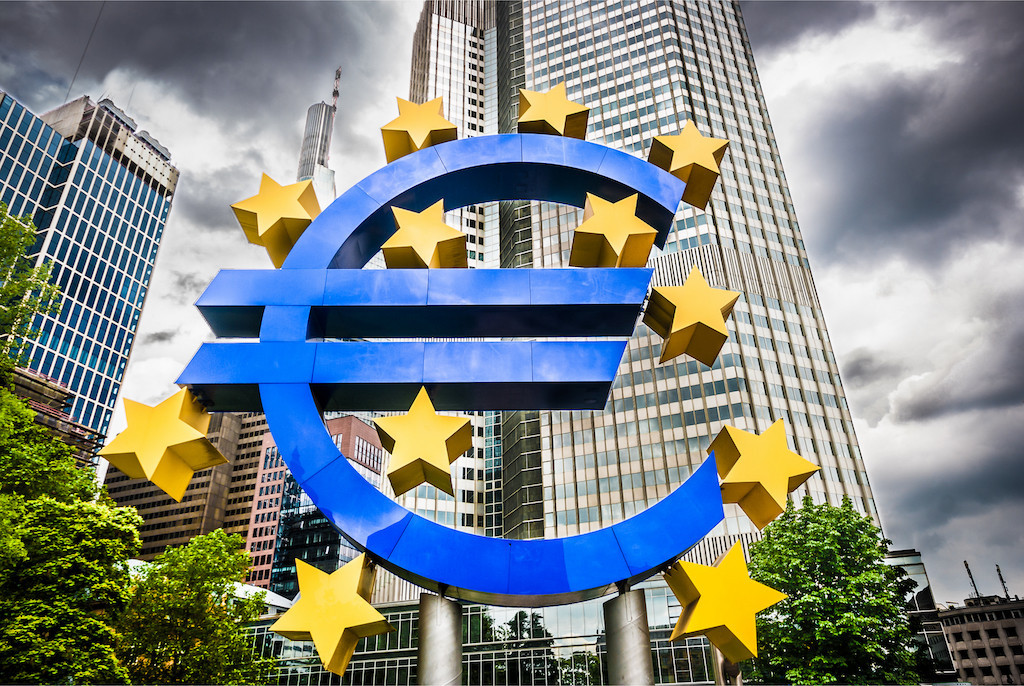
Investors are not the only ones worried about the global fever pitch. Financial regulators are also keen to avoid being caught out in the cold if tensions escalate. Les Echos reported last week that the ECB had initiated requests for information from banking institutions in the euro zone with a view to ascertaining their exposure to Russia and the risks that might arise from this.
The ECB is said to have approached the Italian bank UniCredit, the Austrian Raifeisen Bank and Société Générale because of their respective strong presences in Russia. The Société Générale group has a network of 230 branches in Russia via its Rosbank subsidiary.
Contacted by Delano’s sister publication Paperjam, the ECB said it was not in a position to comment on this information due to the “reserve period” which restricts communications with the media before meetings of its Governing Council, the next of which is scheduled for 3 February.
However, we understand from an knowledgeable source that requesting information from banks on one of their specific geographical exposures and associated risk management is routine for the European banking supervisor.
A systemic risk
In response to Paperjam’s questions, the CSSF states that it is clear that in the face of emerging or changing risks, national and European micro- and macro-prudential authorities reassess risks. The Luxembourg regulator explains that it interacts with supervised entities in order to have as complete and up-to-date information as possible.
Faced with identified risks, the CSSF explains that together with the authorities it then assess the most appropriate measures to mitigate them, with the aim of protecting financial stability, depositors and investors.
In addition to the risk of increased sanctions against Russia, regulators are also preparing to protect the European banking system from systemic risk in the event of a conflict. One source confirms that the ECB would stand ready to inject liquidity if necessary in case there serious negative consequences arise from the current tensions.
Since the launch of its emergency private and public asset purchase programme in March 2020, the ECB has become more experienced in unconventional monetary policy measures. It has explained that the policies implemented by the ECB during the pandemic will serve as a guideline should the current situation turn into a full-blown conflict.
This story was first published in French on Paperjam. It has been translated and edited for Delano.