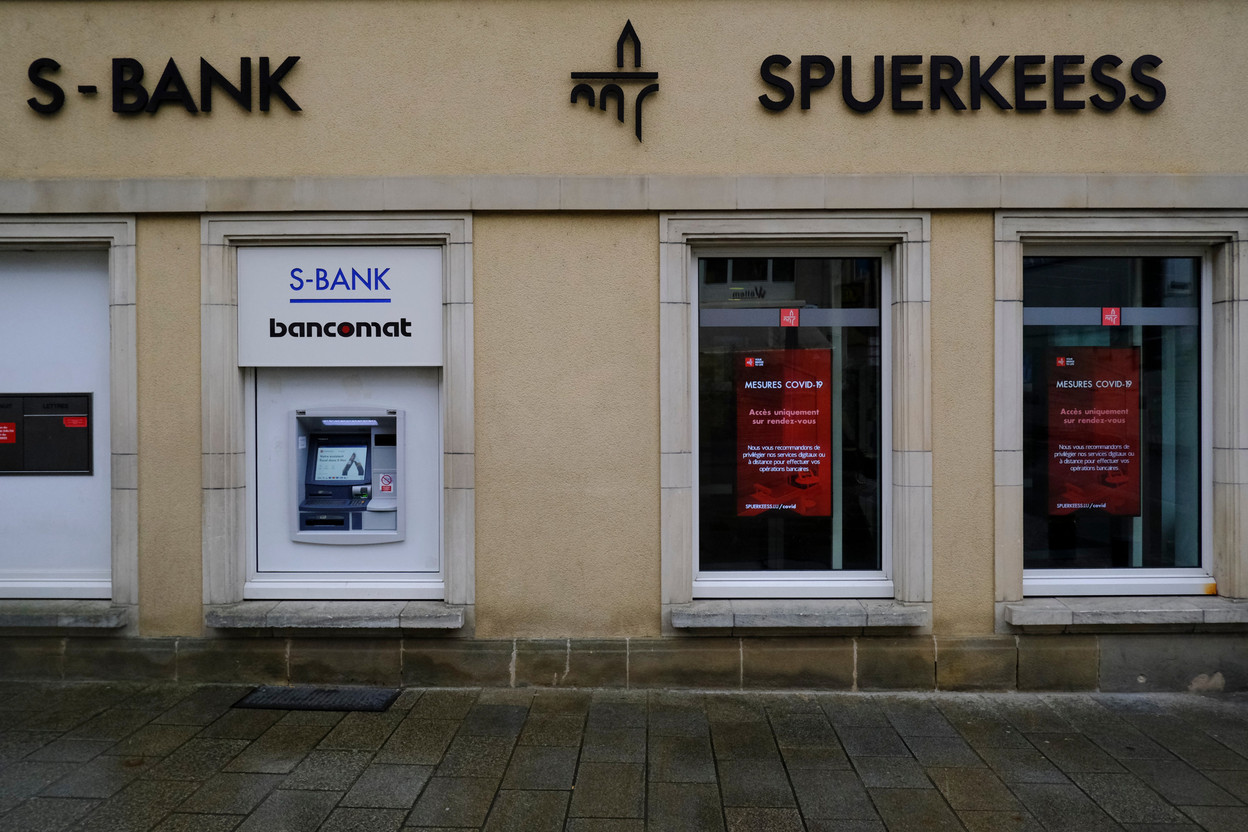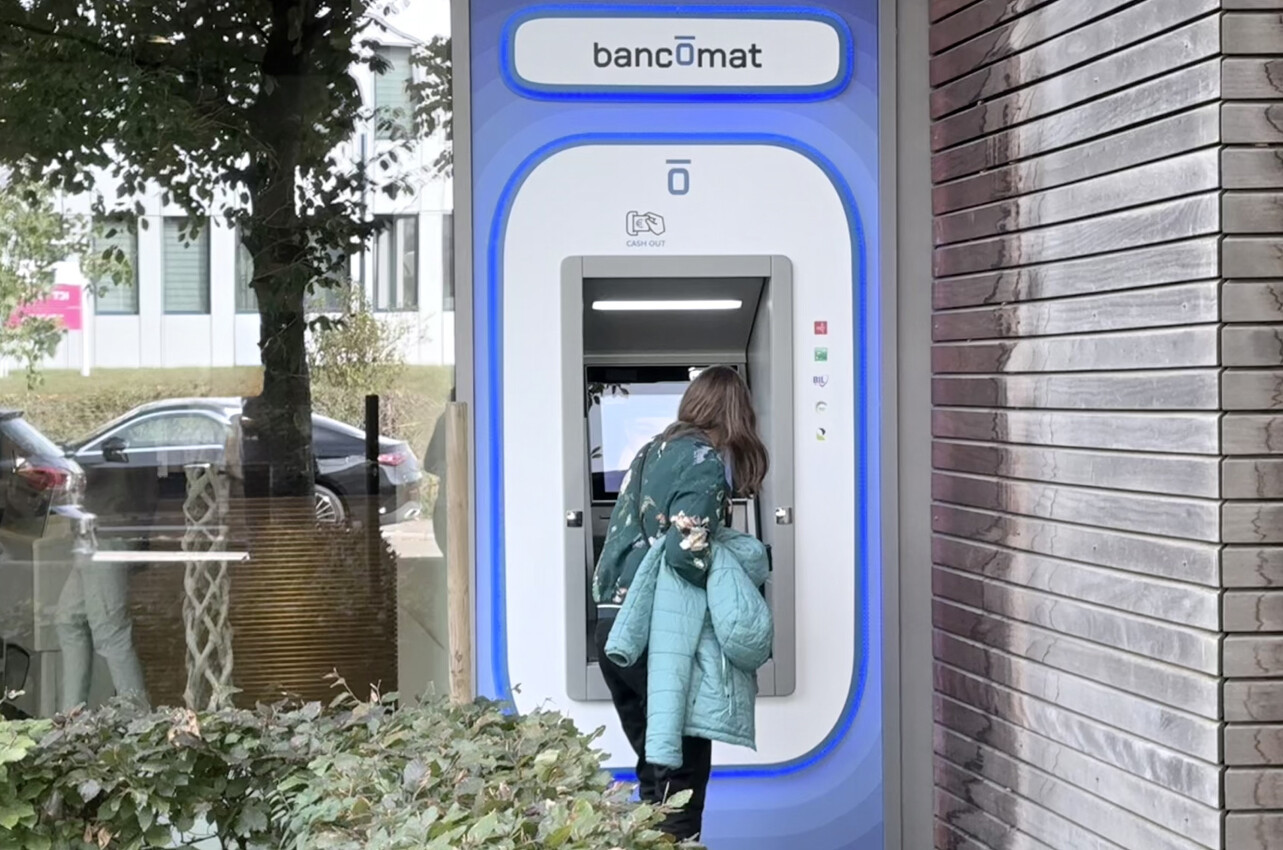
People were grumbling at the regular closures of bank branches and cash-withdrawal points. People will grumble at the roll-out of the new network of cash machines, 237 in total compared with 595 in 2019, at a time when banks began to discuss their (financial) difficulties in maintaining this network, whilst the use of cash was declining as a result of the digitalisation of financial services.
For even though its promoters claim that they will cover nearly 92% of the population – meaning that 92% of the population will have an ATM within 5 kilometres by road – the experience will no longer be the same: some towns or villages will no longer have cash machines, whilst in other places, a customer of one bank will have to go to another bank to use a cash machine, safe in the knowledge that, once their card is inserted, they will find an environment similar to that of their own bank. Thirteen sites have been identified which could, at some point in the future, host an ATM, bringing coverage to 94% of the population, the remainder being simply ‘the forest and areas where nobody lives’.
Around twenty machines have already been installed, seven of which were in operation at the time of the presentation. The roll-out is then set to continue at a rate of four to eight machines per week until 2027. The five banks – BGL BNP Paribas, Banque Internationale à Luxembourg, Banque Raiffeisen, Post Luxembourg and Spuerkeess – have opted to replace their entire fleet of machines. Around 80% of the new machines will enable banknotes previously deposited to be reissued as cash withdrawals.
LuxConstellation therefore aims to reduce cash-handling operations and cash transport. The machines are set to gradually introduce cash deposits, contactless payments and dynamic currency conversion by the end of the year. These ATMs will be lower in height to make them accessible to people with reduced mobility, and will be equipped with Braille and audio guidance in four of the five selected languages – German, English, French and Portuguese – but not Luxembourgish, as the technology did not allow for this.
The cost of the equipment alone will be between €5m and €10m, according to information provided during the conference. A single dispenser costs between €20,000 and €25,000. Setting up a site can add up to €50,000. When asked about the total cost of the project, Didier Richter, vice-chairman of the board of directors at LuxConstellation, initially referred to ‘several tens of millions’ and a figure in excess of €50m. He then put the seven-year business plan at “just over 70 million”, including operating costs, investments and depreciation.
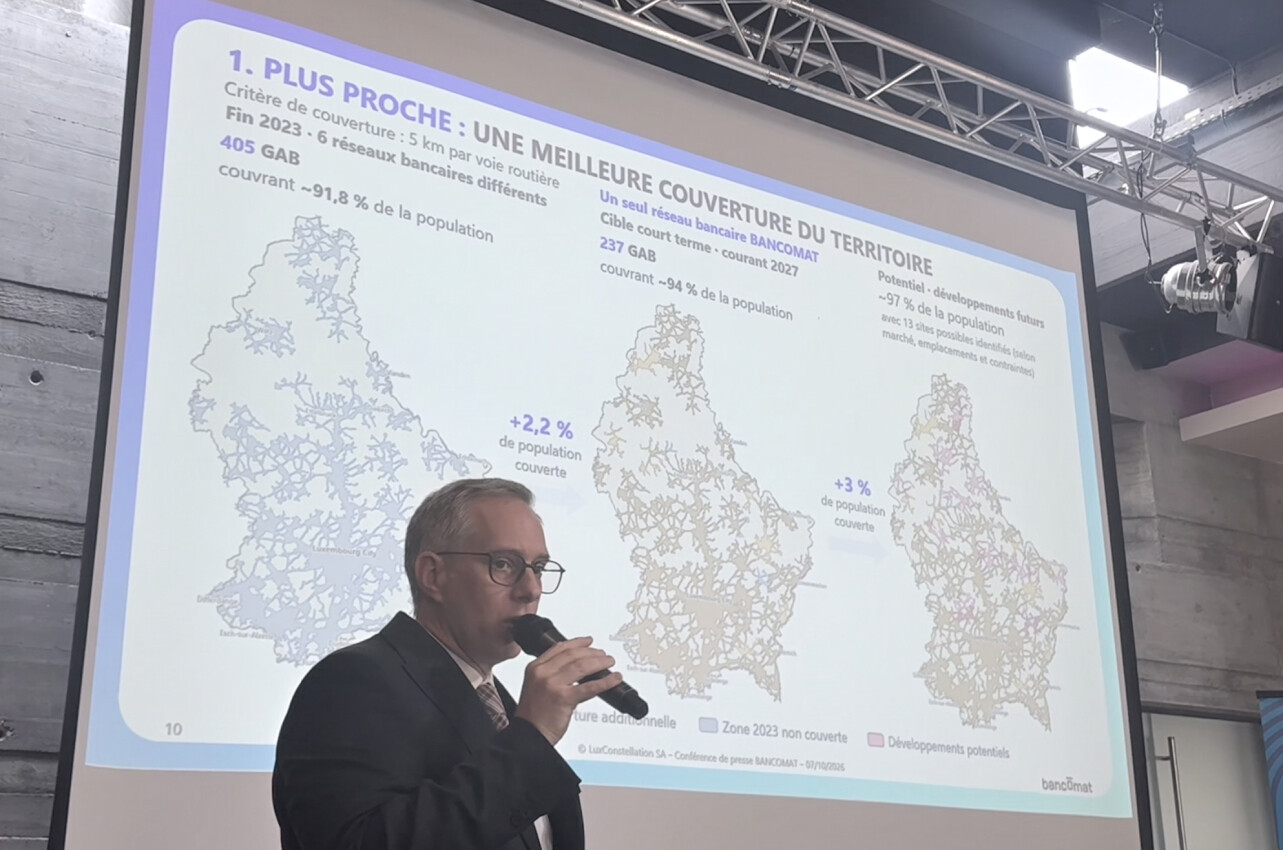
According to Thibault Monier, CEO of LuxConstellation, which operates the Bancomat brand, the new ATMs will be within 5 kilometres by road of nearly 92% of Luxembourg’s population. (Photo: Paperjam)
However, the company has not provided any estimate of the savings expected from the phasing out of parallel networks. Didier Richter prefers to refer to an ‘opportunity cost’: each bank would have had to renew its IT infrastructure separately, without necessarily replacing all its equipment within nine months. LuxConstellation does not have a consolidated overview of the profitability studies carried out by its shareholders, its management has stated.
The accounts do, however, provide an initial indication of their financial commitment. As at 31 December 2025, LuxConstellation had received €7.75m in loans from its shareholder banks, compared with €6.1m a year earlier. The banks also finance the company’s day-to-day operations. LuxConstellation invoiced them for €6.70m in services in 2025, up from €3.02m in 2024. Operating expenses are apportioned amongst the shareholders in proportion to their shareholdings, with a 2.5% surcharge. For every €100 spent, the company therefore charges them €102.50. This mechanism enabled it to generate a net profit of €96,944 in 2025.
No additional charges for customers of the five banks
Bankers who must already have noted a significant initial change: LuxConstellation had acquired an initial batch of aircraft for €4.83m. After cumulative depreciation of €1.04m, their carrying amount stood at €3.80m. At the end of 2025, they were reclassified as stock held for resale with an estimated net realisable value of €1.59m. This comparison reveals an implicit accounting impairment of €2.21m. However, the accounts do not document any completed sales or the amount actually recovered. At the conference, management explained that they had acquired these machines as part of an ‘initial partnership’, before changing partners and fleet. They did not identify either the original supplier or the new partner.
Ultimately, the network will be accessible to customers of all banks. Customers of the five shareholders will not incur any additional charges. LuxConstellation is still considering the pricing structure applicable to cards issued by other banks, particularly within the eurozone. A margin may also be applied to the conversion offered to cardholders with cards denominated in another currency. Fewer than one in two customers in Luxembourg consider access to cash to be important; the decline in the number of ATM withdrawals in 2024 was projected at 7% in the ABBL and CSSF’s ’Retail Banking Survey 2025’.