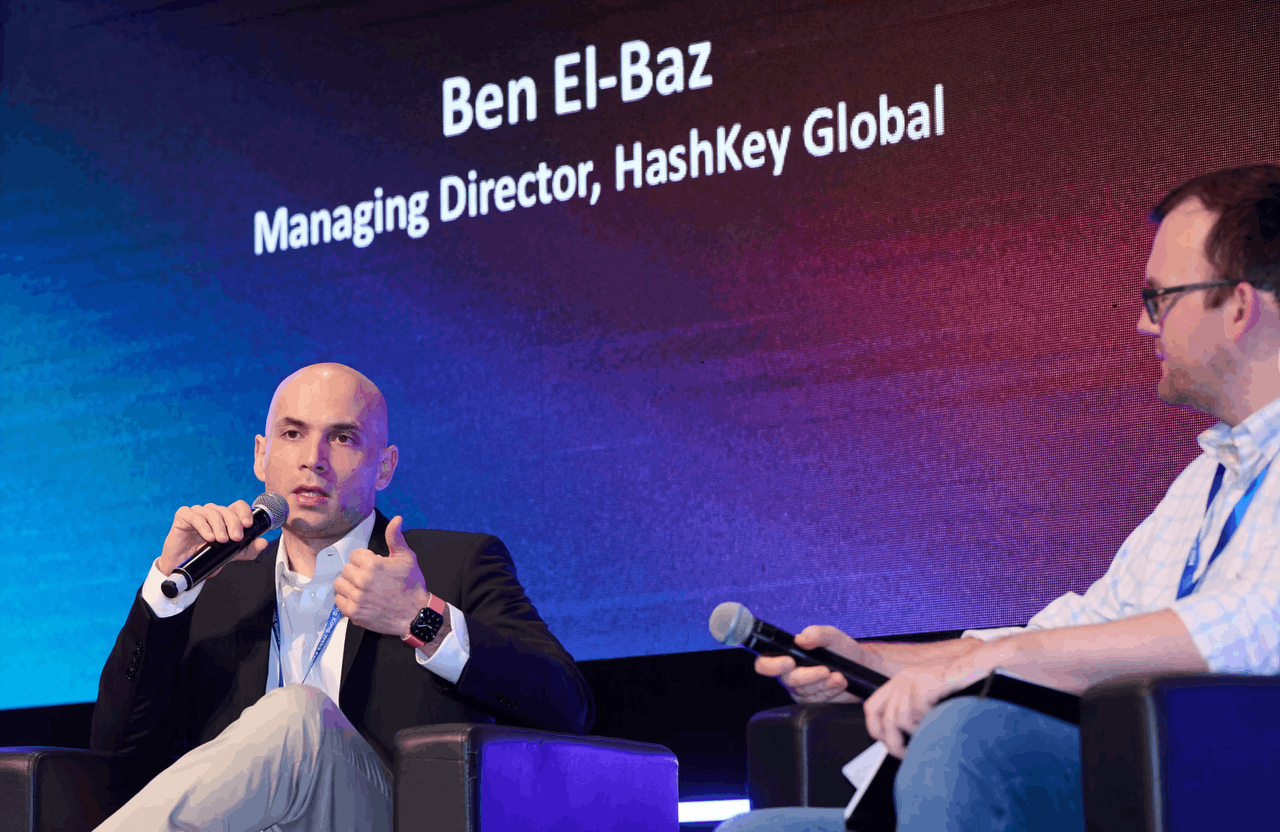
The Hong Kong-based group HashKey, which in just a few years has become one of the most influential players in the Asian crypto industry, has just set up a subsidiary in Luxembourg. Officially, the company’s corporate purpose remains deliberately broad and conventional for an international financial entity: holding shareholdings, investments, intra-group financing, issuing securities, and financial and commercial activities. The text makes no mention of crypto-assets, blockchain or Mica services. However, given the group’s profile, it is difficult to interpret this move as a mere administrative formality.
HashKey is now one of Asia’s leading crypto players. Founded in 2018, the group has built its business around a model that differs significantly from that of the more aggressive platforms of the previous speculative cycle. Whilst many players focused on rapid growth and lightly regulated jurisdictions, HashKey chose early on to prioritise regulatory compliance and institutional investors. This strategy has enabled it to become one of the main beneficiaries of Hong Kong’s shift towards crypto. The group now operates the largest licensed crypto platform in the special administrative region and is developing a much broader range of activities than simply trading cryptocurrencies.
The figures give an idea of the scale the group has reached. According to its prospectus for its initial public offering in Hong Kong, HashKey had facilitated approximately HK$1.7trn in cumulative trading volume by the end of September 2025, equivalent to around US$218bn. The group also managed approximately HK$29bn in staking assets, making it one of the largest Asian operators in the sector.
A business that goes beyond crypto trading
However, HashKey is no longer limited to crypto exchanges. The group is actively expanding into institutional custody services, blockchain infrastructure, the tokenisation of financial assets and digital asset management. Its subsidiary, HashKey Capital, claims to have over $1bn in assets under management and has made more than 400 investments in blockchain projects worldwide.
This diversification also explains why Luxembourg is becoming an attractive prospect for the group. The next battle in the sector is no longer centred solely on traditional cryptocurrencies, but on the transformation of traditional financial markets through blockchain technology. Tokenised bonds, tokenised funds, regulated stablecoins and digital settlement and delivery infrastructures: all these developments are gradually bringing crypto-assets closer to traditional institutional finance.
For an Asian group seeking to establish a credible regulatory presence in Europe, this expertise represents a major advantage. The timing of HashKey’s move is also telling. With Mica, Europe is gradually becoming one of the few major global markets to have a harmonised regulatory framework. For large international groups, having a European base could pave the way for regulated cross-border activities across the EU.
A model that is still fragile
However, the group’s expansion is accompanied by a business model that remains fragile. Despite spectacular growth in volumes and business activity, HashKey continues to operate at a loss. Net losses almost doubled between 2022 and 2024 to reach approximately HK$1.19bn, largely due to massive investments in technology, regulatory compliance, marketing and international licences. Revenues, meanwhile, remain relatively modest compared to the valuations achieved in the sector. The group generated approximately HK$720m in revenue in 2024. In the first half of 2025, revenue is reported to have fallen by around 26% to HK$283m, according to the IPO documents. This decline illustrates the high volatility of the crypto sector, even for the most institutionalised players.
This did not, however, prevent investors from continuing to back the group. In 2024, HashKey raised around $100m in a funding round that valued the company at over $1.2bn. By 2025, several specialist media outlets were already reporting a valuation of around $1.5 to $1.65bn ahead of its Hong Kong IPO. The IPO, which took place in late 2025, further reinforced this momentum. HashKey raised approximately $206m during its Hong Kong IPO, with leading institutional investors such as UBS, Fidelity and CDH among the key investors. The success of the offering was interpreted as a strong signal that investors remain willing to support crypto infrastructure deemed regulated and institutional, despite the sector’s persistent volatility.
The Luxembourg operation is still in its infancy, and no European operational activities have yet been announced. However, the arrival of a player of this calibre confirms that Luxembourg continues to emerge as a strategic jurisdiction within the new global landscape of digital assets.