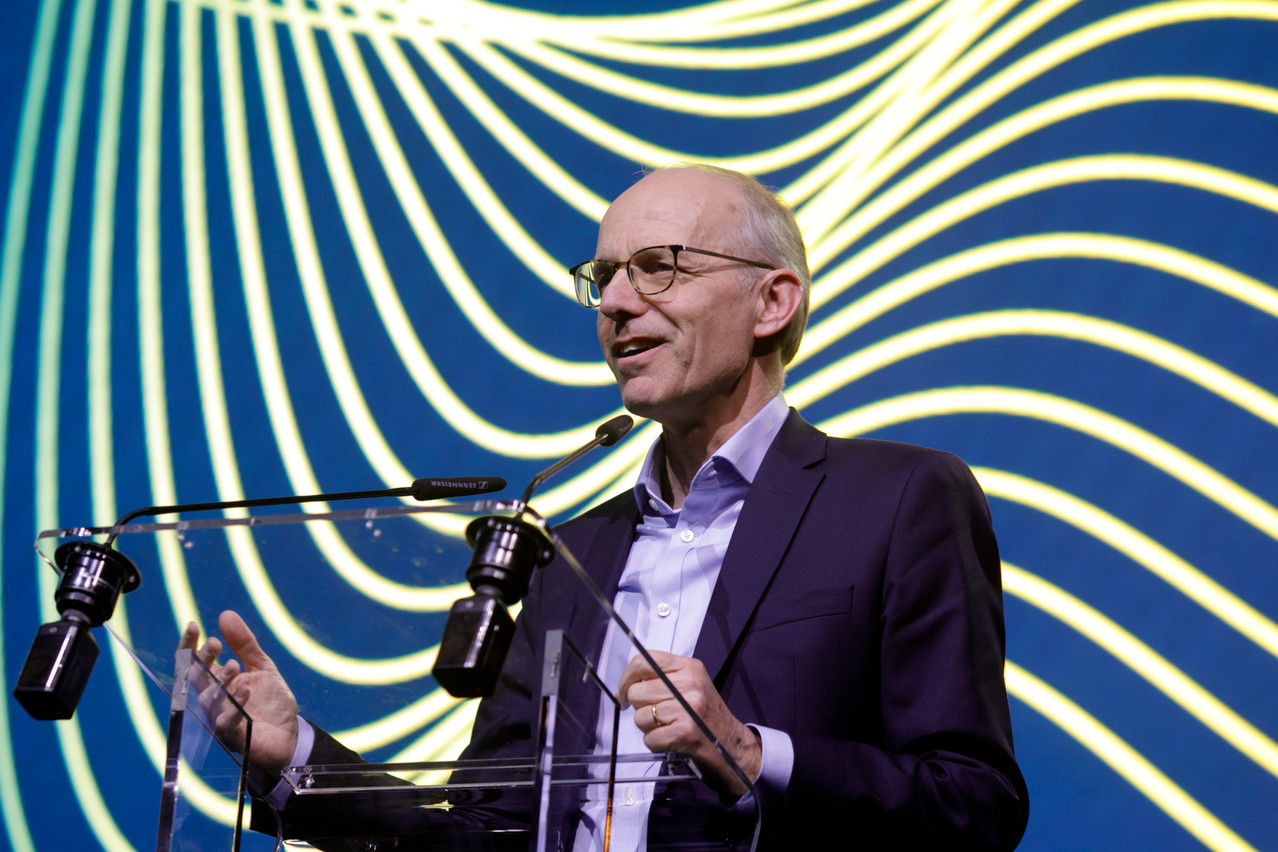
“The coalition’s programme has opened the door--it’s now a question of walking through it,” said 
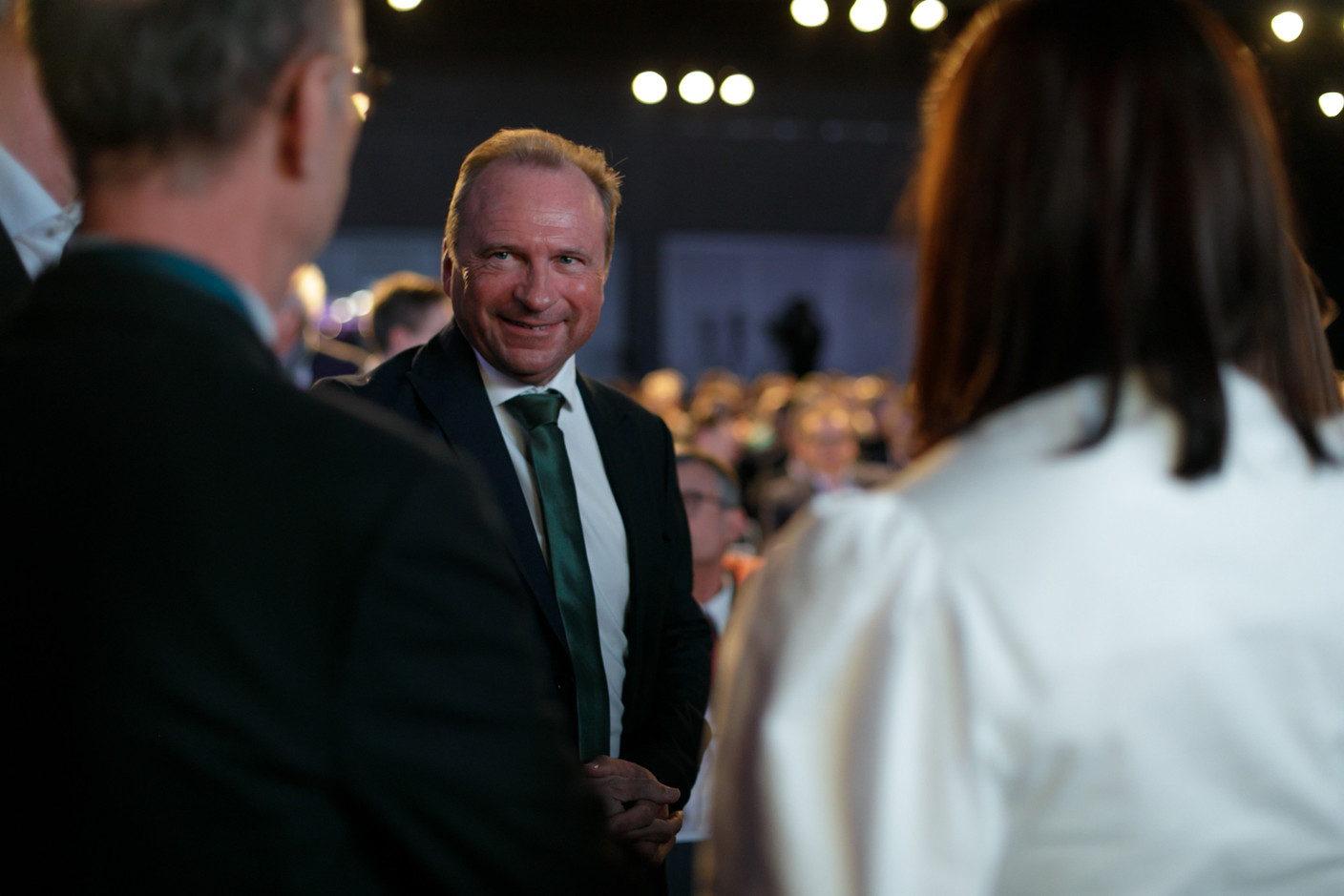
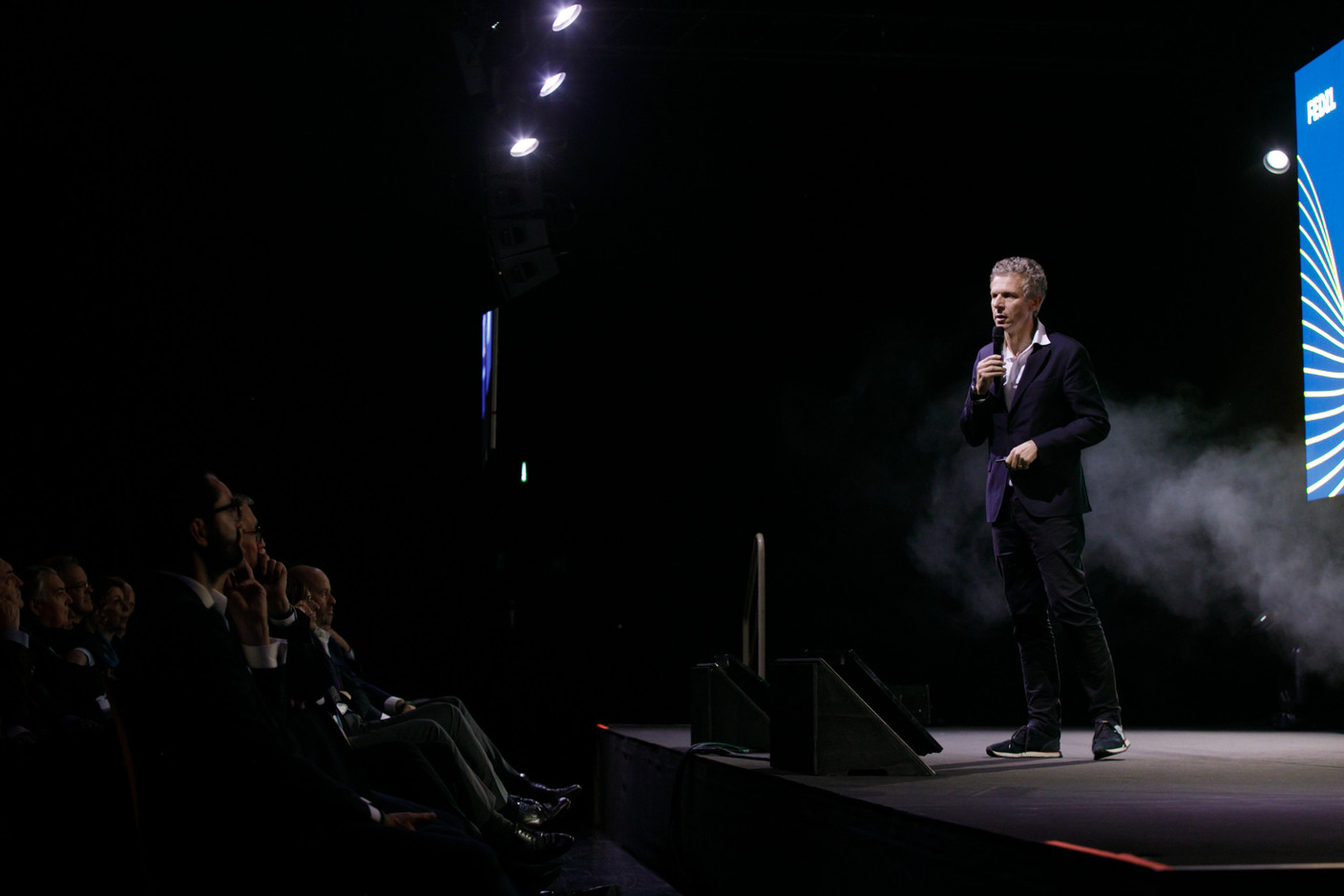
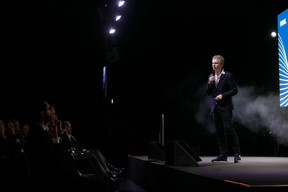
The president was speaking at Fedil’s New Year’s reception for businesses, held at Luxexpo The Box on 23 January.
When prime minister 


What to expect
Included in these measures, said Frieden, will be tax incentives for people wishing to invest in property that they will rent out, as well as support measures for people--those with low incomes, he specified--wishing to buy or rent houses.
“This will give a boost to the construction sector,” he said. “We prefer to finance economic activity rather than unemployment or short-time working. Those who wish to do so can already take the initiative. Once the texts have been passed by the deputies, they will apply retroactively from 1 January 2024.”
Business background
In his speech, Frieden also reminded the room--packed with businesspeople--that he spent a decade working in business. “I’m very grateful for the experience,” said Frieden, who also served as president of the Chamber of Commerce from 2019 to 2023. “The state sets a framework and companies operate within that framework. It’s useful to know how to develop this framework.”
The aim, said Frieden, is to create the framework for a strong economy and healthy businesses. “The government is not afraid of the words ‘competition’ or ‘competitiveness’. Without competitive companies, we won’t succeed in maintaining social cohesion.”
Addressing employees, the prime minister also said that “the legal context of work will change over the next few years.”
As for his methodology, Frieden’s pragmatism is also reminiscent of the business world: “Governing is not a matter of theory,” he said, “but of discussion with companies. Together, we can achieve a great deal.” Nevertheless, he did warn that the pace of democracy is “sometimes a little slower” than in the corporate sector.


Business woes
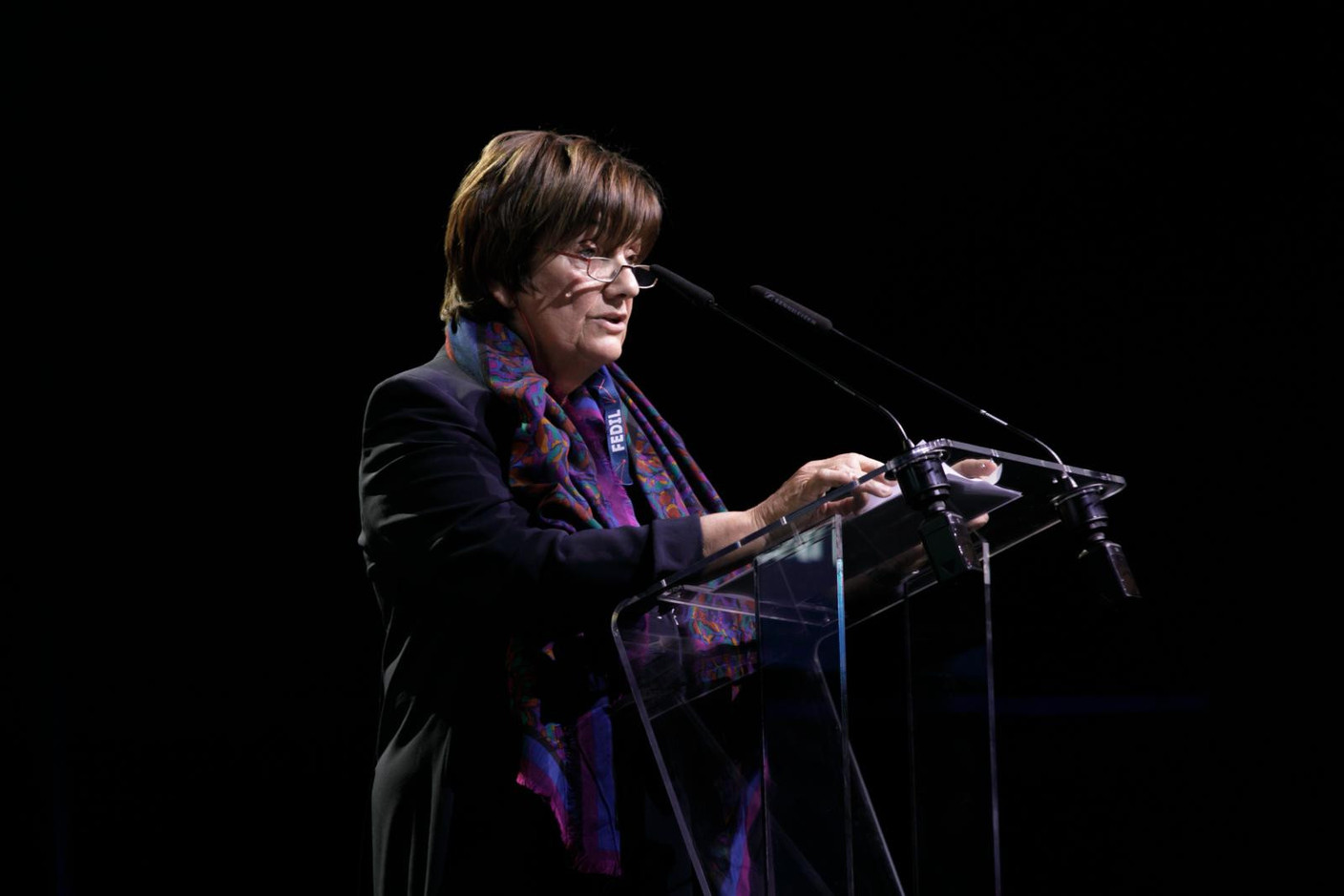
For her part, Detaille appeared to lament that the corporate sector can’t move a little faster. After making a point of painting the economic situation as bleak--describing the “slow growth” of the economy and “gloomy forecasts” for the 21 sectors represented within Fedil--she mentioned regulation as part of the problem, referring to “thousands of pages” of it. “The daily task [of companies] largely consists of collecting a variety of certified information concerning the ecological, social and humanitarian performance of products and services, both upstream and downstream,” she said, in summary of what regulatory compliance requires. “Are these regulations really effective?” she also asked.
After affirming Fedil’s commitment to decarbonisation, Detaille expressed concerns about the costs of “the next stages” of the trajectory. She fears the same thing about inflation and its after-effects: “Wouldn’t it be wiser to recognise that today’s products are new and different, and so assume the consequences of such a paradigm shift, including the costs involved?” Raising the question of the state of public finances, she added: “It’s becoming difficult for companies to take on the loss of purchasing power for employees.”
In conclusion: “Will we have to think outside the box? No doubt.”
On the subject of employees, the Fedil president said: “we have to offer them interesting jobs, an attractive framework, with appropriate flexibility and development commensurate with the tasks.” But, she continued, there are also “responsibilities” to assume, particularly in terms of attendance, which she considers a “prerequisite for quality work.” Her message: “the increase in absenteeism worries us.”
Businesses, a “silent majority”
During the evening, Detaille moved between two registers when it came to government. On one hand, confidence: “The spirit and the major orientations of the coalition agreement represent, in the eyes of Fedil, solid bases for a policy of economic recovery which would make it possible to respond to the crises we are going through.” But on the other, impatience: “We’re looking forward to implementation through swift, determined, realistic and consistent action.”
“When you deliver on some of the measures in the agreement, there will not always be applause,” she said. “But you should know that a silent majority will appreciate it.” This was the assurance she offered the ministers present at the event.
“We have a lot of work to do,” Frieden summed up in return, before looking ahead to 2025 and making a reference to discussing the pension system.
This article was originally published in Paperjam. It has been translated and edited for Delano.