Less than a year after its launch, AlphaYoda is positioning itself to scale up. The Metz-based start-up has just raised €900,000 to transform a risk that is still difficult to quantify into actionable financial data. The funding round, which closed in August 2026, comprises €400,000 in equity capital from a group of European business angels with backgrounds in finance, risk management and artificial intelligence. This is supplemented by €500,000 in bank financing. AlphaYoda has not disclosed the identities of either its investors or its banking partners.
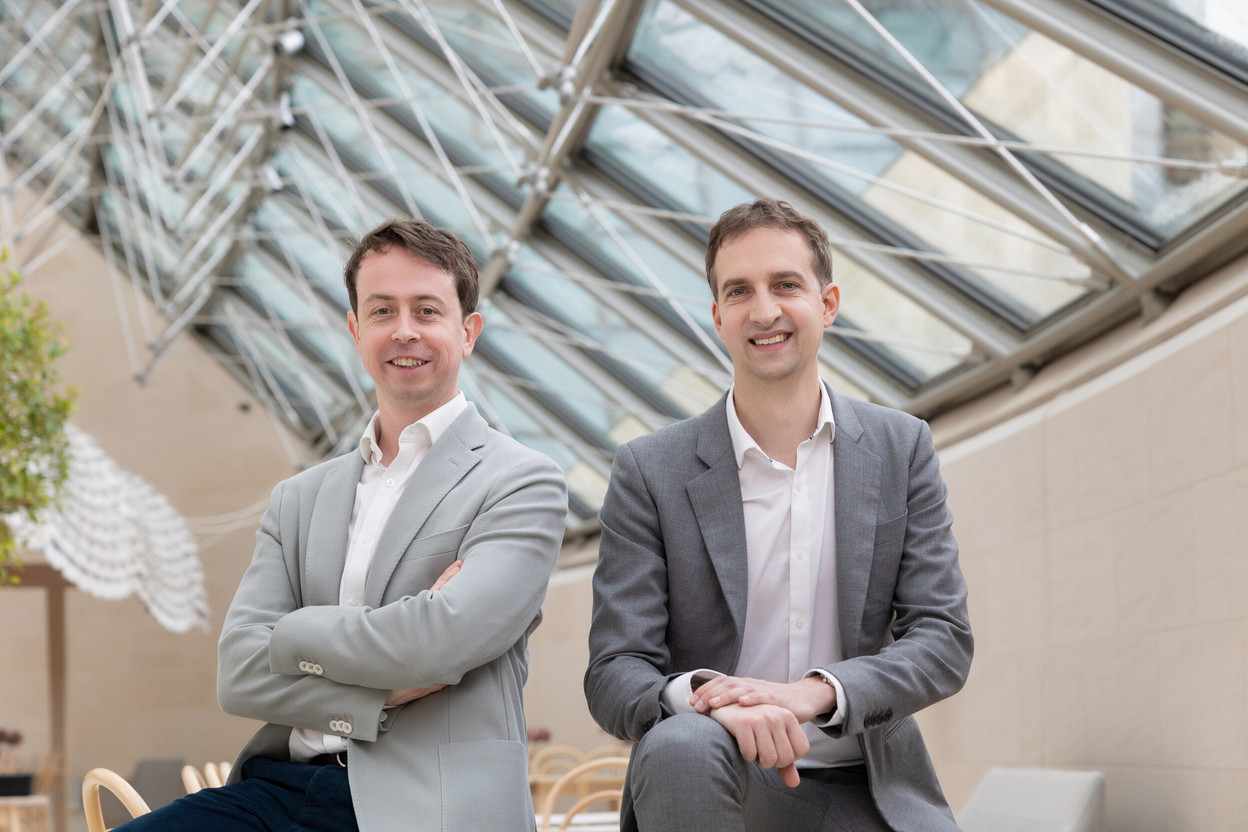
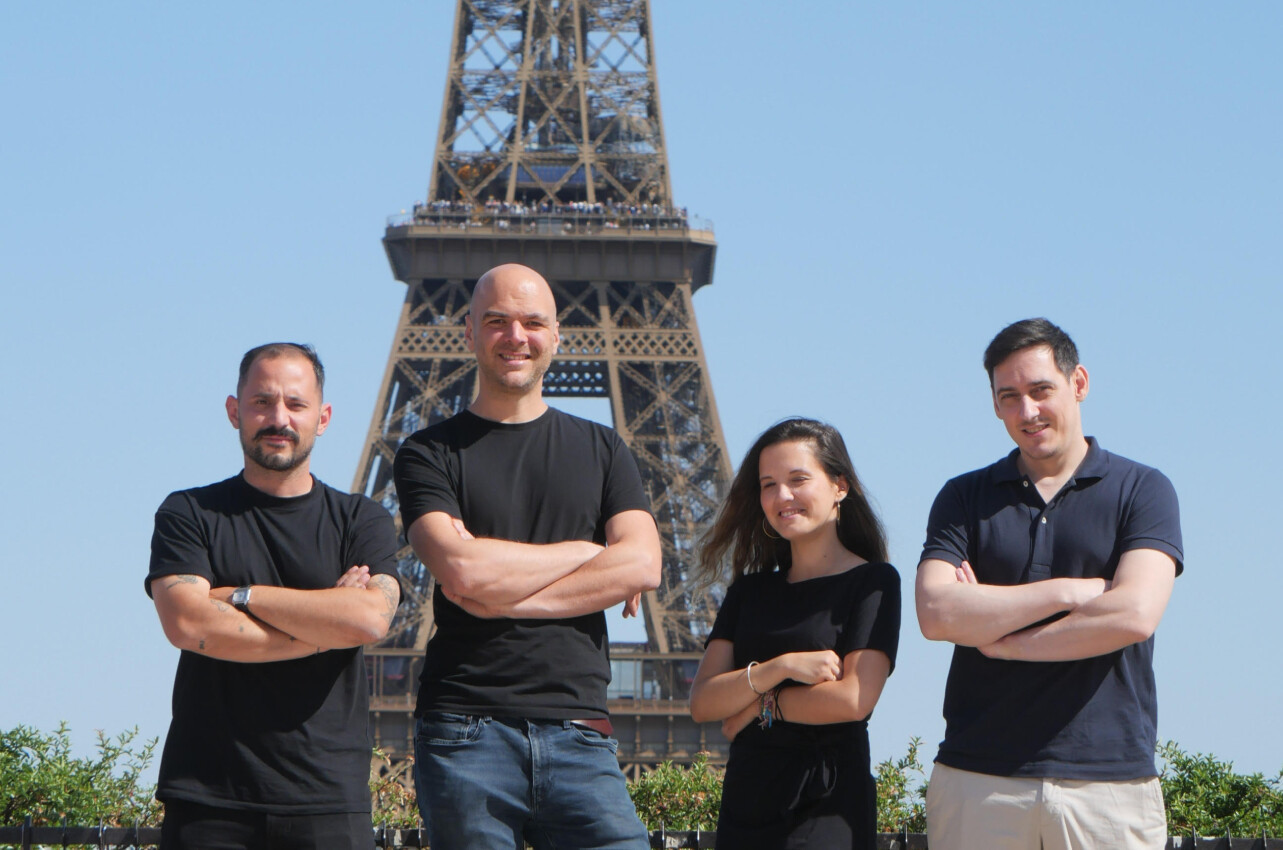
Founded by Axel Bonaldo, Marion Bitoune, Cédric de Saint Léger and Thomas Lagorce, the company is developing a tool capable of detecting controversies affecting listed and unlisted companies, analysing their nature and materiality, and then estimating their potential financial impact. The technology is said to continuously monitor more than five million sources, including the media, social media, institutional publications and public data.
AlphaYoda claims to be able to move from detecting a controversy to quantifying it in under an hour. The fintech firm thus aims to go further than solutions that merely detect controversies or assign them a qualitative score. Its ambition is to translate these into indicators that can be incorporated into investment decisions, company analysis or risk management.
“Reputational risk has become one of the most costly blind spots for financial institutions, and yet it remains largely unmeasured. Our aim is to make it as clear and actionable as standard financial data,” explains Axel Bonaldo, CEO and co-founder of AlphaYoda.
The solution is aimed in particular at banks, asset management firms and private equity funds – categories of organisations that have a particularly strong presence in Luxembourg. AlphaYoda states that it already supports several major financial institutions and distribution partners in various European countries. However, it does not disclose any names, so it is not clear whether any Luxembourg-based institutions are already among its clients.
A ‘100% sovereign’ technology
The company also highlights a technology described as ‘100% sovereign’. From data hosting to artificial intelligence models, the company claims that the chain relies on components that it controls and which are independent of non-European infrastructure. However, the press release does not provide a detailed technical description that would allow this claim to be assessed.
To illustrate the sums involved, AlphaYoda cites a study by Bank of America published in 2019. The study analysed 24 environmental, social or governance controversies within the S&P 500. These incidents were linked to $534bn in losses in market capitalisation, measured between the highs and lows of the shares and relative to the index. This figure does not mean that the controversies alone account for the entirety of the losses observed. It does, however, show why investors are seeking to better incorporate reputational risk into their analytical models.
AlphaYoda claims to have identified, on its own, nearly €85bn in lost market capitalisation over two years, based on a sample of seven European companies. However, the company has not disclosed the names of the companies studied, the periods covered, or its full methodology. This finding cannot therefore yet be independently verified.
AlphaYoda aims to become profitable by 2027 and, by that time, aspires to become the European leader in the financial quantification of reputational risk. To achieve this, it will need to demonstrate that its models can distinguish between losses directly linked to a controversy and those resulting from market movements, sector performance and other company-specific events. It is this capability, rather than simply the volume of sources analysed, that will determine the value of the technology for finance professionals.