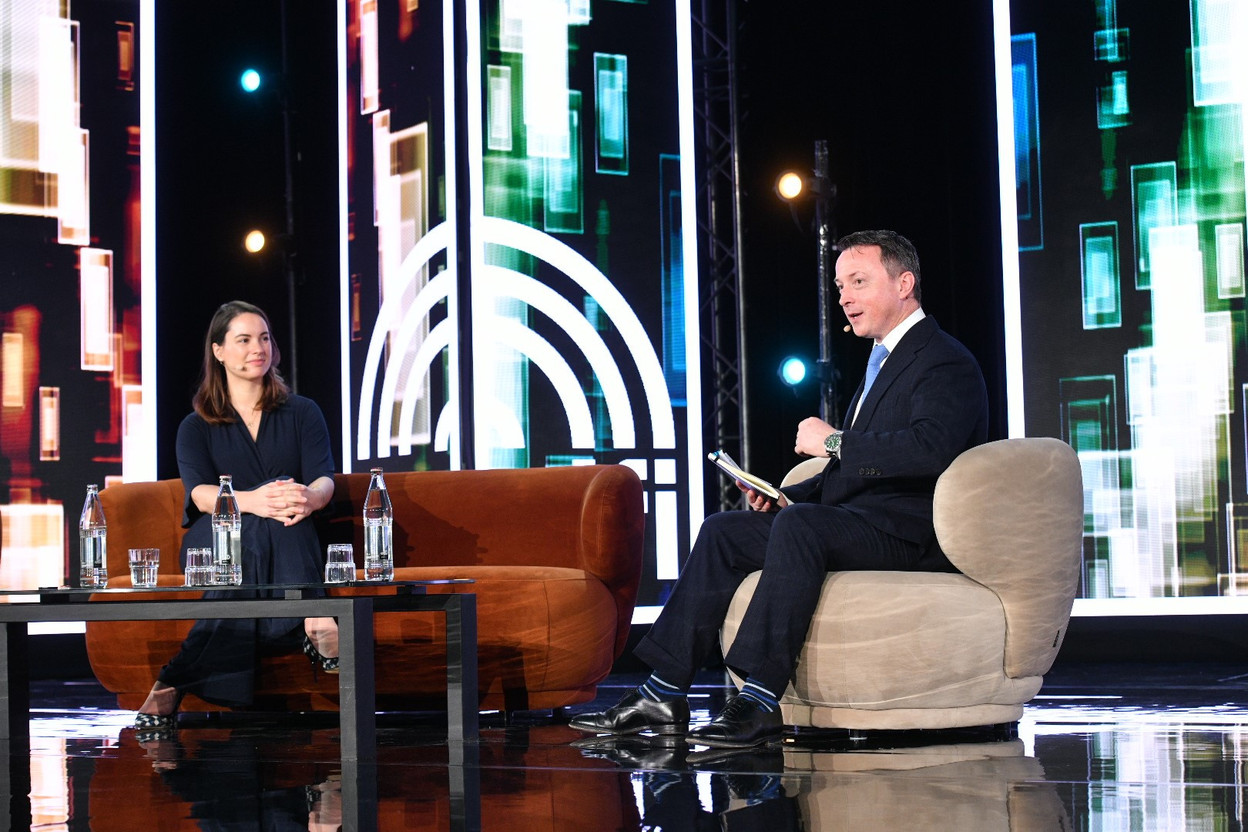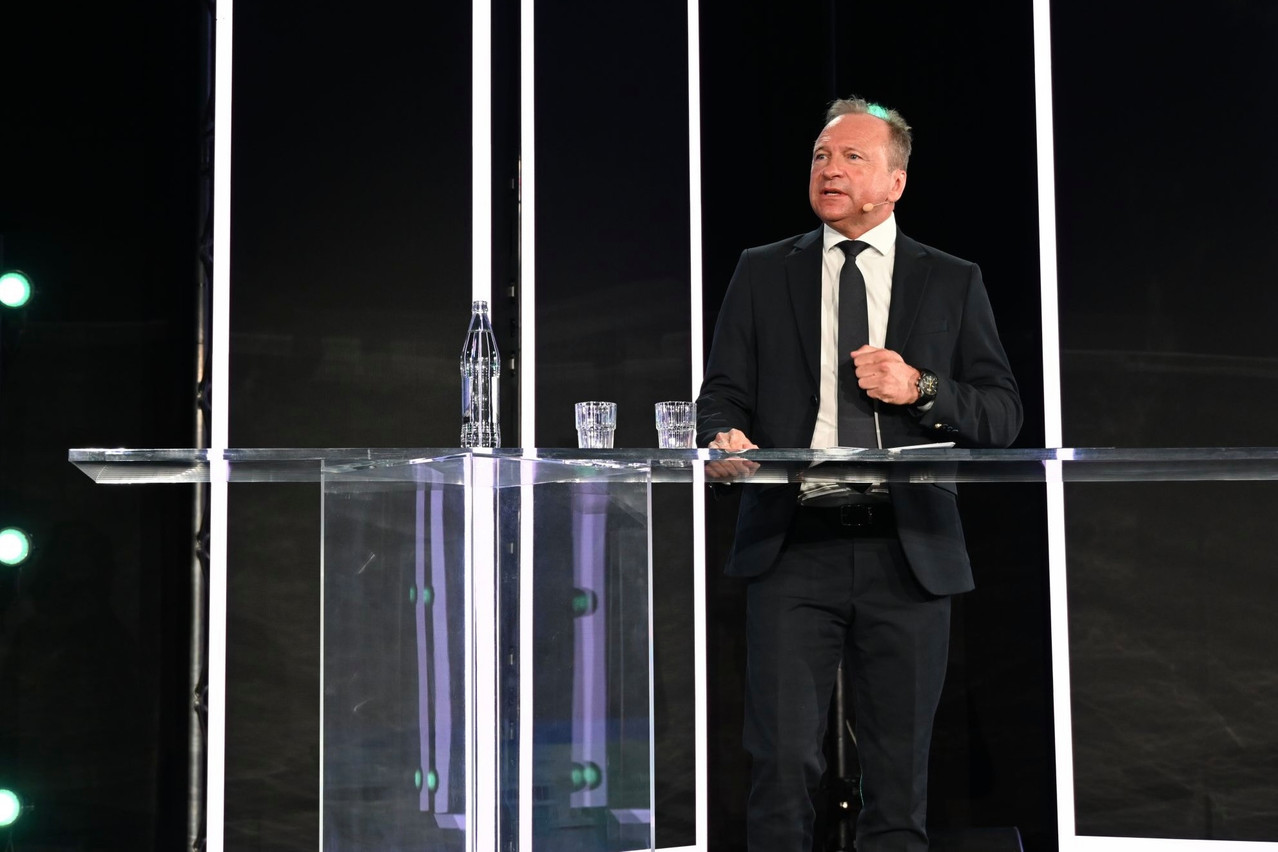
The Association of the Luxembourg Fund Industry (Alfi) on 25 March 2025 held the first day of its Global Asset Management Conference, which featured discussions on artificial intelligence and alternative investments, blockchain and the tokenisation of funds, exchange-traded funds and more. Finance minister 
The first pillar, he said, was innovation. This means using technology and an “innovative legal framework” to deliver value. Luxembourg is among the leaders in sustainable finance; now it must also lead in digital finance, Roth argued, noting that the government on 24 March announced a €300m plan to foster innovation and fund startups. “We also want to introduce a stock options regime, as well as an incentive scheme for investors in innovative companies,” he said.
The second area of focus is connectivity. “Luxembourg is Europe’s leading cross-border financial centre,” he argued, connecting investors from Asia, the US and Europe. “Our funds get sold in over 80 countries worldwide, but our ambition is to expand Luxembourg’s reach even further. We must strengthen our ties with emerging markets. We must fortify transatlantic financial cooperation. We must ensure that we remain the premier gateway for international investment into Europe. And we also have to open up to new markets and new regions. South America--which I have been travelling to--is a good example here at the European level.” Brazil’s Banco BV, for instance, established its first European branch in the grand duchy in October 2024.
It’s also key to tackle fragmentation within the single market. “There should be no difference in treatment between purely domestic financial products and services and those offered across member states,” said Roth. “We need to ensure that we have a single market that remains open and connected with global capital markets.”
Stability and sustainability
“Luxembourg’s stability is an invaluable asset,” the finance minister said, highlighting the third area of focus. “Luxembourg is a valued and trusted partner in uncertain times. We also have the right tools for international investors, ones that we need to continuously develop further. We have today--as [Alfi chairperson] Jean-Marc Goy mentioned--€7.3trn under management in Luxembourg funds. One-third of this is in alternative funds. This diversification is also a source of stability. With a triple-A credit rating and debt below 30% of GDP, our tax and regulatory environments remain reliable.”
Roth’s fourth point was sustainability. “We should look to future generations,” he said. “It’s about aligning financial flows with a positive impact as a long-term strategy.” The Luxembourg Sustainable Finance Initiative (LSFI) in February presented its 2030 strategy, he pointed out. The strategy aims to build expertise, mobilise the financial sector and measure progress.
Important to add value
“Finally, Luxembourg’s financial centre has to add value,” said Roth. “Our financial centre must continuously evolve to provide added value in terms of the quantity of growing assets, but also in quality.” The grand duchy must increasingly cover the full value chain, becoming a centre for decision-making and risk management and attracting and retaining talent.
To do so, he said, the government “is actively implementing policies to support the growth and competitiveness of our financial sector.” These include a series of housing measures, an expansion of the participative premium regime and increasing an annual bonus cap, improvements of the expat tax regime, the introduction of a tax bonus for young professionals, cutting the corporate tax rate, the removal of the subscription tax for all exchange-traded funds (ETFs), and new blockchain and tokenisation frameworks. Luxembourg is also working on the internal development of talent with, for instance, a new master’s programme in private assets, together with Alfi, said Roth.