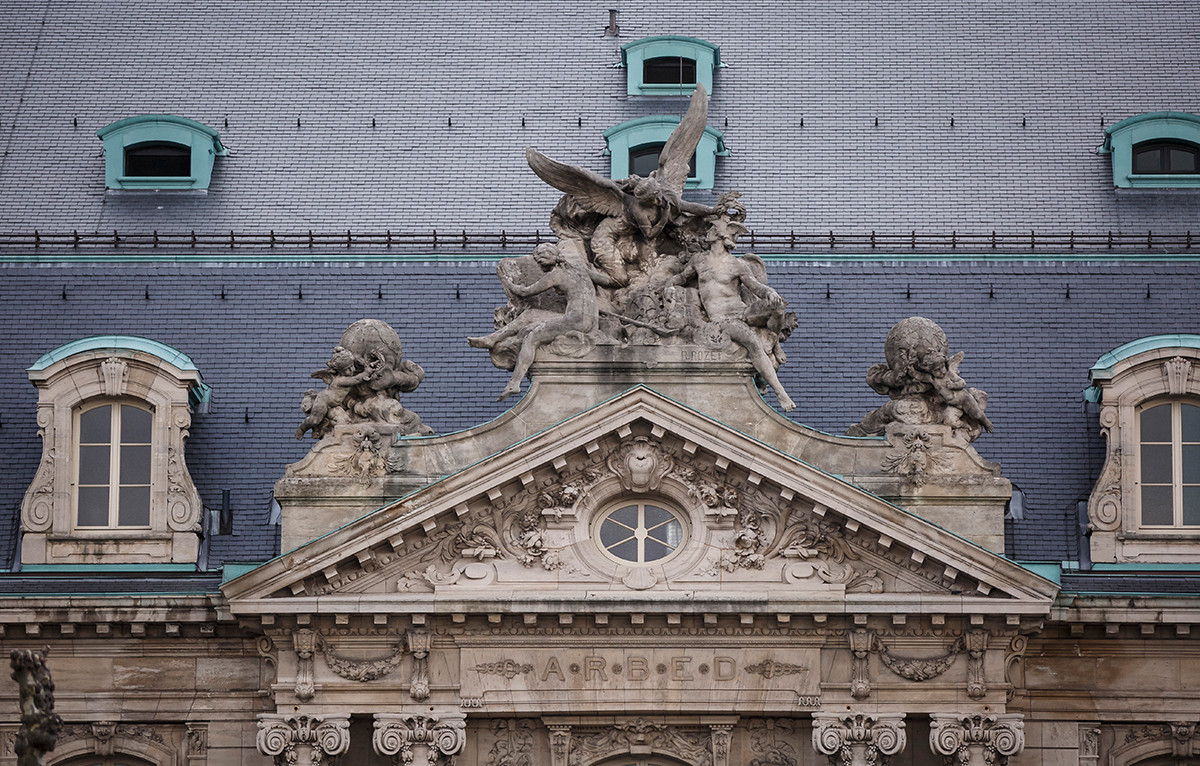
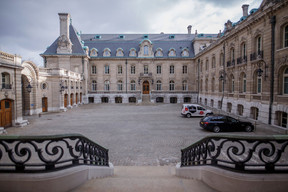
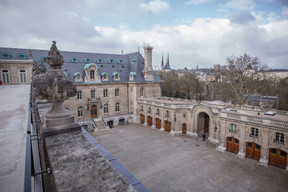
The site of what is commonly referred to as the Arbed building--named after the steel company that built it--could have housed a national museum or court buildings under early plans for the terrain. But in 1919, the state instead sold the plot to Arbed.
The steel company was forged out of three businesses during the boom of the early 1900s. Production in the country rose from around 145,000 tonnes of steel in 1900 to more than 1.1m tonnes by 1913. Steelworks in Burbach, Eich and Dudelange merged to form Arbed in 1911.
The post-WW1 years saw Arbed expand into Belgium and Germany and the company crowned its success with a worthy headquarters on one of the capital’s main thoroughfares, located right between the central train station and the Spuerkeess in Place de Metz. Both of those buildings opened in 1913, ten years after the Adolphe bridge connected the capital’s two plateaus.
With more than 15,000m2 of surface area the building featured not only offices but also smoking rooms, a restaurant, library and gym, and a “jeu de quilles”, or skittles alley when it opened.
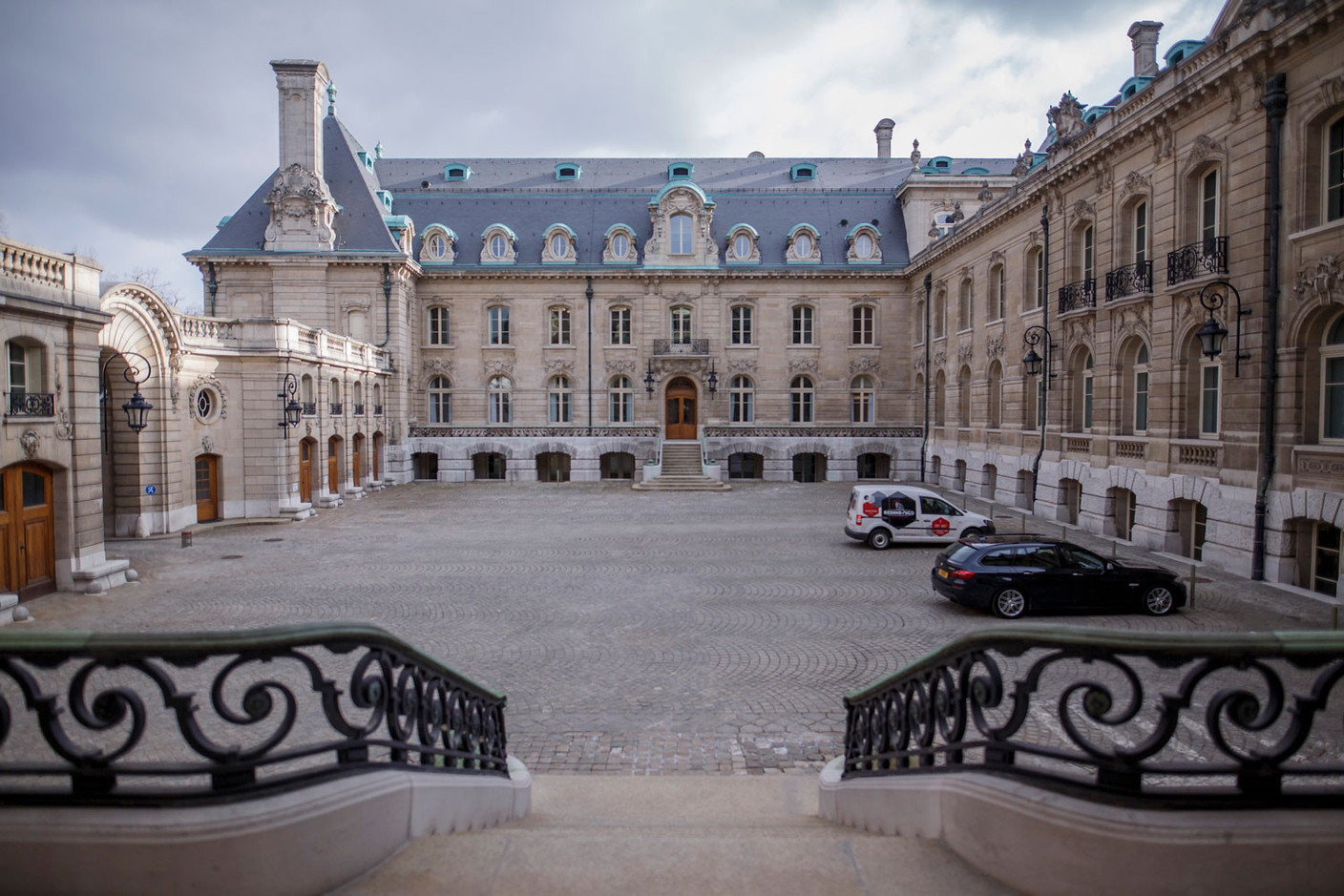
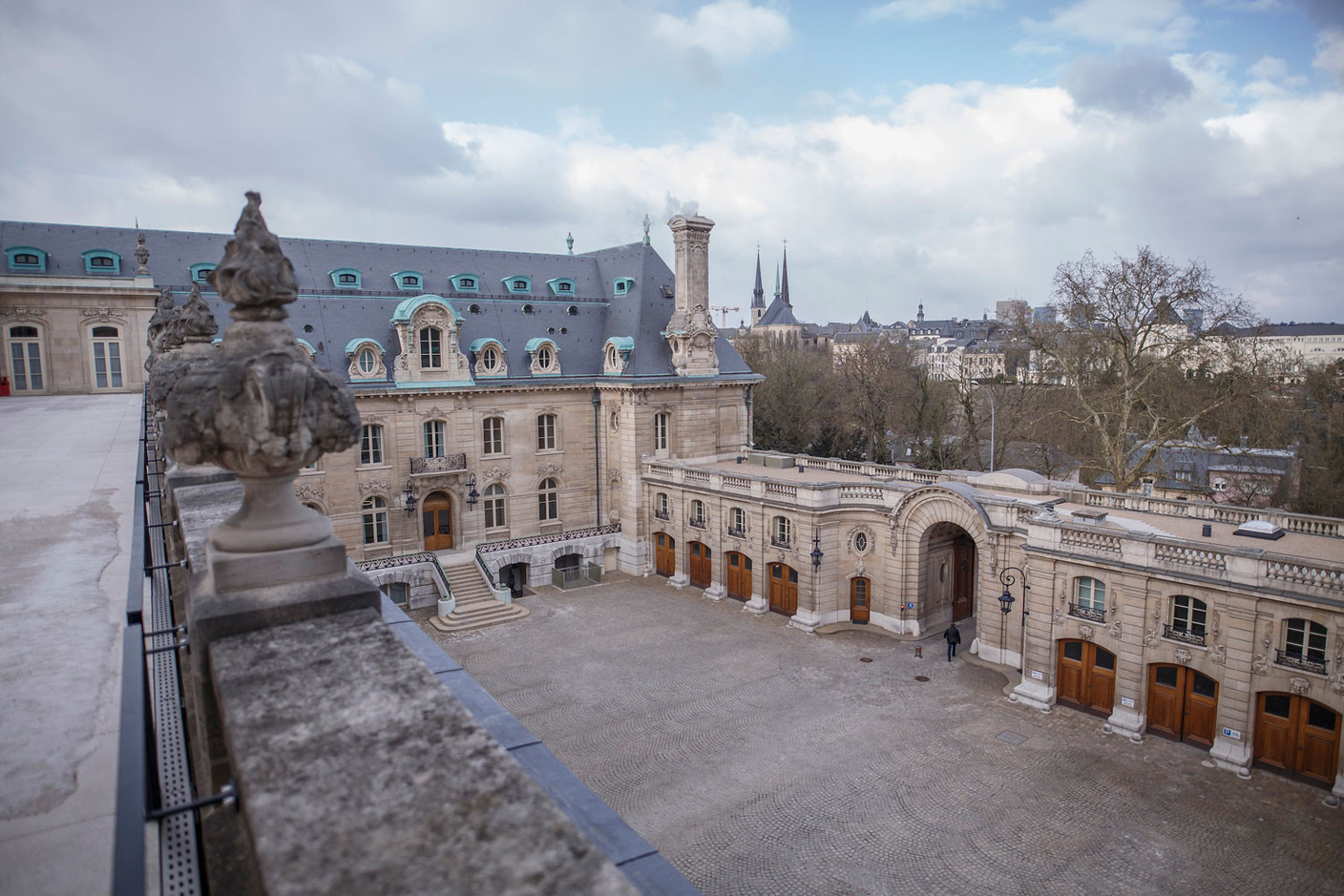
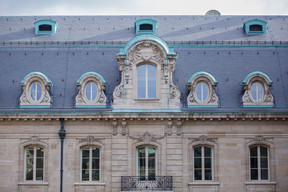
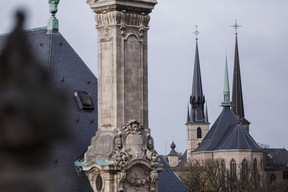
Inspired by the châteaux of the 17th and 18th centuries, French architect René Théry designed the grand structure. But while its style might be reminiscent of the past, its main entrance pays homage to industry and science.
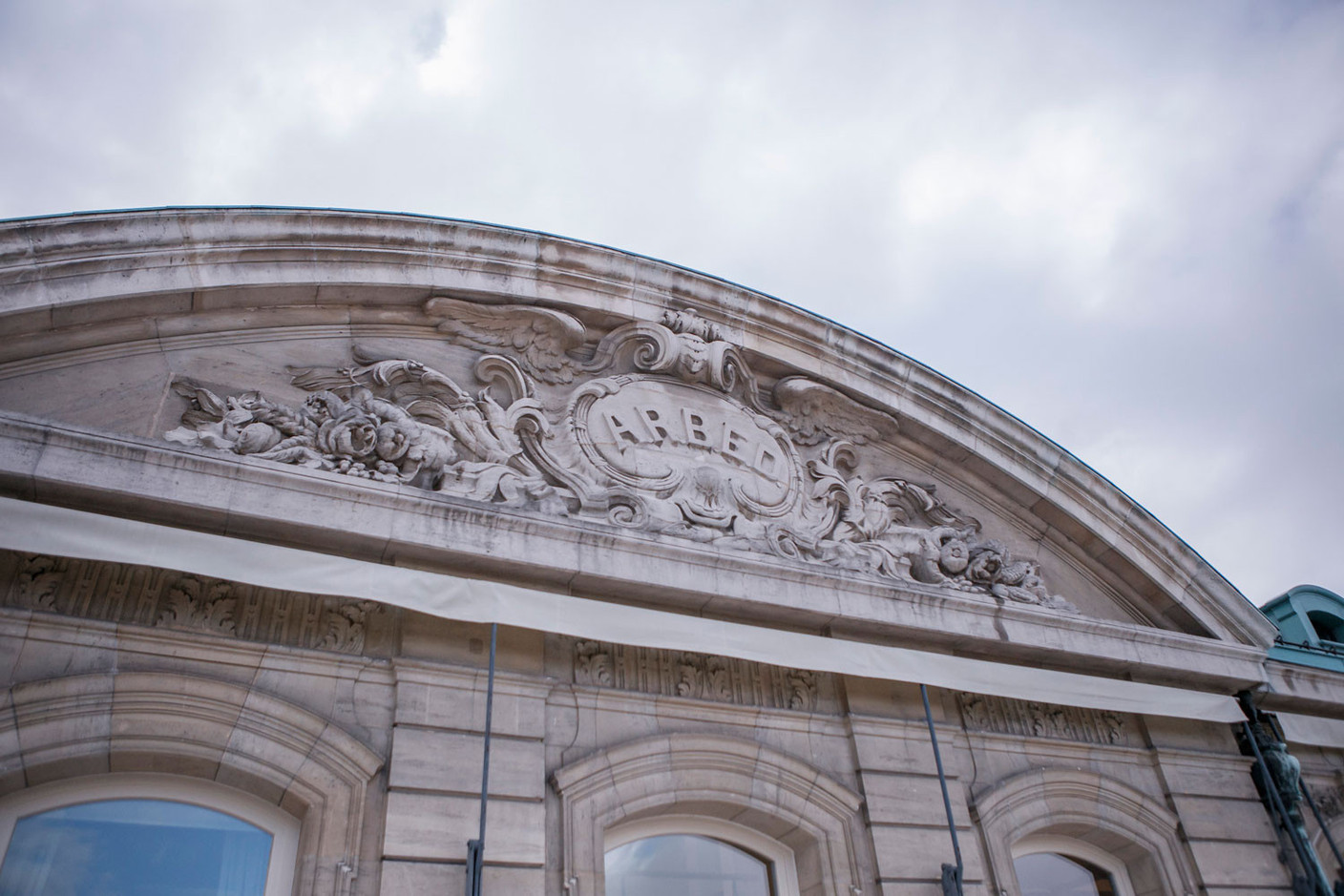
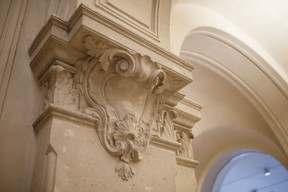
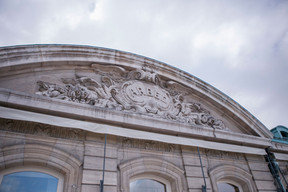
Mercury, the god of financial gain and commerce, is crowned by Victoria, goddess of victory, in a sculpture above the main doors. Cherubs carrying globes symbolise the reach of the company while cogs and coins lie at their feet.
The Spuerkeess took around 18 months to refurbish the building before its grand re-opening in July 2016. But the building’s future had been anything but certain before the bank bought it in 2014.
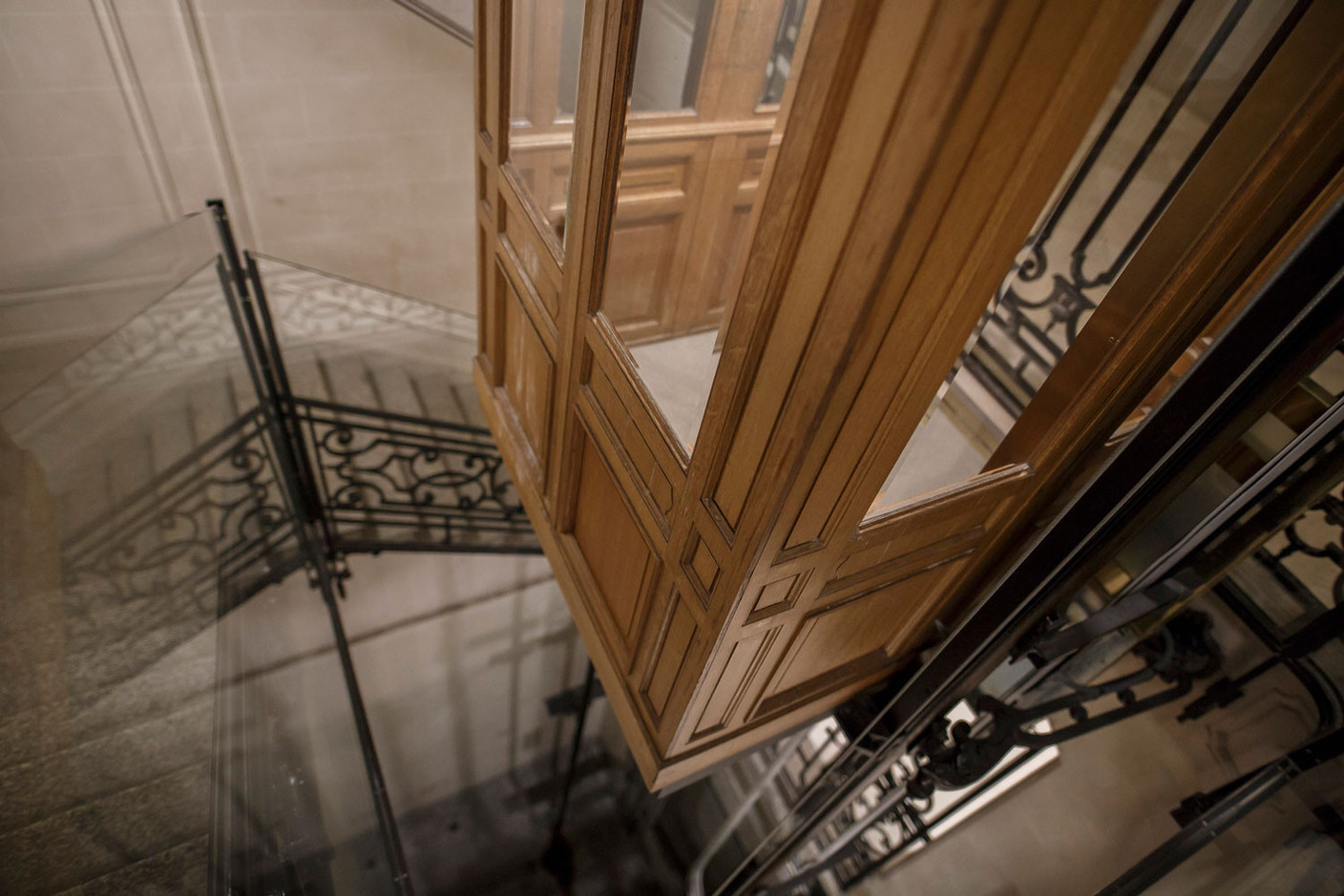
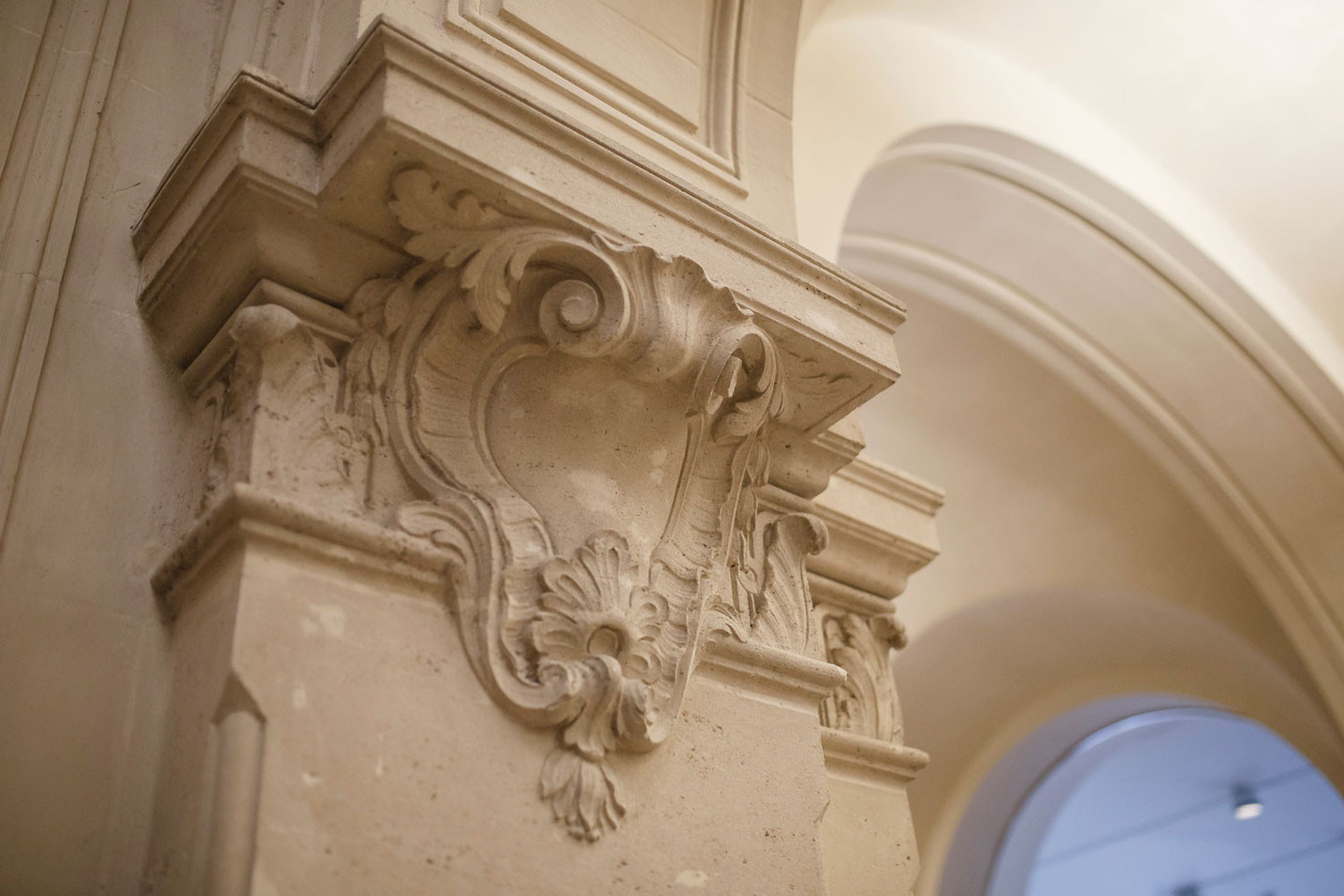
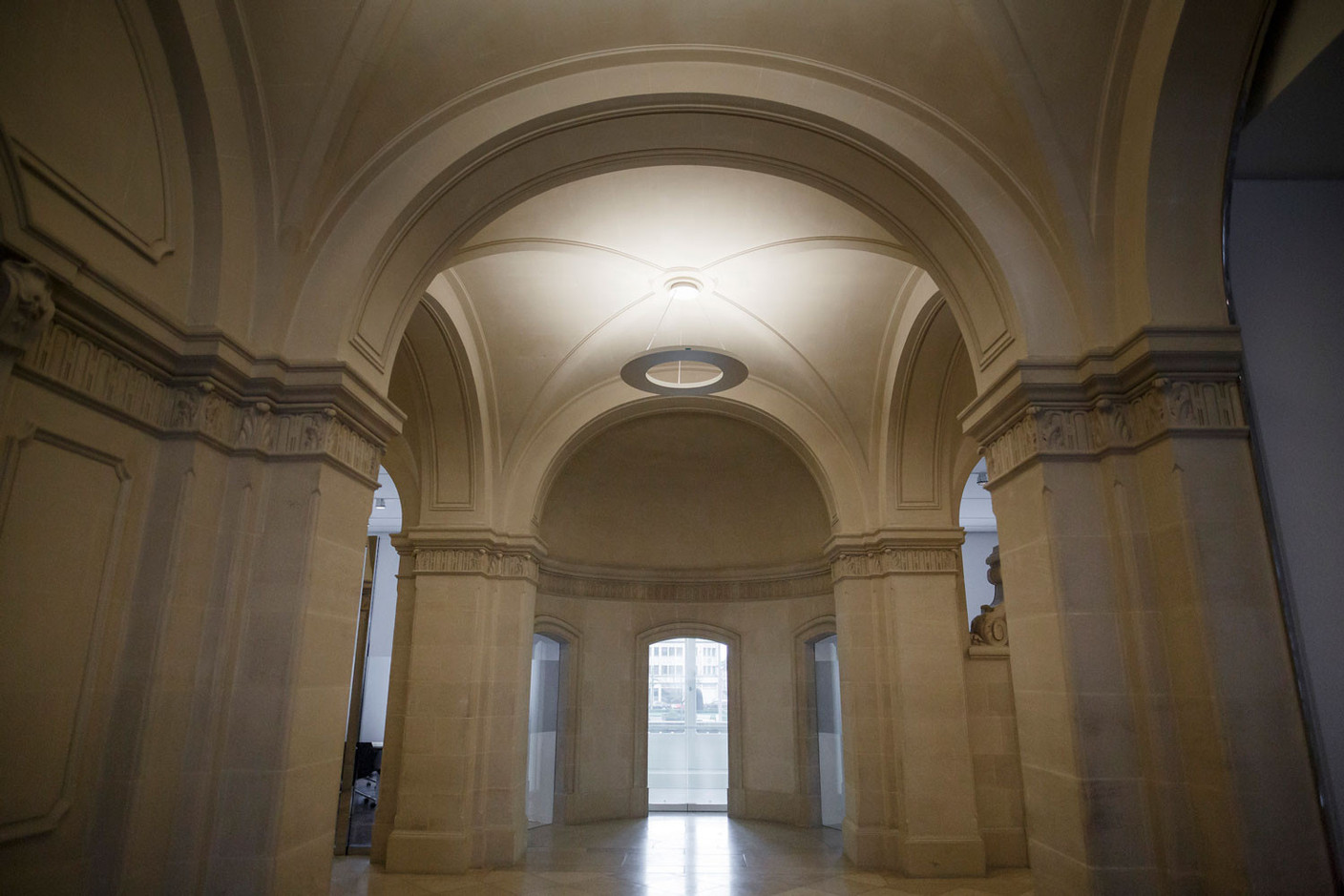
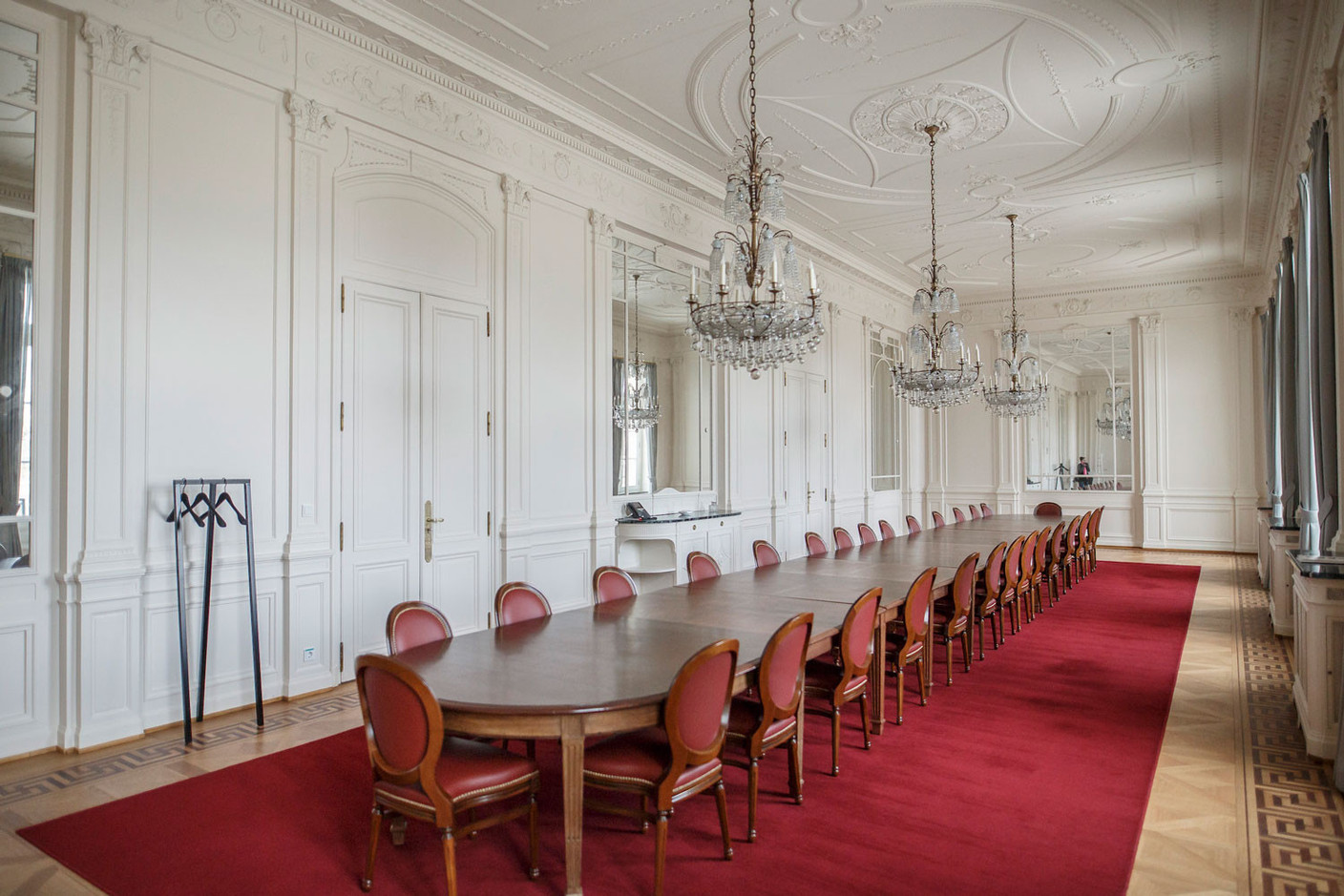
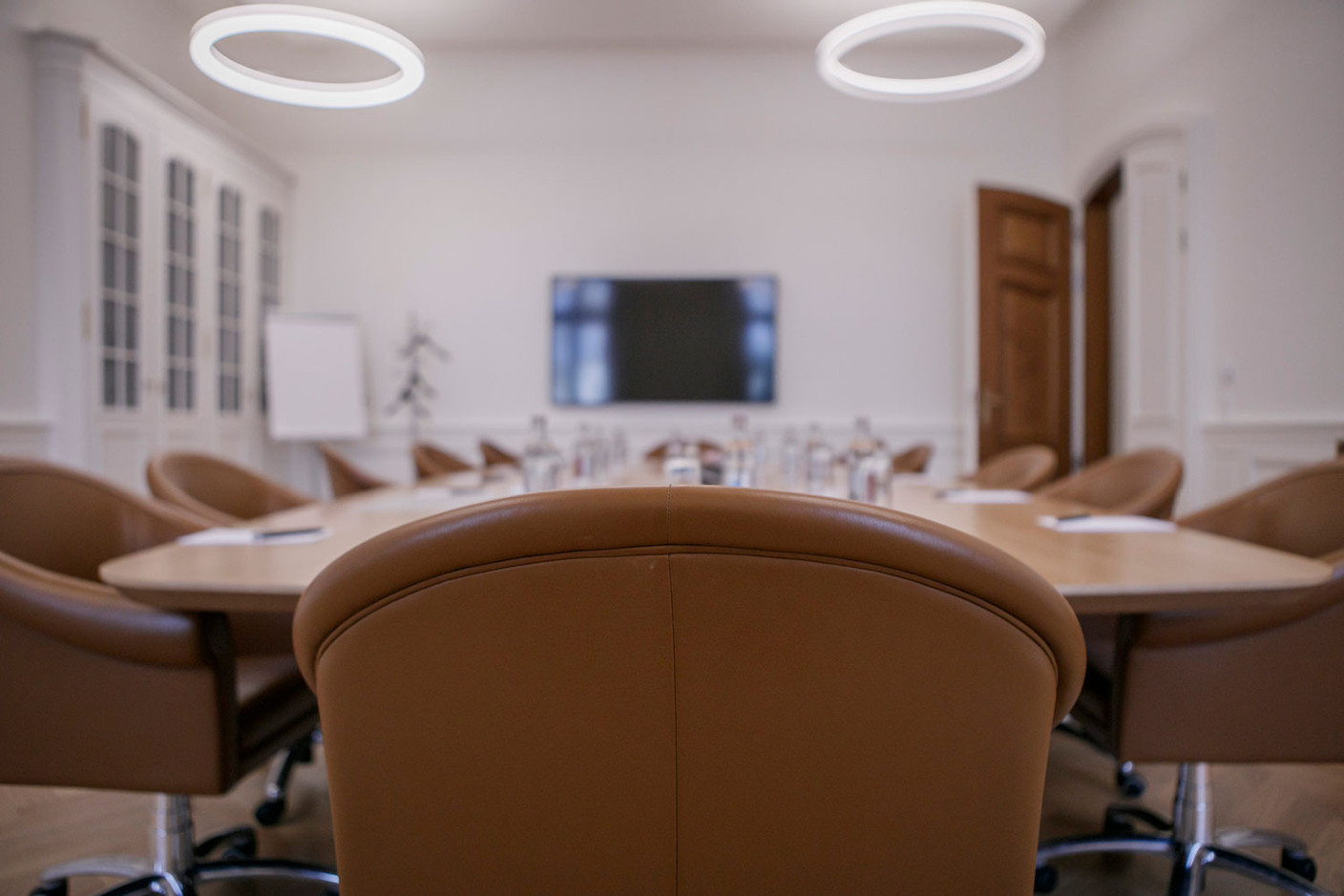
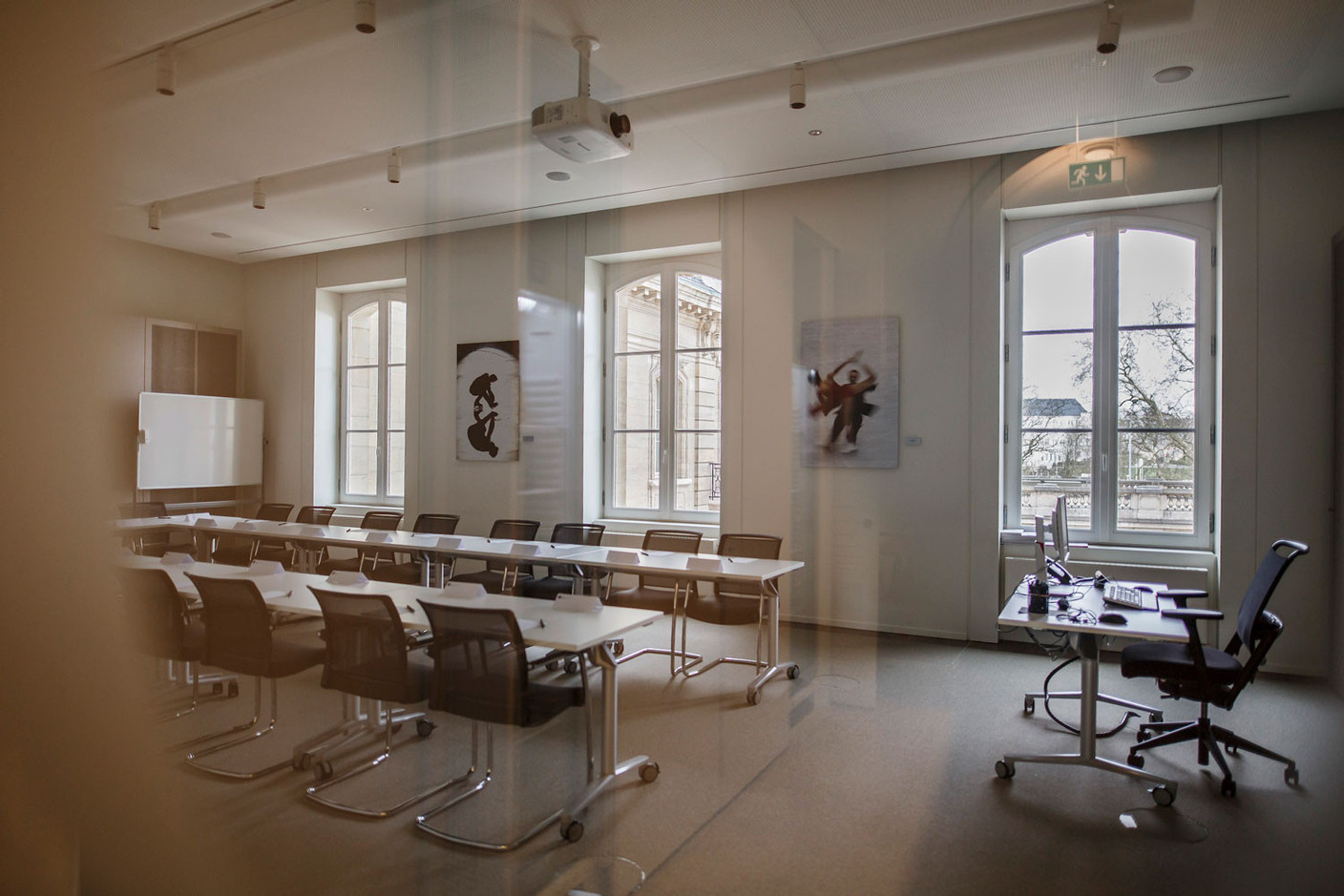
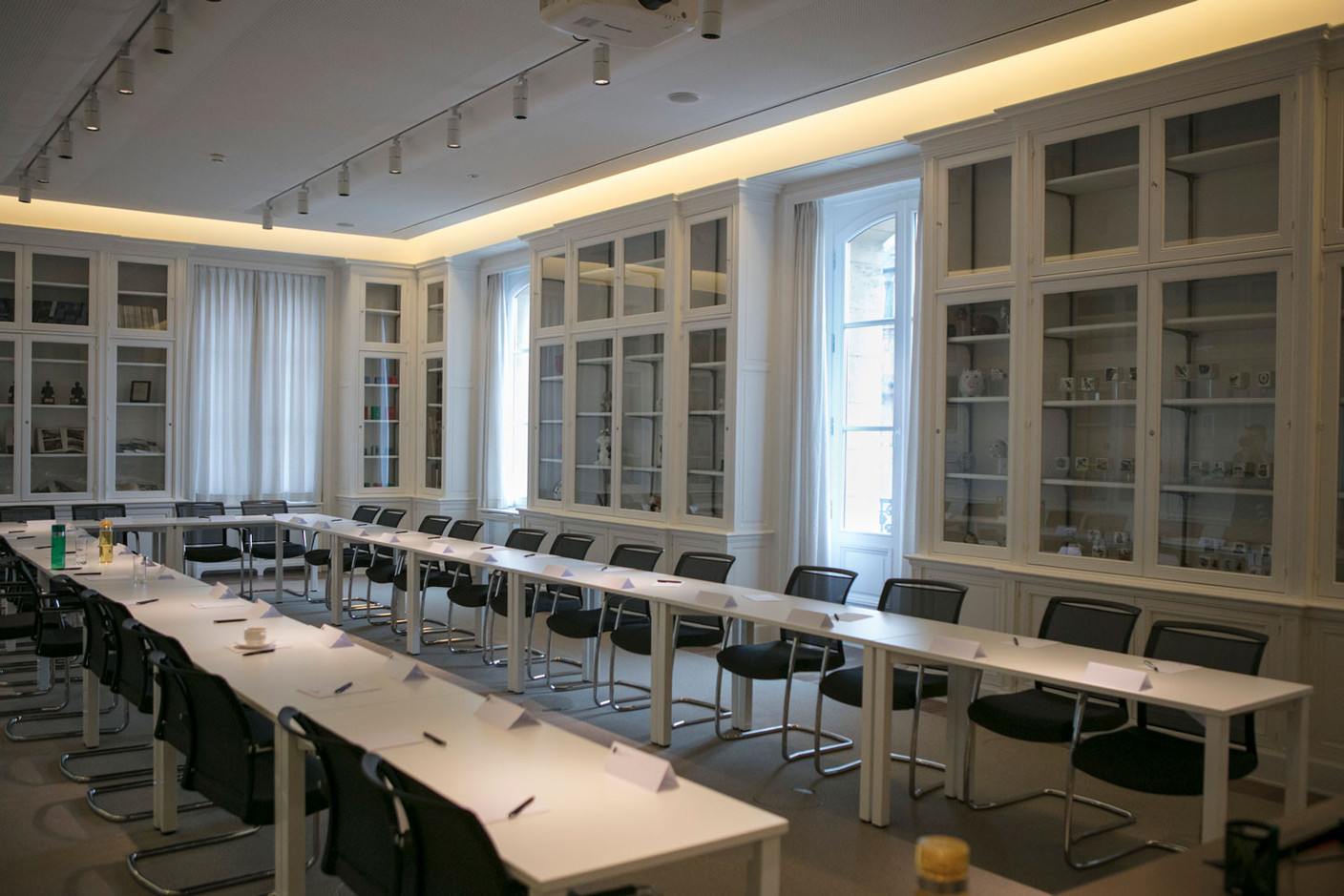
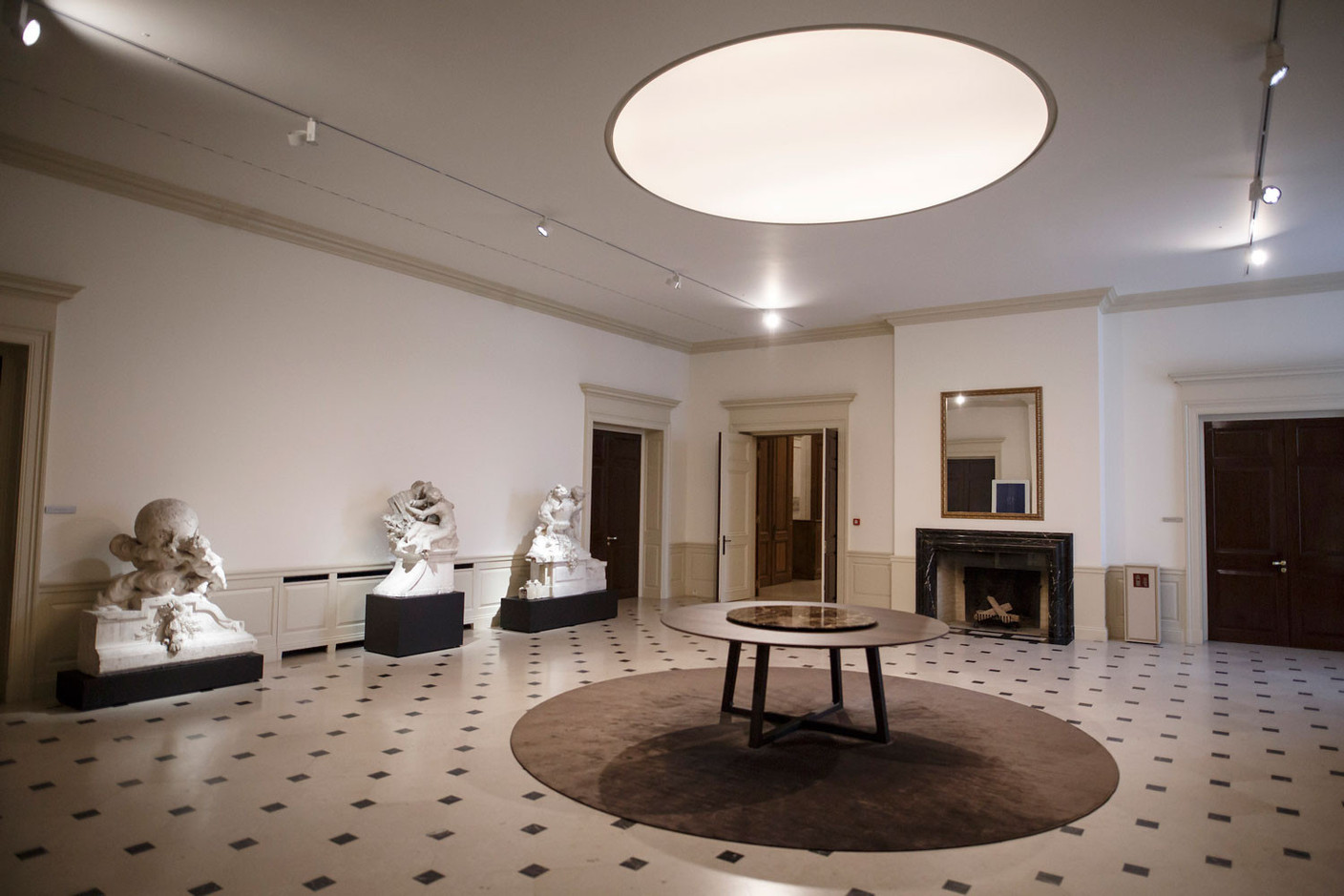

ArcelorMittal--the successor of Arbed through several mergers--moved out of the historic HQ in 2013 because of the high cost of maintaining the building. Labour unions slammed the decision as soulless and accused ArcelorMittal’s Indian owners of disrespecting their company’s heritage.
Prime minister Xavier Bettel (DP) said the government would not purchase the building following calls by members of parliament to turn the site into a cultural venue, such as a library or museum. Rumours circulated of plans for a hotel, or a mixed-use space with offices, restaurants and boutiques.
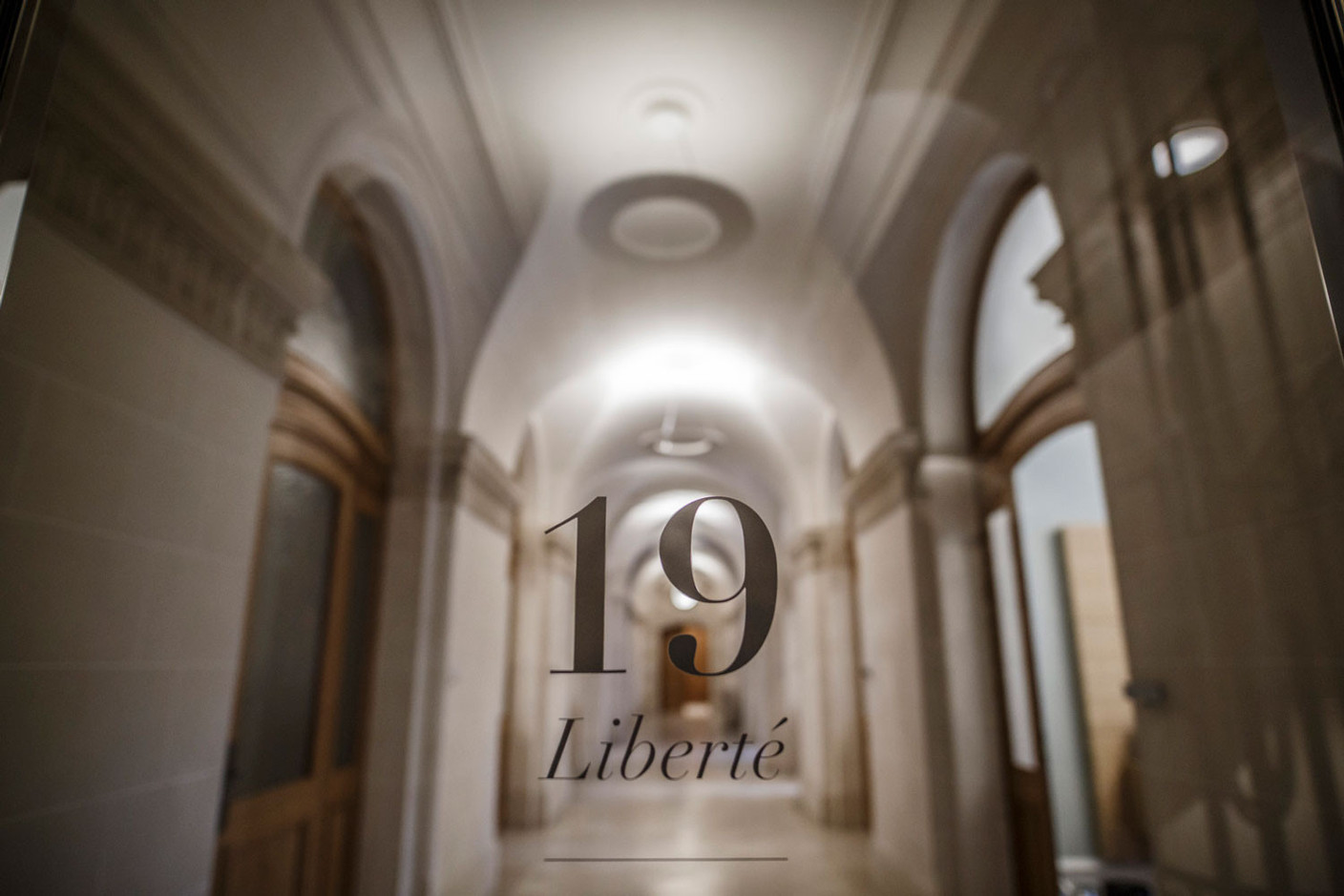
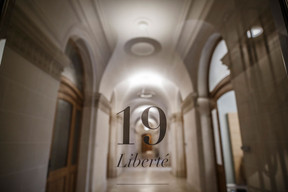
While it decided not to buy the building, the government listed it as a national monument, limiting refurbishing options for potential buyers. But the controversy is long a thing of the past since the Spuerkeess moved some of its marketing, private banking and branch management to the site, now called 19 Liberté. Much like Luxembourg’s economy moved from steel to finance, so has this iconic building transitioned.
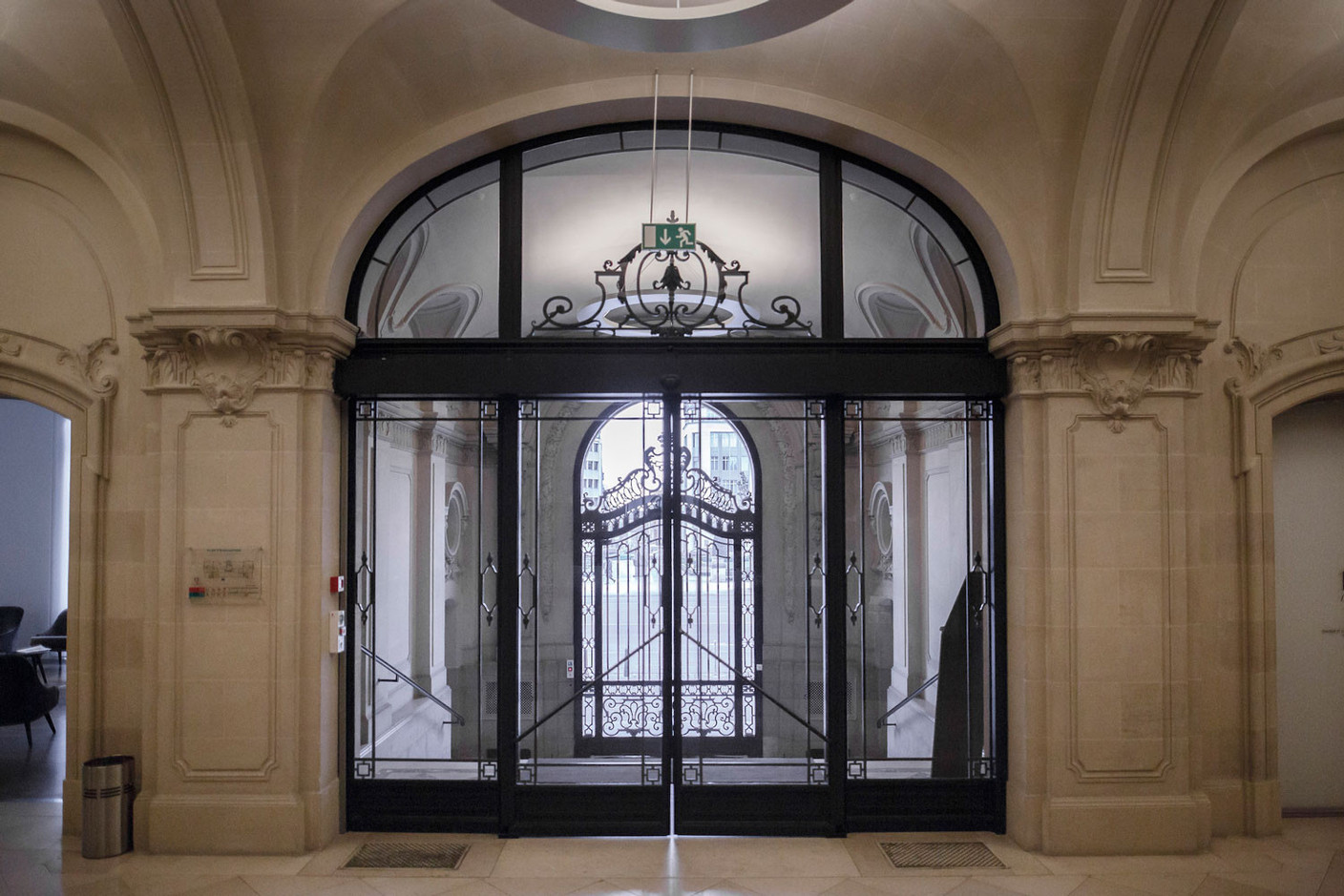
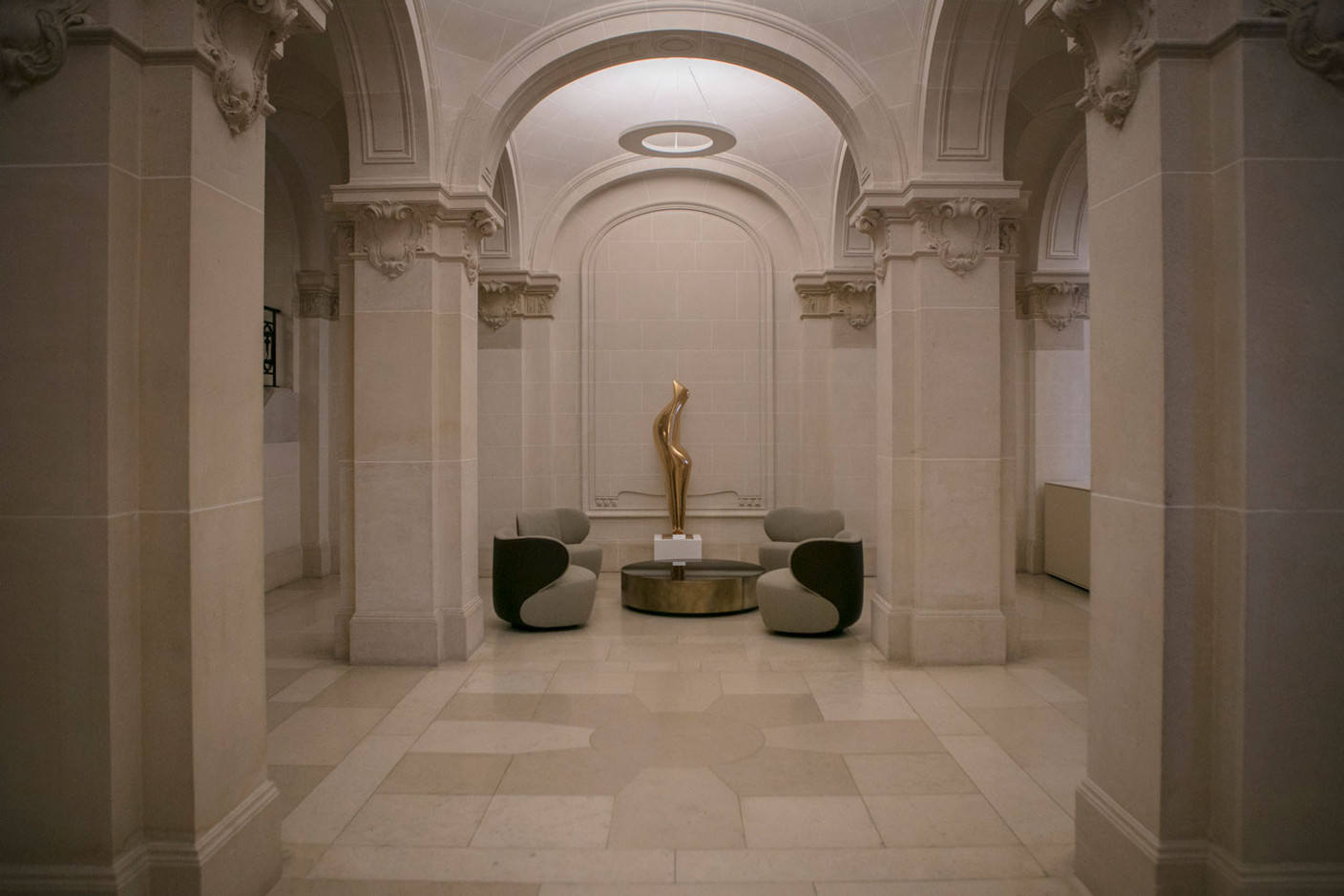
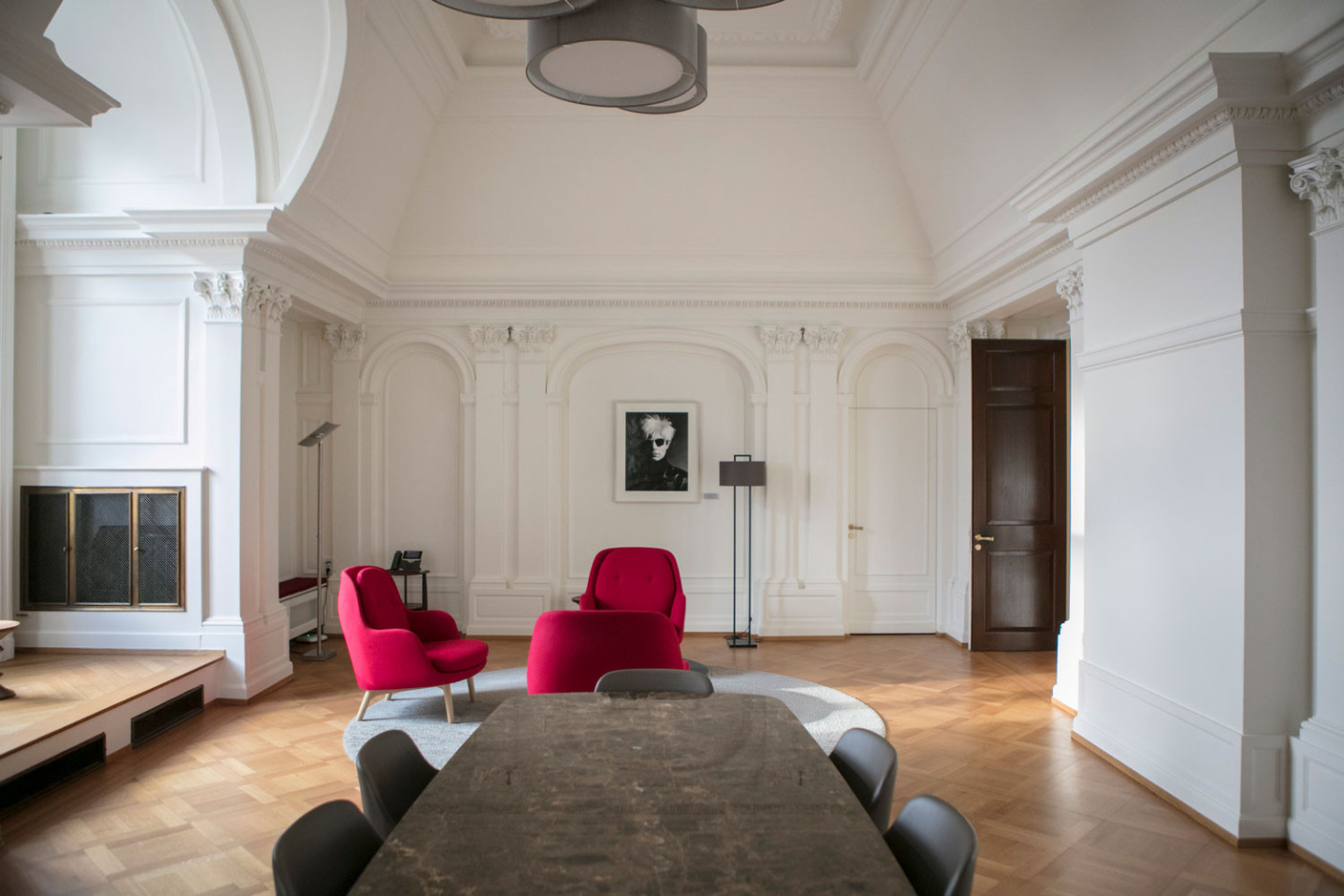
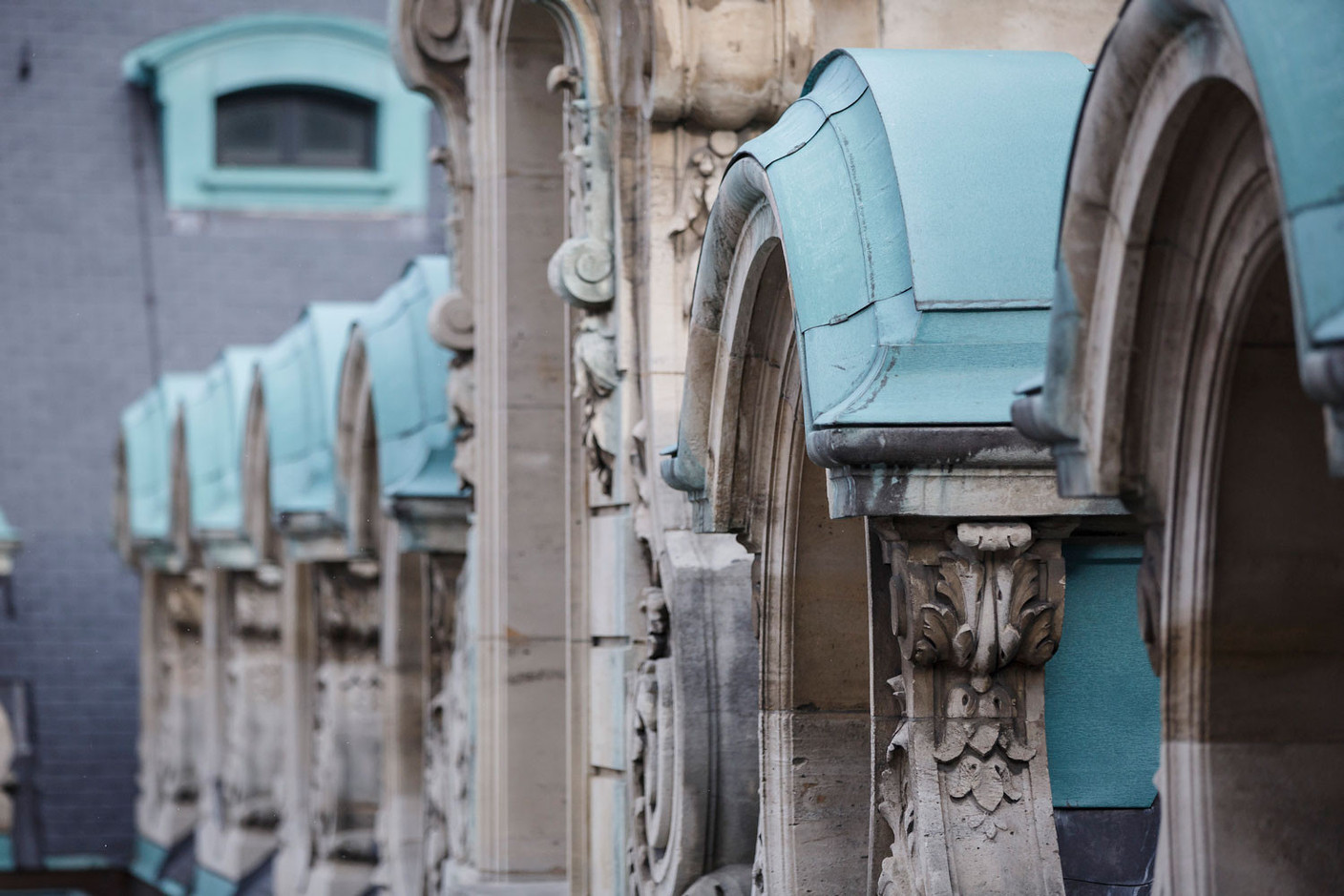
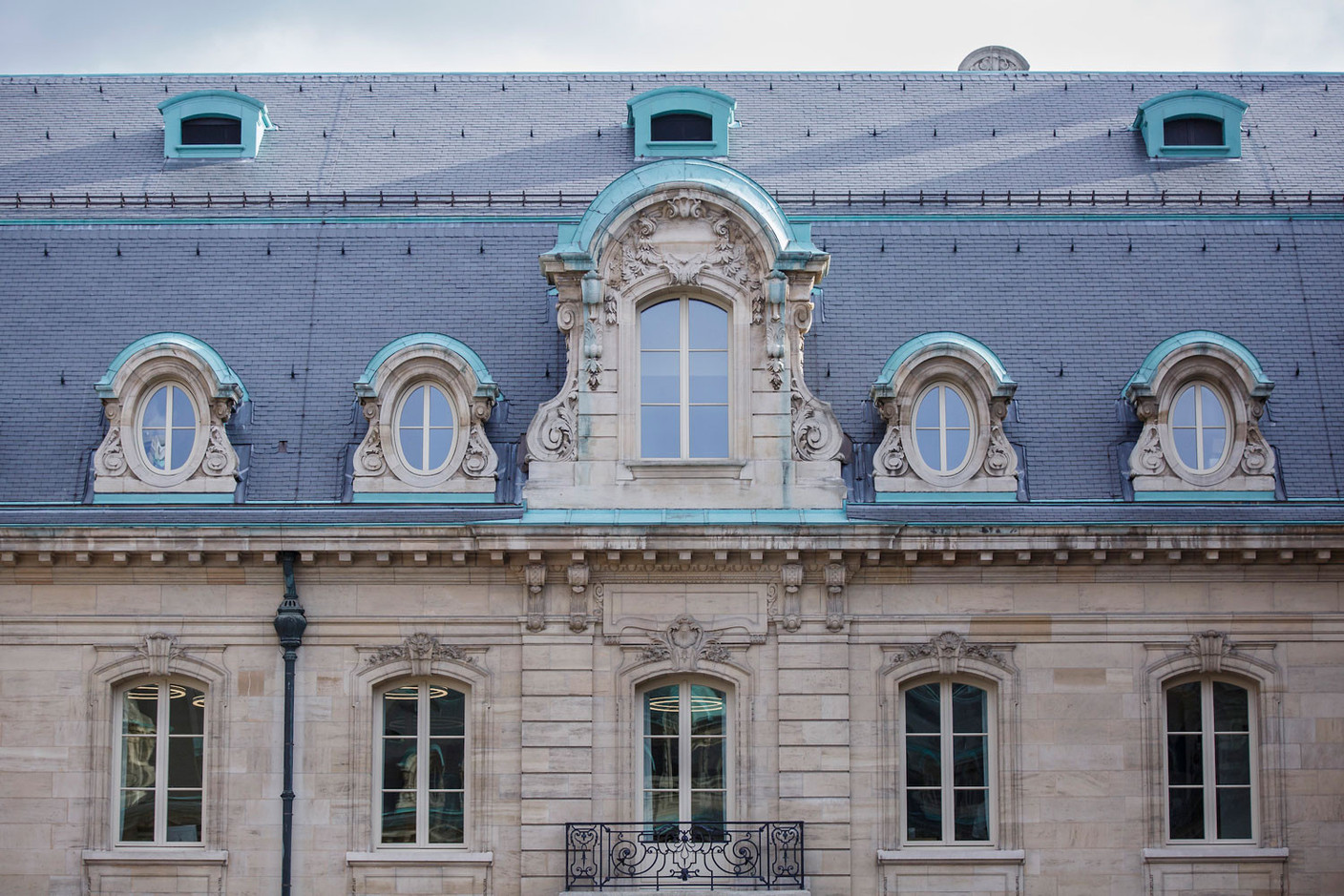
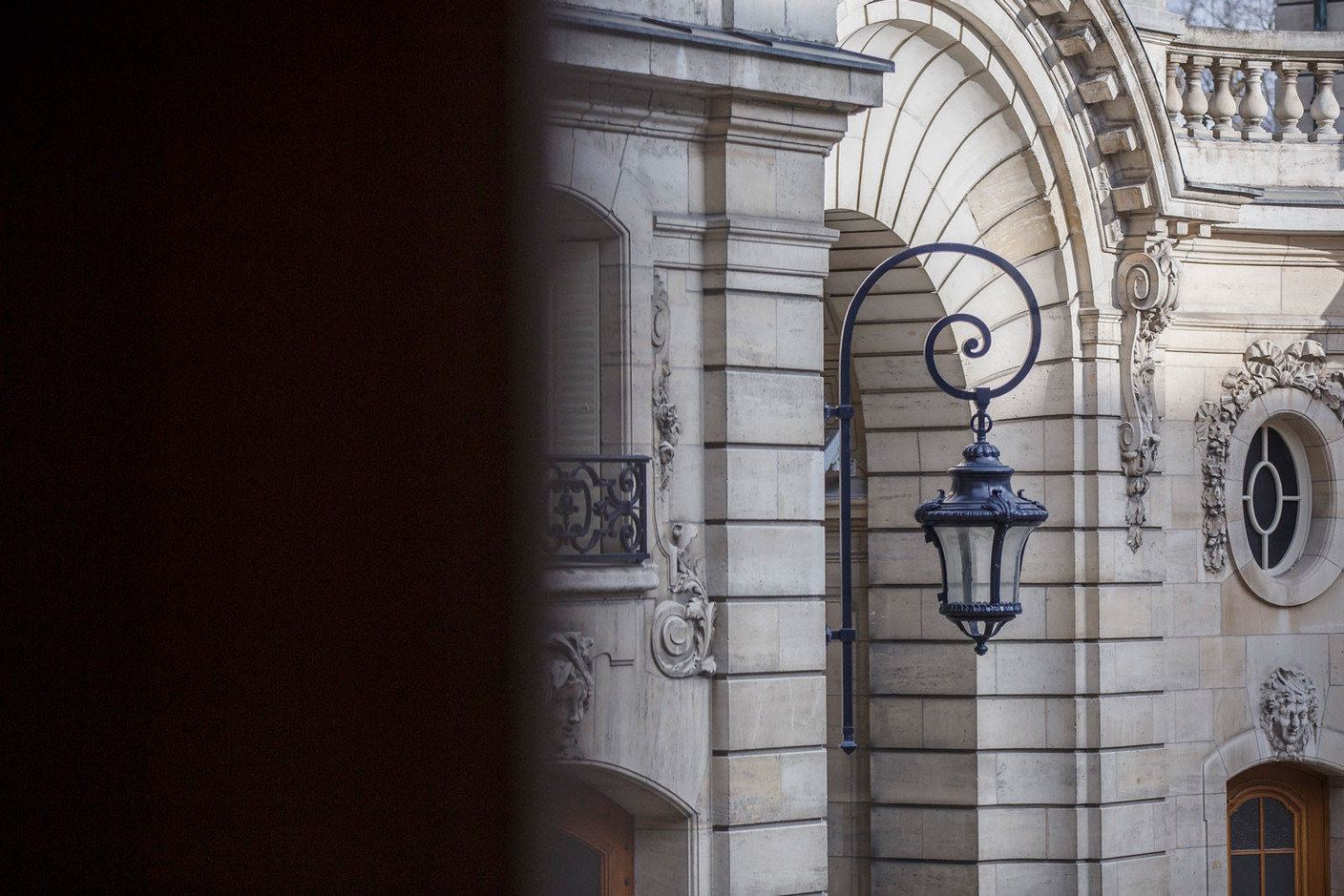
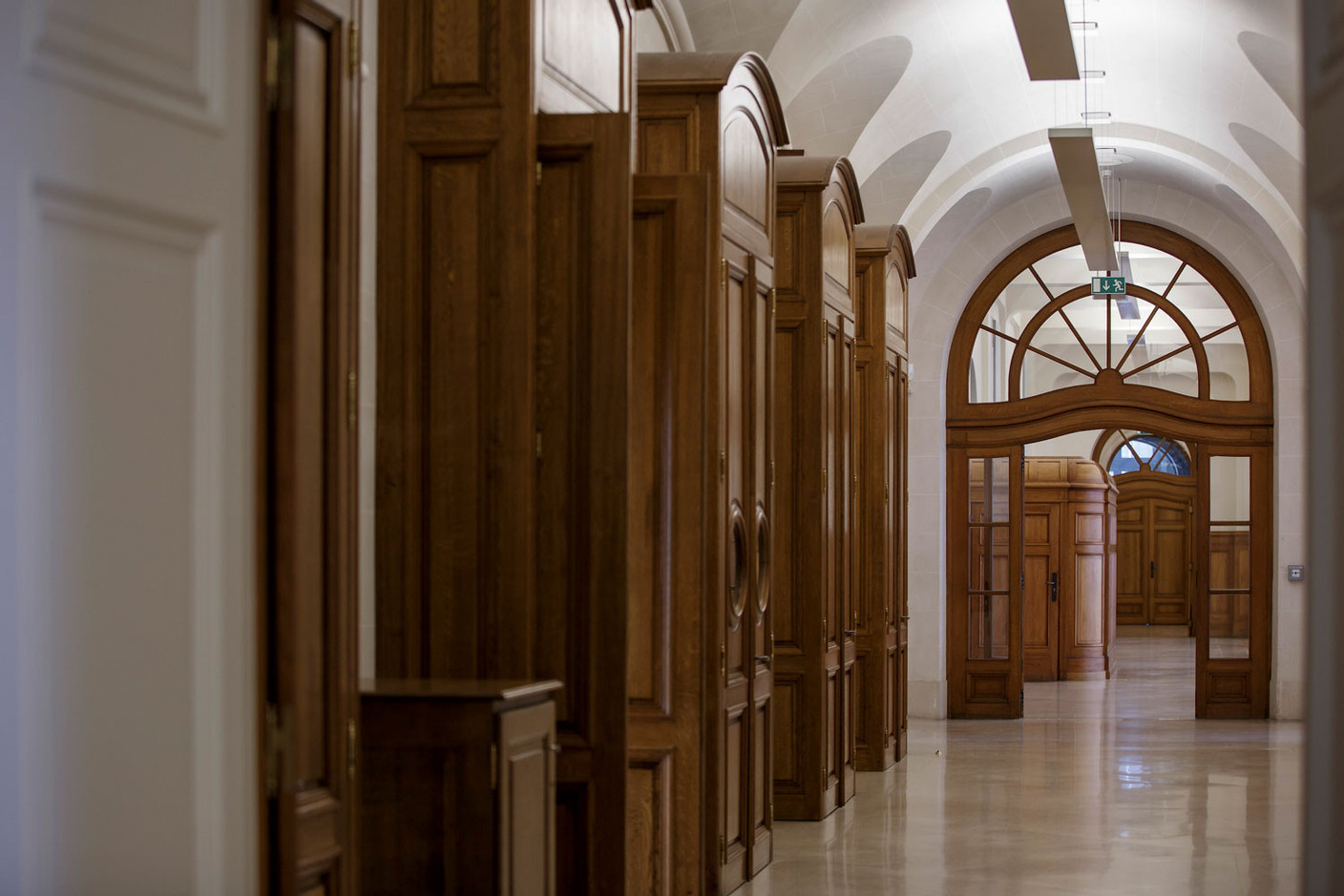
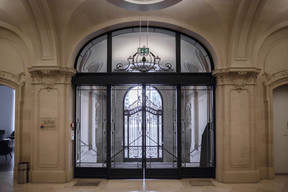
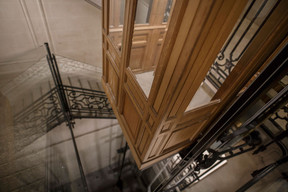
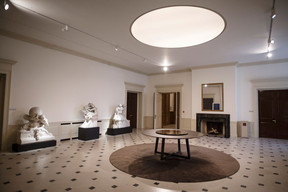
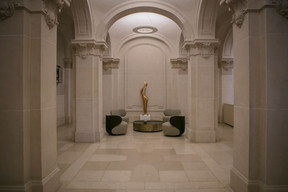
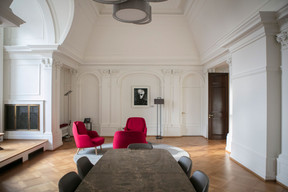
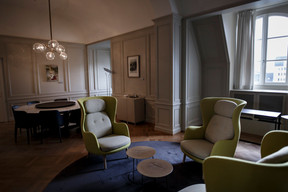
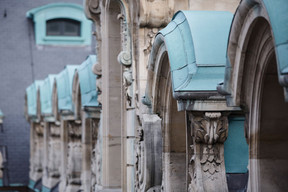
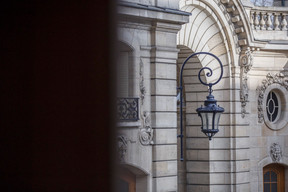
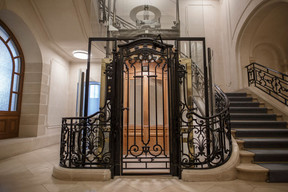
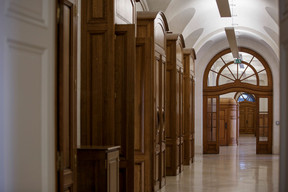
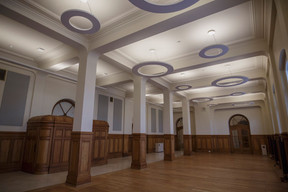
The national monument status brings with it conservation obligations. Everything from the varnish used on the solid oak doors to the doors’ brass handles, fire extinguishers and lighting must be in keeping with the building’s architecture and interior design. A monumental task of the refurbishment was the retiling of the slate roof, which covers more than 4,300m2.
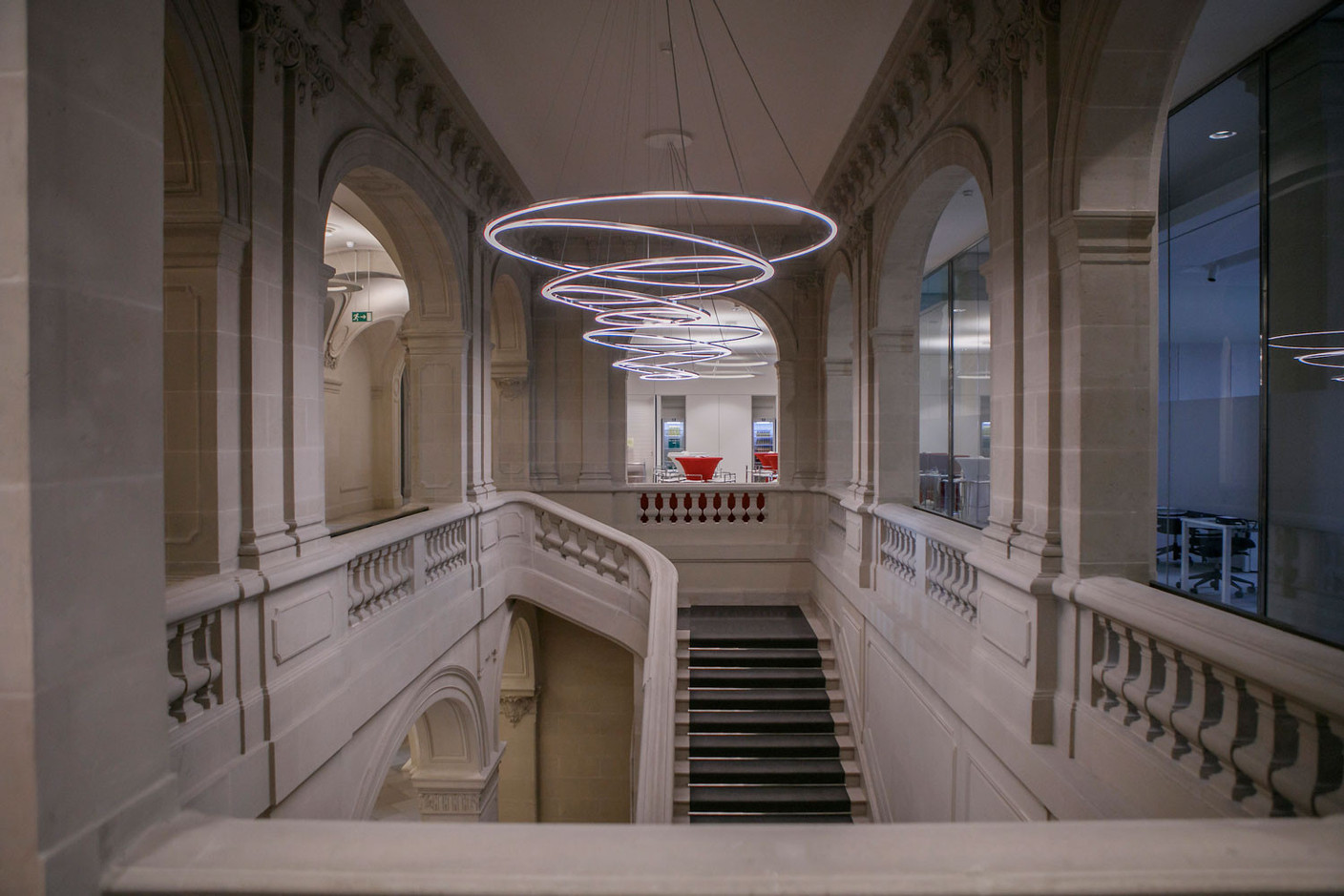
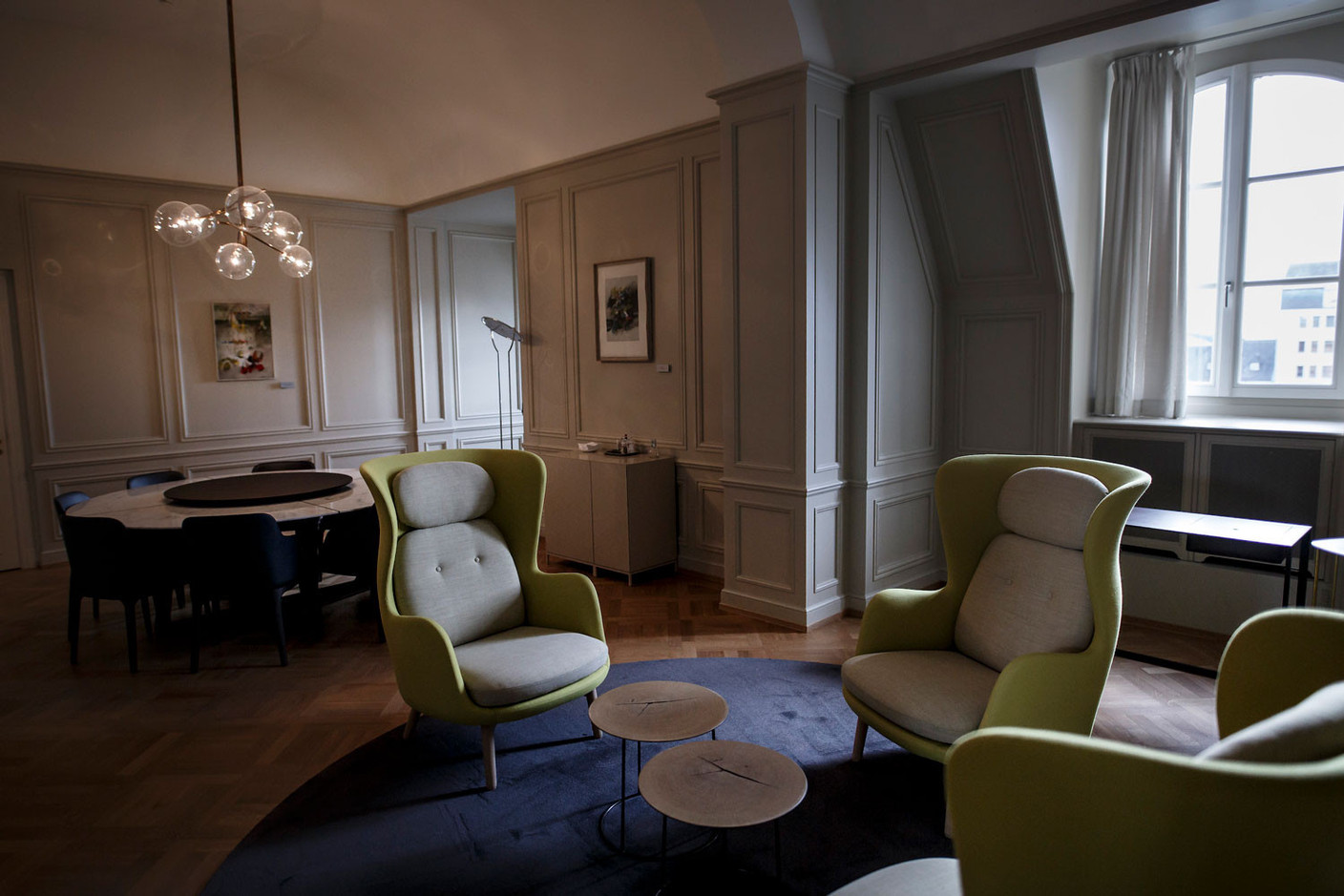
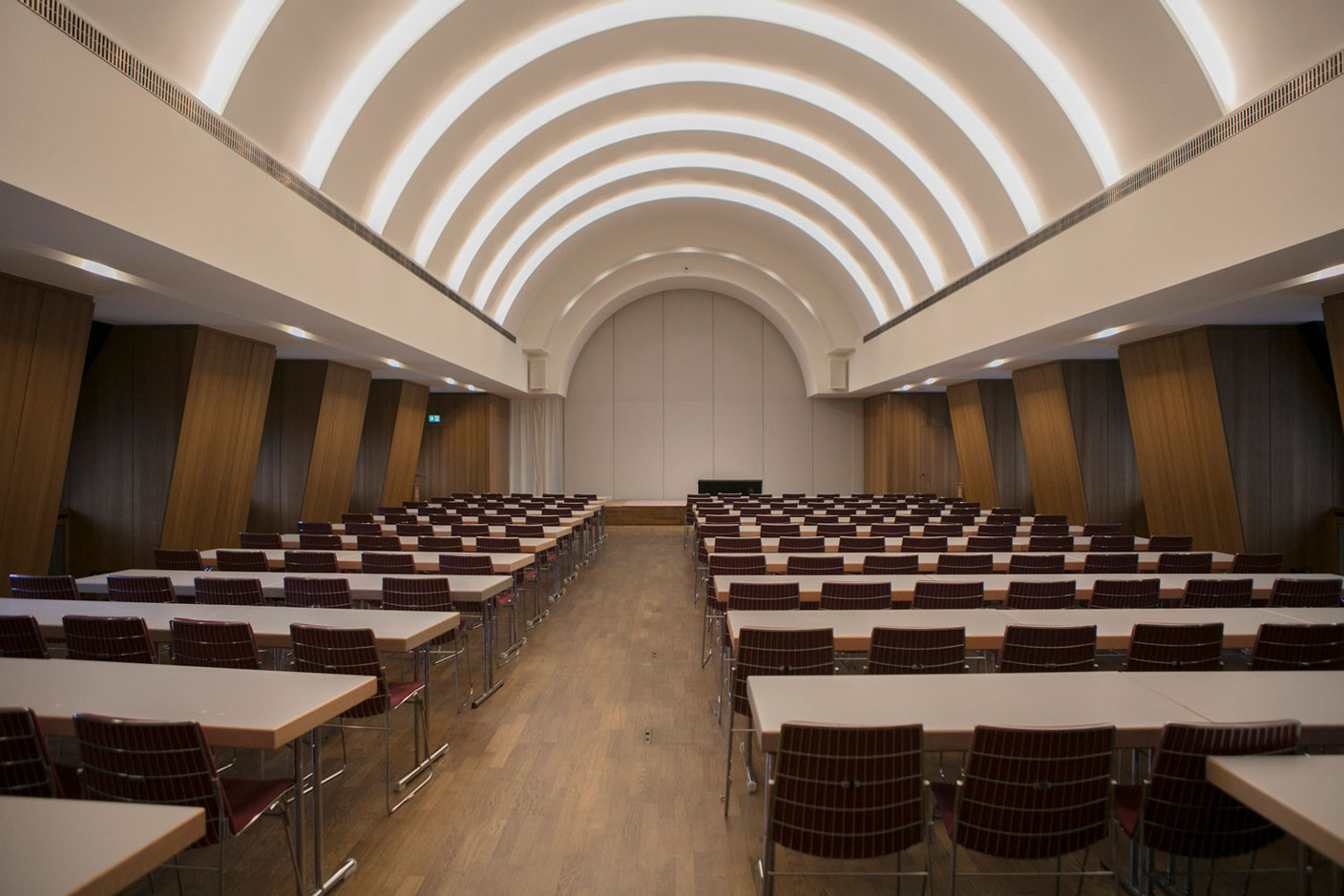
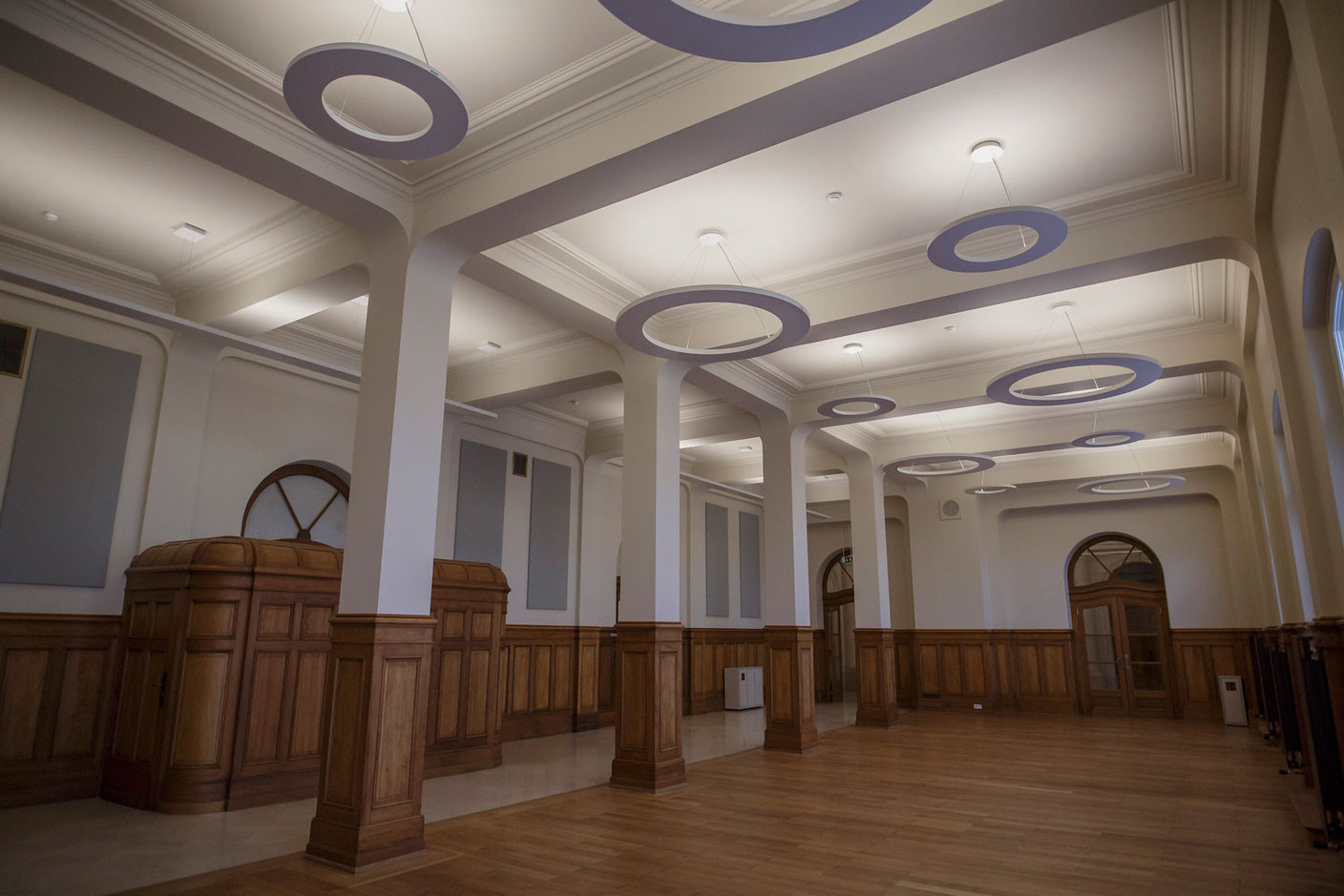
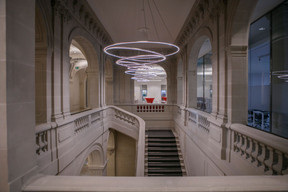
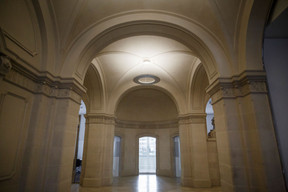
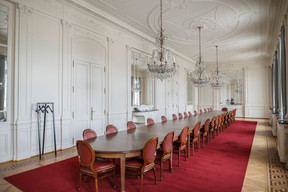
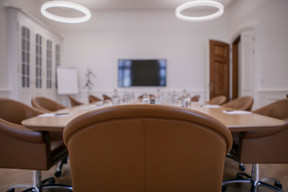
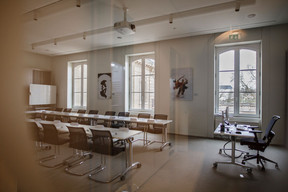
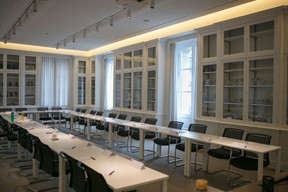
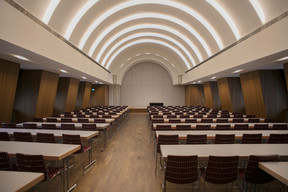
Hundreds of metres of cables had to be installed for modern IT infrastructure without leaving visible traces in the stone interior. Bathrooms, lifts, kitchen spaces--upgrades were needed all around. New lighting fixture illuminates the otherwise somewhat dark, stone corridors and the contemporary furniture adds a modern twist to the historic setting.
“A jewel of Luxembourg's industrial and architectural heritage has gone from hibernation to renewal,” said CEO Françoise Thoma at the reopening in 2016.