93% of the country’s craft businesses expect their sales to stagnate or fall in 2024. 44% expect profitability to fall this year. In other words, the situation remains fragile in the craft sector, in a global context marked by economic uncertainty and geopolitical upheaval. “The latest business survey shows that in the first quarter, the craft sector remains under considerable pressure, impacted by unfavourable market conditions,” summarises the Chamber of Skilled Trades and Crafts (Chambre des métiers) in the introduction to its report, published 24 May 2024.
“For two-thirds of craft businesses, nominal sales growth has failed to outstrip inflation, leading to stagnation or an actual reduction in income in real terms,” the chamber points out. It also notes that 68% of businesses are therefore forced to draw on their financial reserves, further exacerbating the economic pressure.
(Almost) all sectors slowing down
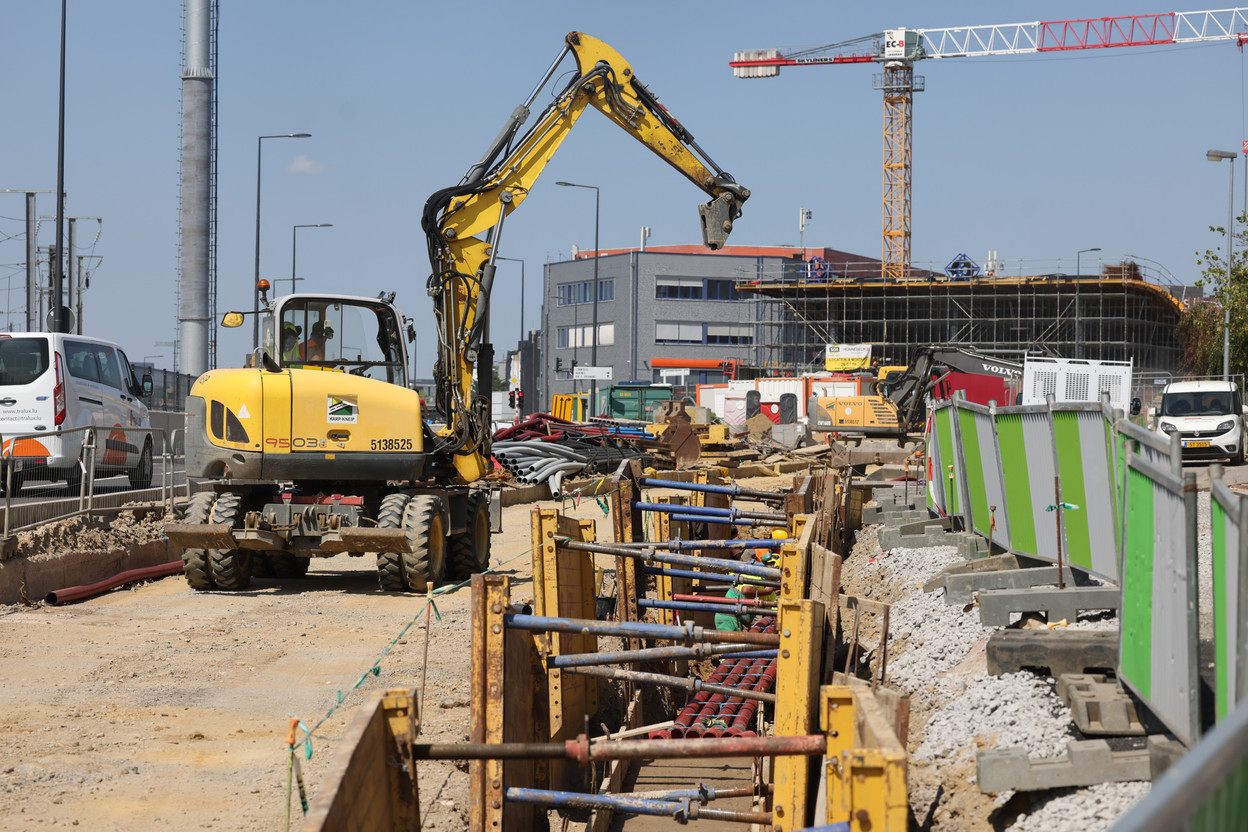
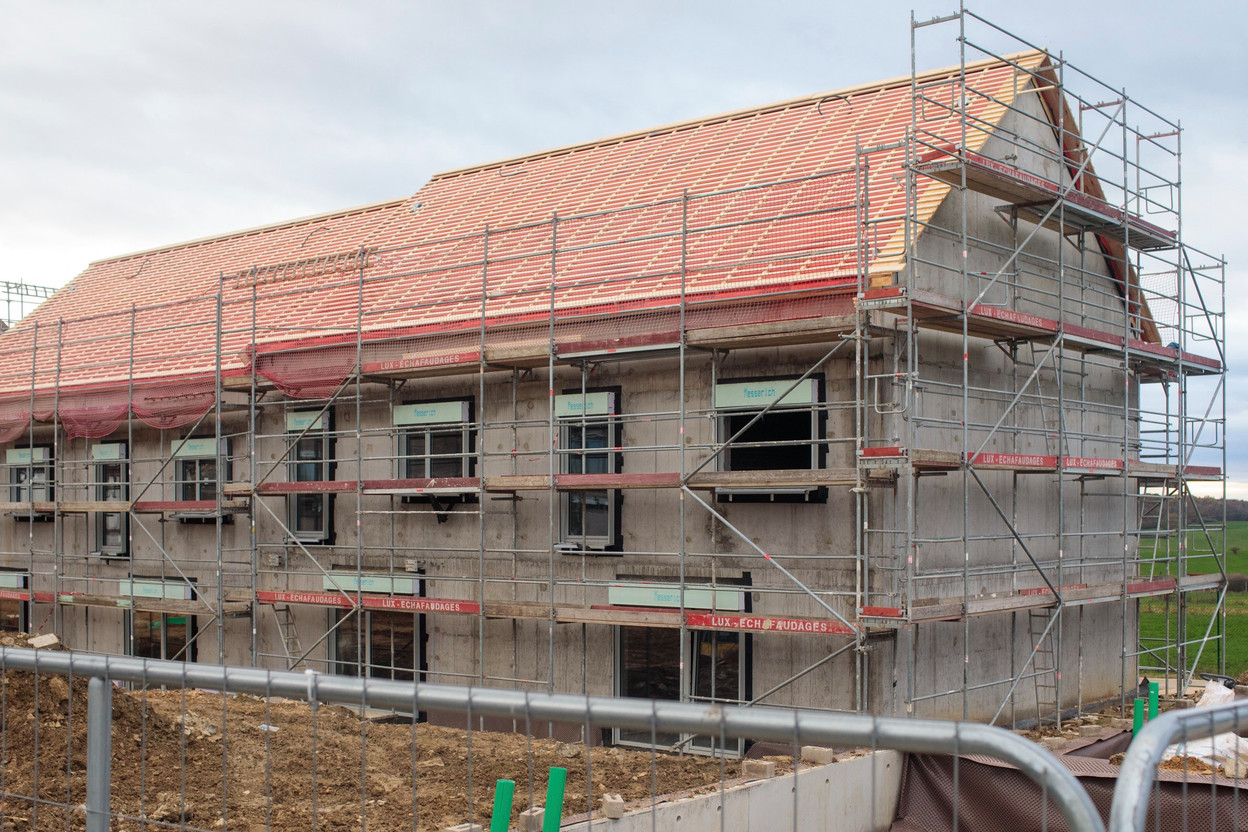
Among craft businesses, construction companies continue to be very hard hit by the economic situation, both because of the significant reduction in the volume of building permits and because of the sharp fall in the number of sales before completion (vente en état futur d’achèvement, VEFA), indicating a marked slowdown in activity in the short and medium term. “Analysis of the construction sector shows a continuation of the downward trend, with the activity indicator falling to -25 points in the first quarter of 2024,” the report explains.
This trend has consequences in terms of employment. Data provided by the General Inspectorate of Social Security (IGSS) show that in the second half of 2023, the construction sector suffered a loss of 2,108 employees, coupled with a significant fall in overtime and the number of temporary workers. In addition, around a third of construction companies are planning to reduce their workforce in 2024 by, for example, not replacing departures.
Read also
As for the measures recently announced by the government to revive the property market, they are “deemed insufficient by more than half of builders,” notes the Chamber of Skilled Trades and Crafts, which says these measures “are not currently enabling new construction projects to be launched.”
As in construction, the building and civil engineering sector also saw its activity indicator fall drastically, to -42 points in the first quarter, but a minor improvement is hoped for in the second half of the year. Equally weakened is the automotive sector, for which the situation seems to have worsened still further. Its activity indicator stood at -3 points in the first quarter of 2024. “A climate of uncertainty on the part of both professional and private customers largely explains this stagnation. As for the forecasts, they indicate a continuation of the downward trend, with an indicator of -4 points for the second quarter of 2024, illustrating a continuing decline in business confidence and potential demand,” the document says. Other sectors such as fashion, health and hygiene (FHH) are also in a delicate situation: “After continuing to recover, the FHH sector experienced a significant slowdown in the first quarter of 2024, with an activity indicator of -0.3 points, and business leaders in the sector are anticipating an even more unfavourable trend, with an indicator forecast at -5 points for the second quarter of 2024,” warns the report.
Prolonged recession
Unlike the others, the communications sector is faring slightly better. “It is currently demonstrating an ability to maintain relatively stable economic activity despite a very slight decline in activity compared to Q4 2023.” But the forecasts for the next six months of the year are less encouraging: a drop in activity is anticipated, which could be explained by the reduction in companies’ marketing budgets. “Nevertheless, a certain resilience in the sector seems to persist despite these challenges, illustrating a notable adaptability to economic and regulatory changes that could influence communication and marketing strategies in the future.”
The projections detailed by the chamber are consistent with this unfavourable economic climate. However, the activity indicator is not expected to fall any further for the rest of the year, and should remain at its current level in the second half. “The anticipated, but not guaranteed, overall fall in interest rates between now and the end of 2024 could offer some slight relief, although more significant easing of banking conditions is not expected before 2025”, adds the chamber.
More generally, the detailed data reflects a “prolonged recessionary environment with no immediate signs of improvement.”
This article was first published in French on Paperjam. It has been translated and edited for Delano.