After a record year in 2024, the activity of the European Consumer Centre (ECC) Luxembourg marks a slight decline. In 2025, the organisation registered 4,342 cases, compared with 4,556 the previous year. The fall remains limited, at around 4.7%, and the volume remains higher than that observed before 2024, confirming a sustained high level of activity.
The dynamics of cross-border disputes are also changing. In 2025, the ECC Luxembourg handled 1,520 complaints requiring the intervention of a professional established in another European country. In 2024, there were more such disputes, with 1,625 cases recorded. However, requests for information remain in the majority, accounting for almost two thirds of the cases handled.
The most striking difference concerns the amounts recovered for consumers. In 2024, the centre recovered a record €942,490. A year later, the figure has fallen to €684,495. This decline does not necessarily reflect reduced effectiveness: the amounts depend heavily on the nature of the disputes and the sums initially claimed, with some cases resulting in partial reimbursements.
Almost 60% of cases resolved out of court
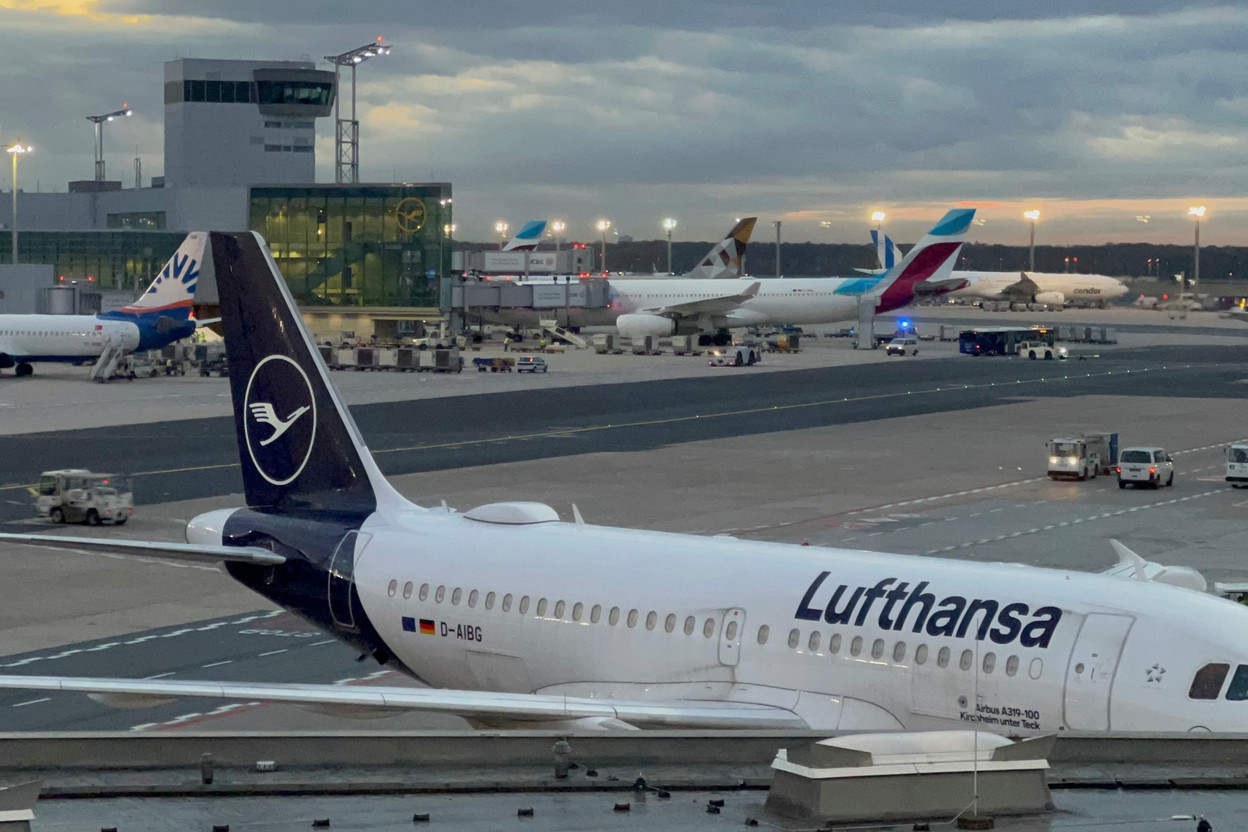
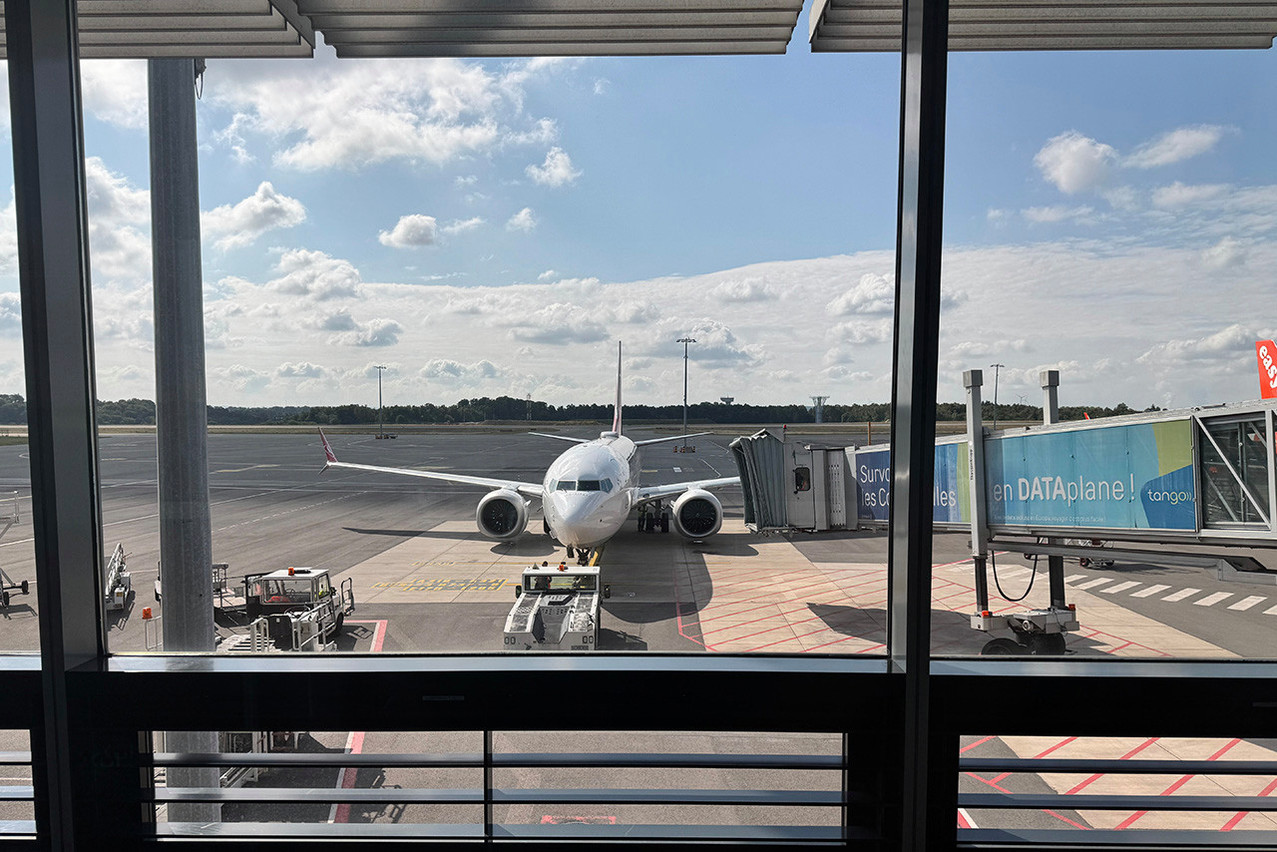
The structure of disputes remains relatively stable. Problems relating to transport and tourism—particularly flights and car hire—are still at the top of the list, ahead of the purchase of goods and the provision of services. As far back as 2024, air transport was one of the most litigious sectors. Disputes primarily concern transport and tourism, which account for 27.45% of cases, ahead of the purchase of goods, such as delivery or guarantee problems (20.40%) and the provision of services, which account for 11.49% of cases handled by the ECC Luxembourg.
The centre’s activity remains largely rooted in the country. In 2025, around 75% of cases will come from consumers residing in the Grand Duchy, with the remainder being brought by European citizens facing Luxembourg companies. The out-of-court settlement rate remains close to 60%, while user satisfaction exceeds 91%.
Beyond the figures, the organisation is continuing its role as an intermediary in a European market where cross-border disputes remain frequent. Online bookings that are not refunded, products delivered that are different from those ordered or compensation refused by an airline are just some of the issues that the centre deals with on a daily basis. These are all situations in which the intervention of the ECC-Net (European Consumer Centres Network) often helps to break the deadlock in cases that consumers are struggling to resolve on their own.