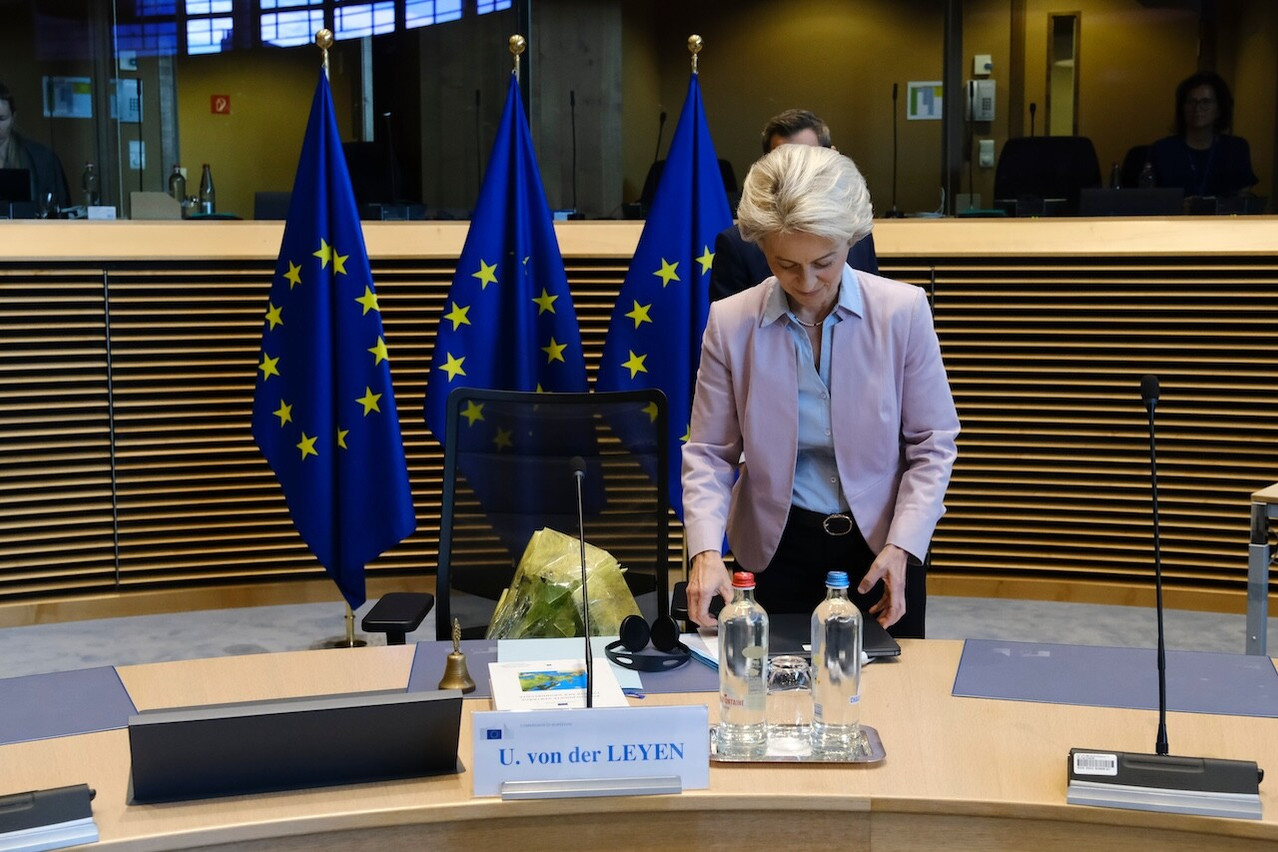
Can Ursula von der Leyen strengthen Europe without clarifying the alliances and priorities on which she intends to build? As her State of the Union address approaches, expectations are 


International pressure makes these issues particularly pressing. Ukraine, threats to European security and trade tensions call for joint responses. However, they do not automatically lead to a consensus on what those responses should entail. Among the Luxembourg elected representatives interviewed, some are calling for greater integration, others for a social and climate-focused shift, whilst Fernand Kartheiser is calling for Brussels to scale back its ambitions.
Reuniting the pro-European majority
For Charles Goerens (DP/Renew), the speech must first and foremost be “political and inspiring”. The Liberal MEP expects the President to rally once again the forces that supported her re-election in 2024: the EPP, the Social Democrats, the Liberals and the Greens. He criticises the majorities that are forming, on certain reforms, between the parliamentary right and the populist right. “Between these four political currents, I believe that reasonable compromises should always be possible,” he says. His demand centres on consistency between a commitment to liberal democracy and the exercise of power. A mere declaration of principles will not suffice: it must be reflected in alliances and decisions.
Marc Angel (LSAP/S&D) supports this call for clarification. The Socialist believes that Ursula von der Leyen must send a clear message to her political family, the EPP, to prioritise pro-European partners over the nationalist far right. However, he links this demand to a policy agenda: reaffirming the Green Deal, ensuring a just transition and addressing the rising cost of living.
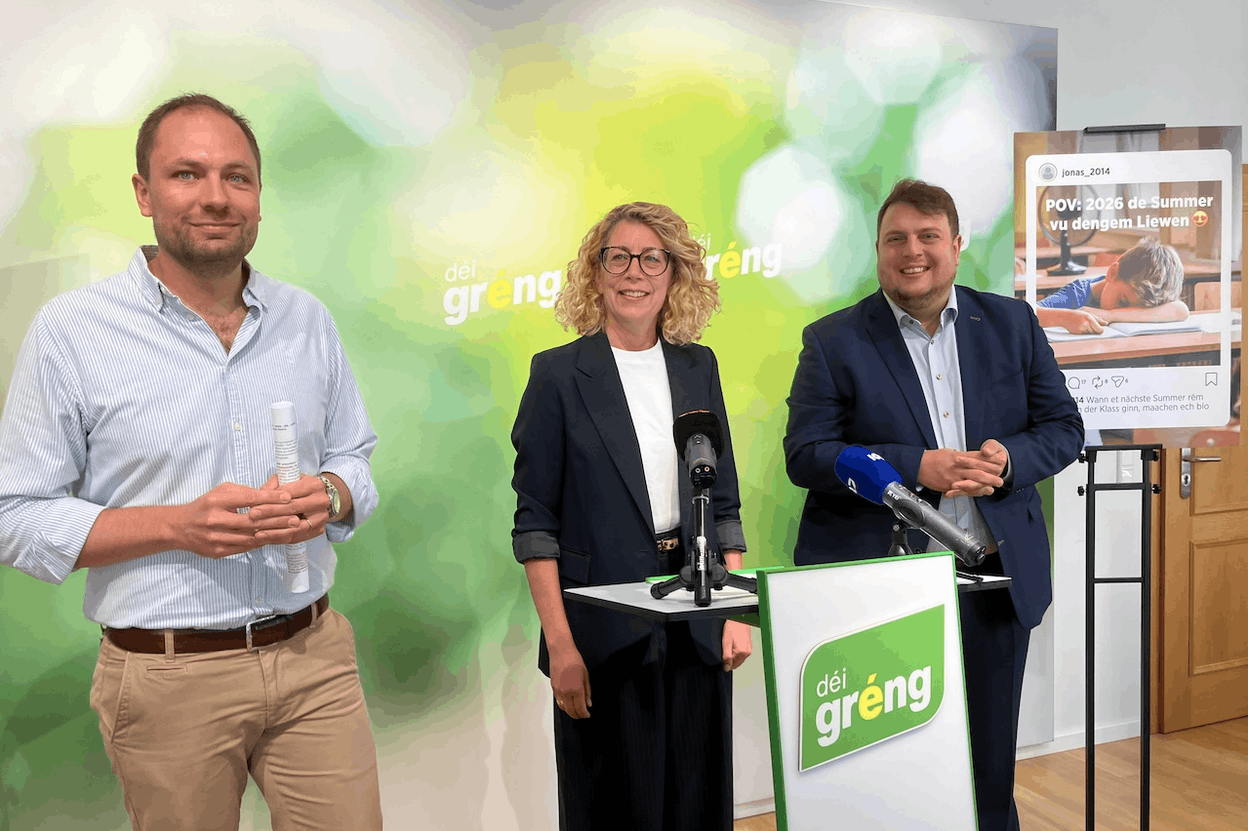
Tilly Metz (déi Gréng) expresses the same dual expectation, both political and policy-related. The Green MEP calls for climate and environmental action to be stepped up, whilst defending a democratic majority that is not dependent on the far right. “We need a change of course, not a shift to the right.”
A convergence is thus emerging between liberals, socialists and green politicians on the issue of who to govern with. But their priorities differ: Charles Goerens emphasises European mobilisation and integration, Marc Angel focuses on social protection, and Tilly Metz highlights the ecological emergency.
Defence: a priority and a dividing line
Isabel Wiseler-Lima (CSV/EPP) is looking, above all, for commitments that can be implemented. Her priority is defence, with a specific request: a European anti-drone shield backed by a timetable, a budget and a deadline for completion. “Europe cannot afford to be slow,” she insists. The MEP regards the establishment of a European defence policy as a step forward, but considers the pace to be insufficient. In her view, even a ceasefire in Ukraine would not put an end to hybrid threats against the Union. Security must therefore receive the necessary funding and the commitment of Member States.
Charles Goerens also sees defence as an area calling for greater integration. Marc Angel advocates a better-coordinated European defence, whilst calling for additional resources for cohesion, agriculture and the European Social Fund. These positions are compatible, but their focus differs: Isabel Wiseler-Lima prioritises security, whilst Angel ensures that the European effort retains a strong social dimension.
Tilly Metz, for her part, places the climate transition at the top of the list of areas where investment should be stepped up. She also presents it as a security policy: the development of renewables, energy efficiency, building refurbishment and public transport must reduce dependencies whilst preparing Europe for the consequences of global warming. In her responses, this priority does not constitute a rejection of defence efforts. It broadens the issue of protecting Europeans to include energy, climate and health risks.
Fernand Kartheiser (ADR/independent) advocates the opposite approach. He wishes to reserve the role of defence for NATO and rejects the Commission’s geopolitical ambitions. “We need an economic Commission, not a ‘geopolitical’ one,” he asserts. The disagreement here centres on the very legitimacy of European action, rather than on the pace at which it is taken.
Simplify – but to what extent?
Competitiveness highlights another divide. Fernand Kartheiser welcomes the omnibus bills on administrative simplification, but calls for the Green Deal to be scrapped entirely. He presents environmental constraints as a threat to Luxembourg’s industry and calls for a new energy policy to safeguard jobs.
Marc Angel advocates a completely different approach to simplification. In his view, businesses would benefit most from more harmonised rules and digitised procedures. He therefore favours European regulations over directives, the transposition of which can lead to greater national differences. Social standards and climate targets are his red lines.
Tilly Metz agrees with this distinction between streamlining procedures and weakening safeguards. She supports reducing duplication and speeding up authorisations where possible, but criticises the direction taken by omnibus bills, particularly in the food and agriculture sectors. Public health, the environment, animal welfare and social rights must not become variables to be sacrificed in the name of competitiveness. The environmentalist also challenges the notion that deregulation necessarily benefits the economy: she emphasises that manufacturers need stability in order to invest. Conversely, she cites the roadmap aimed at reducing and eventually replacing animal testing for the assessment of chemical substances as a positive step, combining modernisation of methods with protection.
Behind the shared aim of reducing the administrative burden lie two approaches: either removing obligations deemed detrimental to business, or organising their implementation more effectively without reducing safeguards.
The budget will prolong this standoff. Fernand Kartheiser wants to reduce the EU budget. Marc Angel is proposing new own resources and the use of joint borrowing. Charles Goerens, for his part, criticises the nationalist reflexes that restrict the Union’s resources. Tilly Metz wants to make greater use of revenue from pollution charges and ensure that those who generate environmental costs contribute.
Schengen: a real-world test for Luxembourg
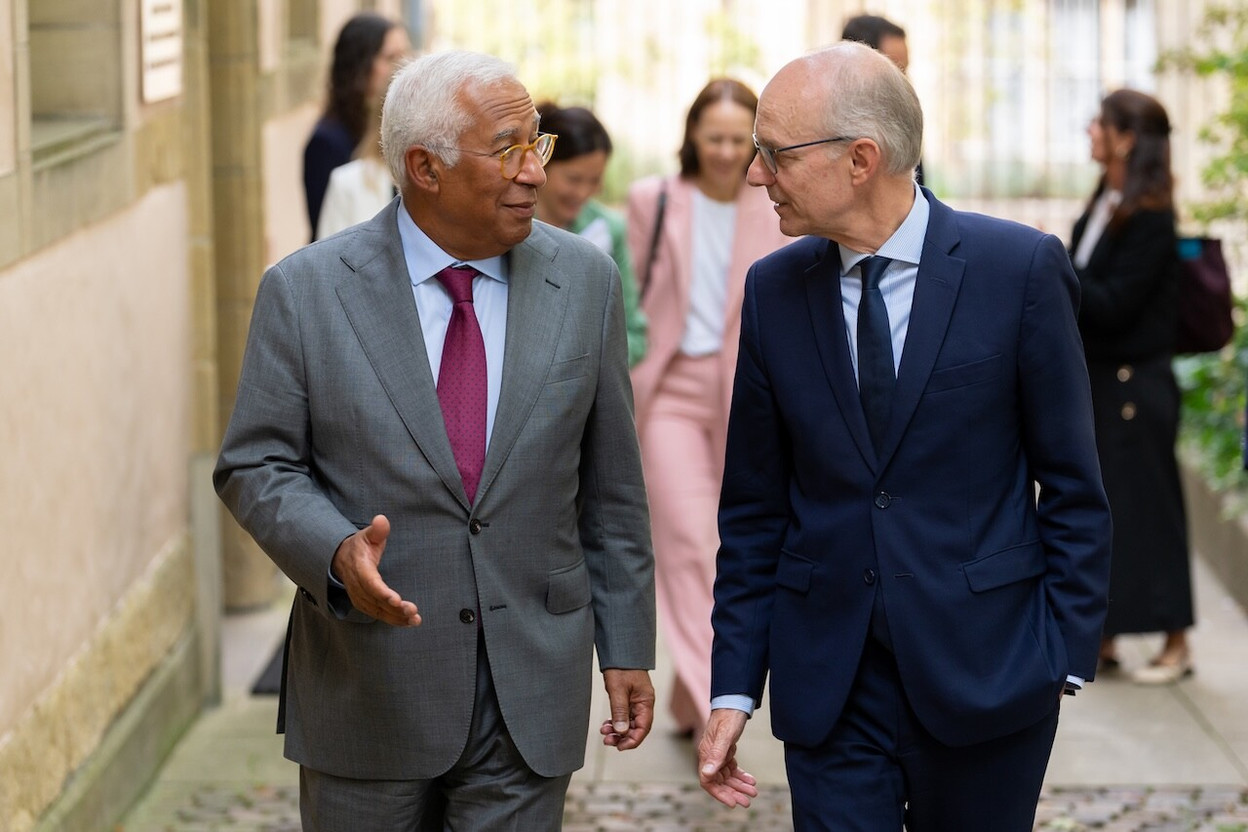
These decisions have a direct impact on Luxembourg. During his meeting with 
But there is a more day-to-day common ground bringing Angel and Wiseler-Lima together: the defence of the Schengen Agreement. Both are calling on the Commission to protect freedom of movement. Wiseler-Lima refuses to allow the Commission to stand idly by whilst it is being undermined; Marc Angel links this to better coordination of social rights for mobile workers.
Tilly Metz extends this cross-border issue to the rail sector. In her view, more reliable, more frequent and better-coordinated trains across borders would constitute one of the most directly noticeable improvements for residents and cross-border commuters across Europe. She adds the resilience of healthcare systems to this list. In the face of an ageing population, chronic illnesses and heatwaves, she calls for investment in prevention and in healthcare professionals: training, recruitment and improved working conditions. This is a particularly pressing concern for a country whose healthcare services employ many workers from neighbouring countries.
In a country whose economy relies heavily on cross-border trade, this expectation gives immediate substance to the European debate. The Commission’s credibility will also be judged by its ability to safeguard the achievements made so far.
Ursula von der Leyen will therefore be judged on several fronts: the partners with whom she intends to govern, the safeguards she plans to uphold, and the resources she wishes to mobilise. Her announcements will need to set out a vision that is clear enough to secure a majority, even though Luxembourg’s elected representatives themselves do not share the same priorities or the same vision for the Union.
Martine Kemp, who was also contacted, had not replied to us by the time this article went to press.