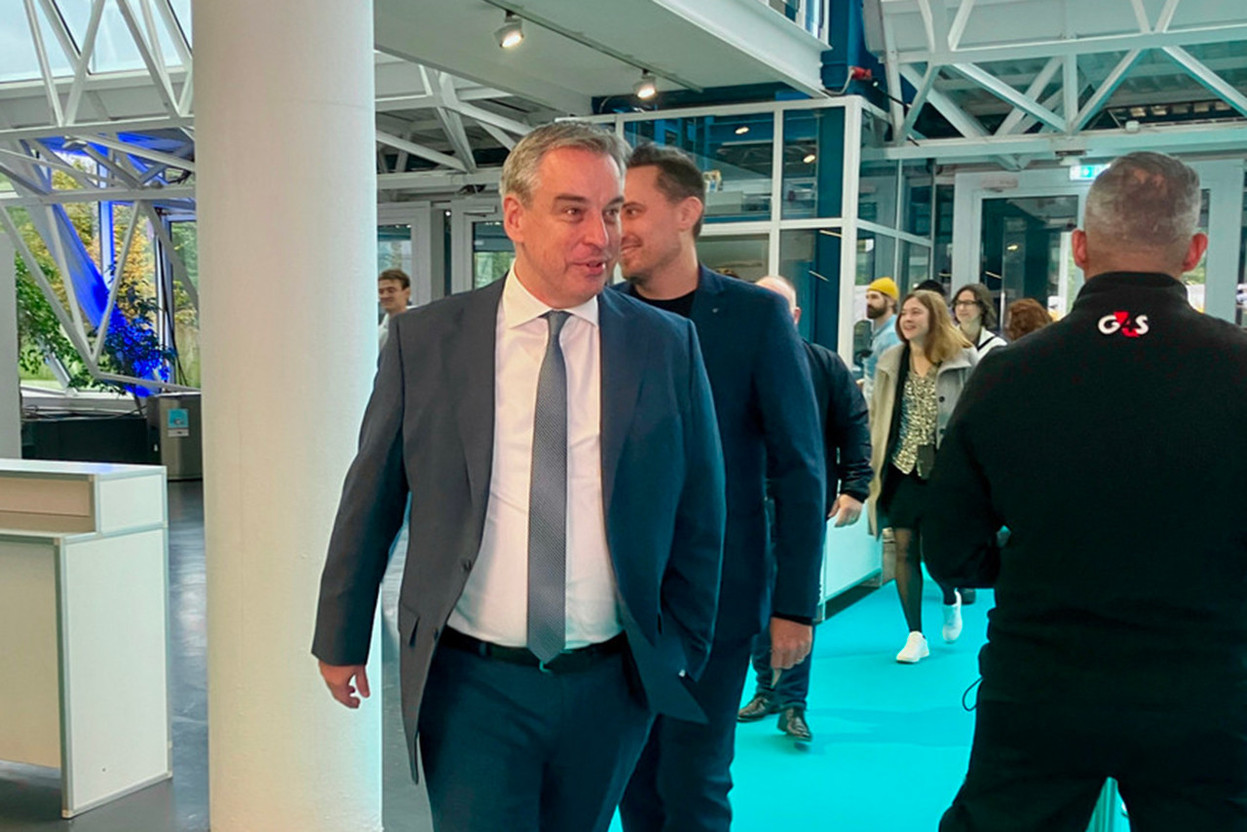
"A project like this represents much more than a public investment: it embodies our desire to take concrete action to ensure that the dream of affordable housing remains possible in Luxembourg. We cannot allow a whole generation to doubt that one day they will have access to housing. Restoring this perspective is a political and moral duty", declared Prime Minister 
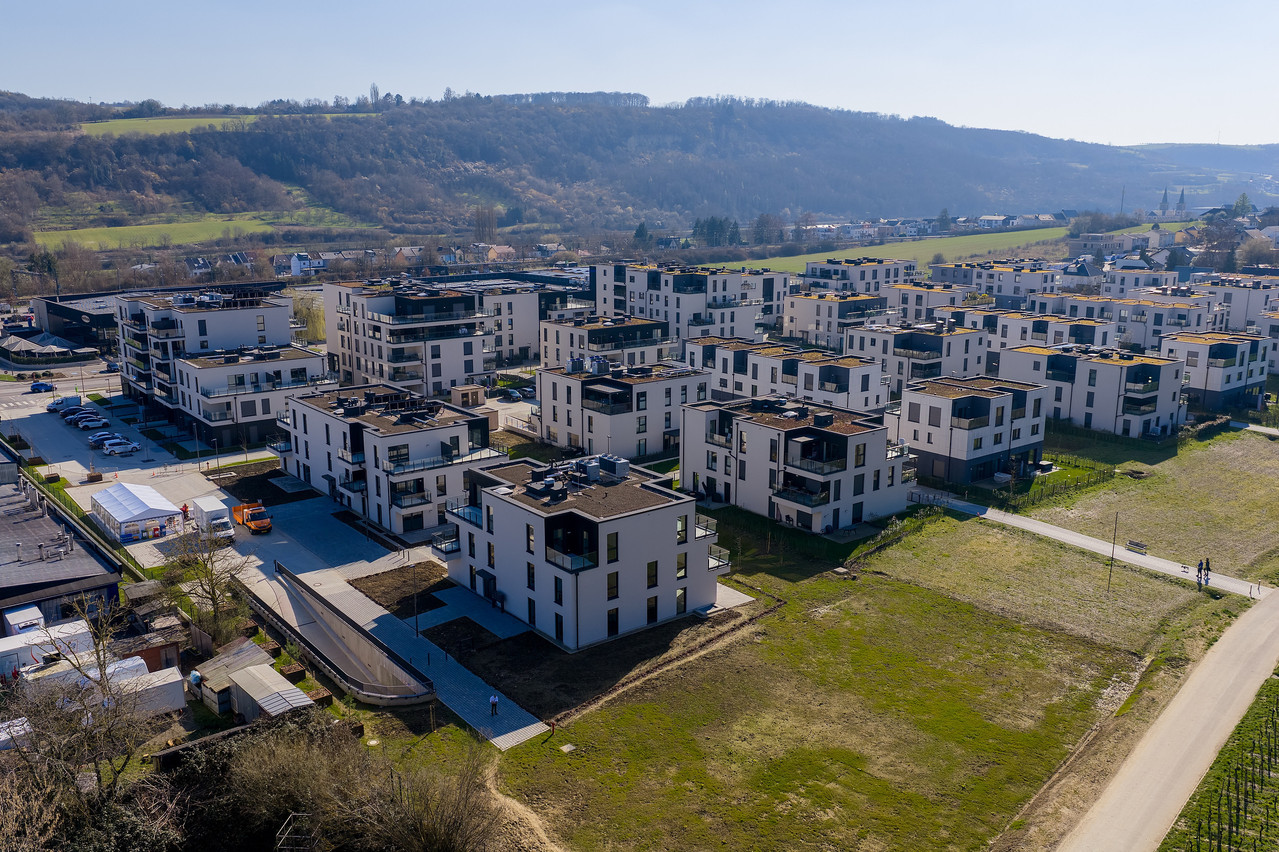
On Wednesday 4 March, the prime minister took part in an official visit to the "Domaine des Vignes" residential project in Mertert. 20 housing units for 64 people have been acquired for a total of €12m and are divided between the Malbec (12 units) and Cinsault (8 units) residences, a complex built by developer-builder BPI Real Estate Luxembourg.
The government has signed acquisitions or reservations for 537 off-plan homes, combining 358 homes already acquired and a further 179 under signed reservation contracts. The ministry of housing and spatial planning told Paperjam that the homes acquired represent an investment of €221m, while reservations involve around €124m.
The programme is presented as covering the period 2024-2027 and aims to acquire around 800 homes for a total budget of €480m. According to the ministry's figures, almost two-thirds of this overall target is now covered by acquisitions or reservations.
The immediate question concerns the timetable. The ministry's delivery schedule shows that most of the homes already acquired are not expected to be completed until 2027-2028, beyond the official programme period of 2024-2027.
Delivery delay
Of the 358 homes acquired, 68 have already been completed. A further 15 are due for delivery in early 2026, followed by a further 28 by the end of this year.
The bulk of deliveries are scheduled for the second quarter of 2027 (147 homes) and the third quarter of 2028 (100 homes). These dates relate to the 358 homes that the ministry describes as acquired and which will be able to house around 1,135 residents.
The ministry lists ten projects located in Mamer, Mertert-Wasserbillig, Pétange, Sanem, Ell, Differdange, Esch-sur-Alzette and Luxembourg-city. Once completed, the homes are to be let on affordable terms and managed by the Société nationale des habitations à bon marché (SNHBM) and the Housing Fund.
Chain of authorisations
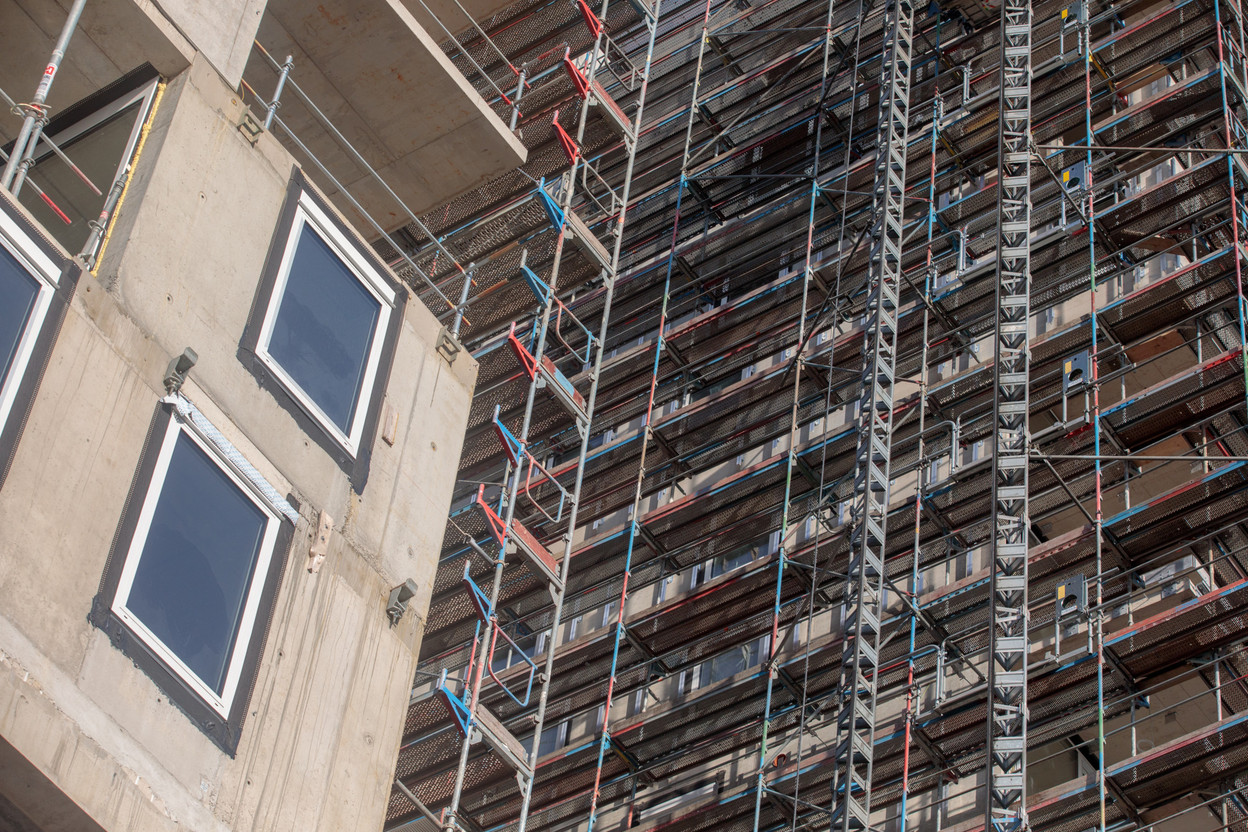
A second question concerns what happens between signature and delivery. Off-plan acquisitions can be booked quickly, but progress depends on authorisations, construction and handover of homes.
SNHBM said it currently manages 355 homes acquired or intended to be acquired under the programme, with the units either in the planning phase or under construction. It stated that it acts as the government’s representative during the construction phase and allocates the homes once completed, while applications for planning permission are submitted by the project developers.
The ministry refers to a total of 358 homes acquired, while SNHBM mentions 355 homes managed. The documents consulted by Paperjam do not explain this discrepancy.
Parliamentary debate
The off-plan acquisition model was raised in Luxembourg’s parliament on 3 March during an extended parliamentary question by 
Wagner felt that high building prices and rising interest rates had made home ownership more difficult, and asked whether public developers risked being left with hard-to-sell homes in certain locations.
He also questioned whether some local authorities could de facto opt out of providing affordable rental housing and whether there was a need for more stringent minimum requirements.
Limits on the emphyteutic lease
Minister for Housing and Town and Country Planning 
He explained that, in the case cited, the priority was to relaunch construction after several years of delay, with some of the housing finally being directed towards rental via SNHBM.
Meisch also said that the government does not sell land intended for housing to private individuals and that in 2025, 18.6 hectares were acquired for public housing projects. According to him, depending on the classification of the land, this could represent a capacity close to 1,000 homes.
Figures cited
The minister presented the off-plan acquisitions as a means of supporting public production, He said that 362 homes had been signed in 2025 under this scheme, while a further 255 were at the advanced analysis or negotiation stage. He also pointed out that the SNHBM must, on average, maintain a balance of around 60% affordable sales for 40% rentals.
What remains less clear is the status of project-by-project permits in the off-plan acquisition pipeline and, for reserved homes, the conditions that still need to be met before they turn into actual acquisitions and delivered homes.
The ministry's figures establish the scale of the programme and a delivery timetable for homes acquired, while the SNHBM said that permits are filed by developers, leaving key risk information in the files of communes and developers rather than in a consolidated public view.