The reform of aid for municipal construction projects comes into force with one watchword: fairness. From now on, all municipalities--large or small, rich or poor--will benefit from the same subsidy rates depending on the type of infrastructure. This new approach has been hailed for its clarity and fairness.
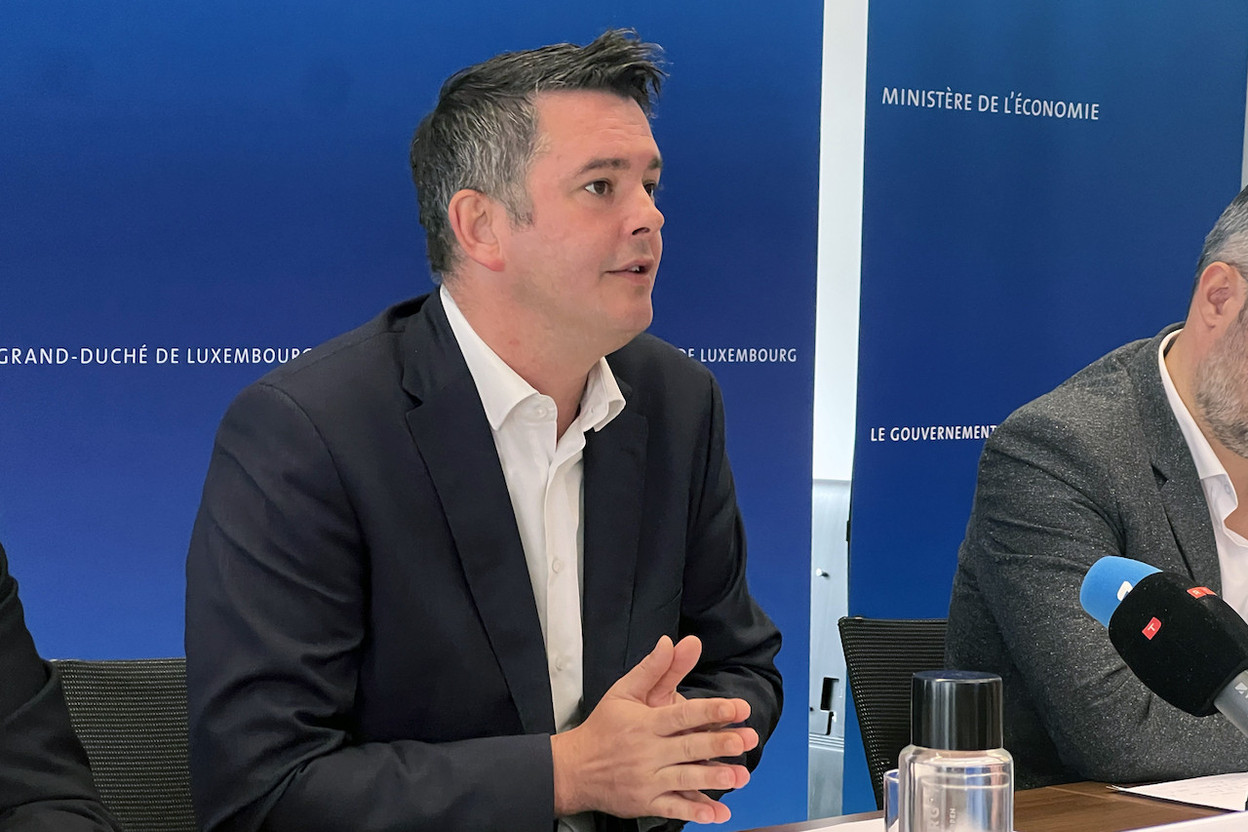
“A resident is a resident, a child is a child, regardless of the municipality.” This statement by the minister for home affairs, 
The reform will apply retrospectively to all projects submitted after 1 January 2024. No further action is required: applications will be recalculated automatically by the administration. A school in Remich, a town hall in Wiltz or a public square in Schifflange will now receive the same treatment as infrastructure in Luxembourg City. It’s step forward welcomed by the inter-municipal union Syvicol and made possible with the support of the finance ministry.
Some examples
- Schools: up to €8,000 per square metre and 70% guaranteed aid
Previously, grants for primary schools could vary between 40% and 85%, with a ceiling of €5,500 per square metre of classroom.
Today, there is a single rate of 70% with a ceiling of €8,000 per square metre, taking into account all formal education areas.
For example, a local authority building a space of 1,000 m2 will be able to benefit from up to €5.6m of aid.
- Municipal councils: increased support of up to €40m replaces the per capita calculation. The ceiling for the construction or renovation of a town hall is now set at: €40m (instead of €30m) with a fixed rate of 45% of the estimate.
A town hall estimated at €20m will automatically receive €9m in aid.
- Rescue centres and management services: projects for technical services or the CIS (fire and rescue centres) benefit from a doubling of the ceiling, from €1,000 per inhabitant plus €500,000 per square kilometre to €2,500 plus €650,000 per square kilometre with a fixed rate--again--of 45% of the estimate.
- Public spaces: to encourage user-friendly, car-free public spaces, the ceiling rises to €1,000 per inhabitant from €100, with a cap at 25% of the maximum cost and a fixed rate of 45%. But parking spaces are no longer eligible.
- Cemeteries: ceiling at €1,000/inhabitant, with a single fixed rate of 45% instead of the previous potential variation.
- Drinking water: the aid rate is set at 30% only for communal projects as regional projects come under another fund.
- Inter-communal cooperation: as soon as more than two communes carry out a joint project, they will receive an additional 10% bonus.
This article was originally published in French.