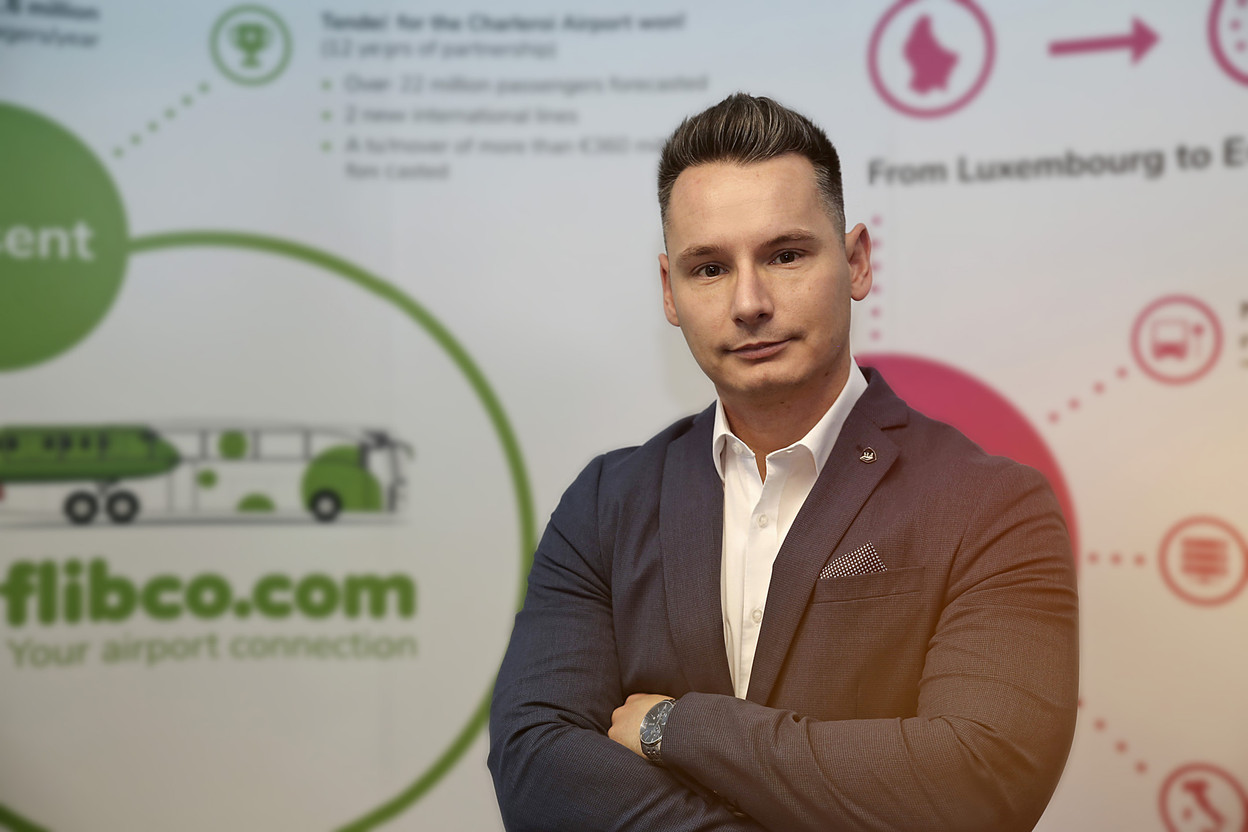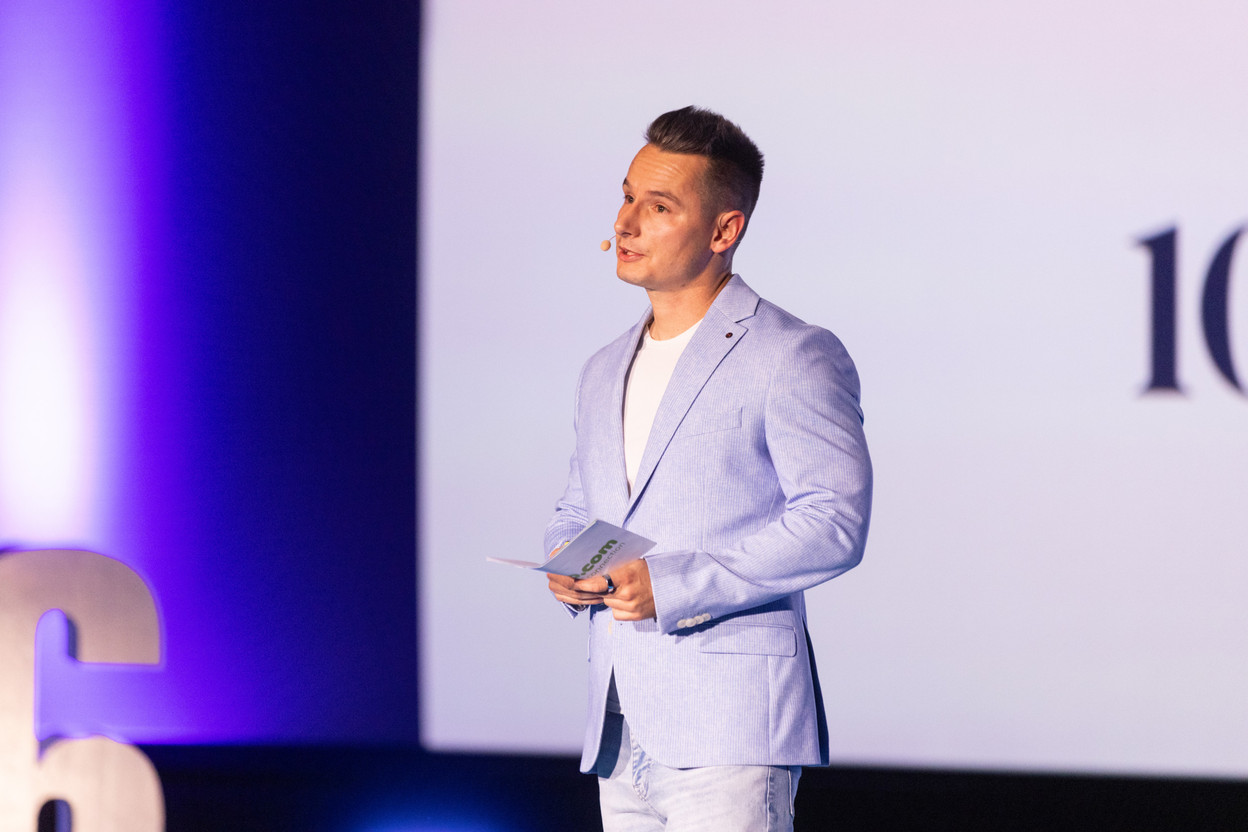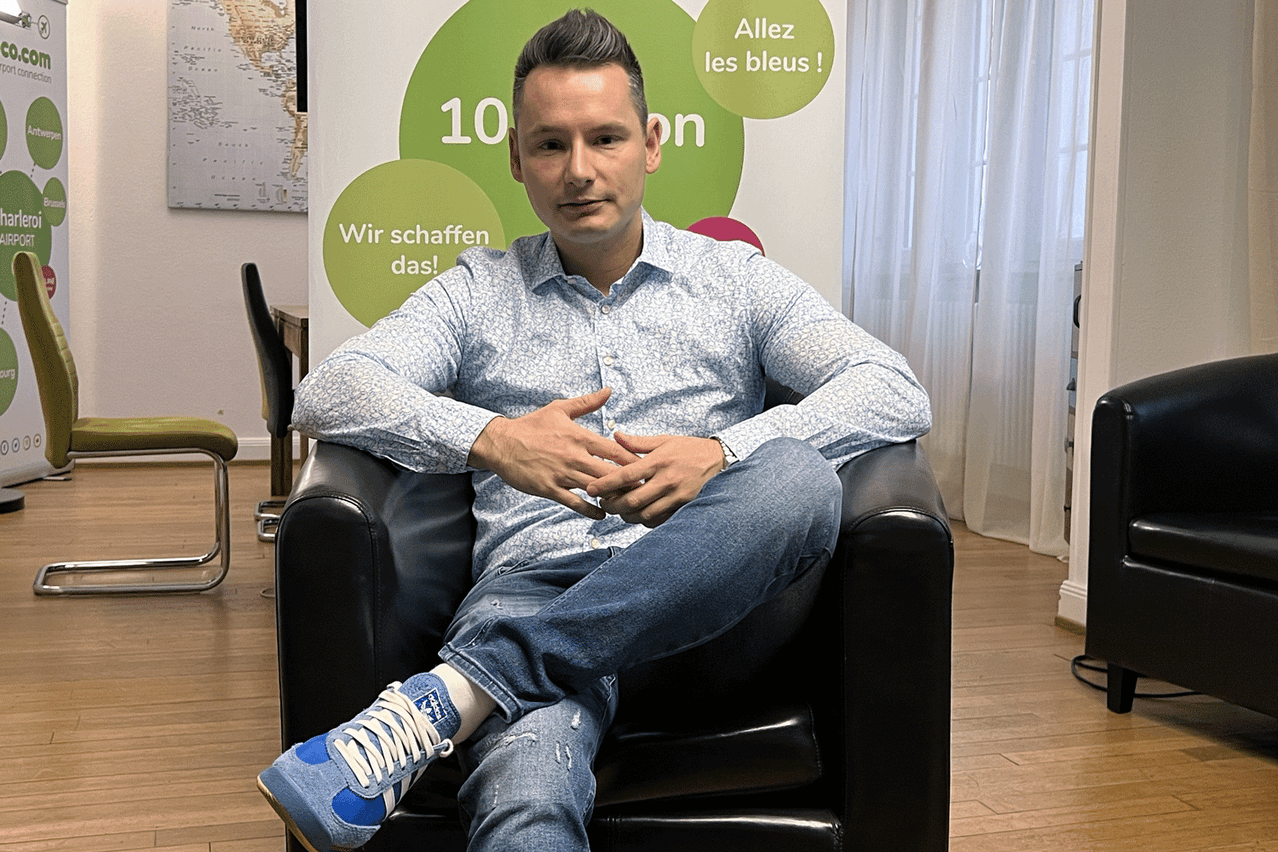
Following the release of our October magazine, Paperjam asked readers to vote for their favourite #Nextgen profiles from the 100 selected. Tobias Stüber came out on top.
Émilio Naud: What changes have you experienced, personally and professionally, since joining the European Young Leaders (EYL) programme?

My advice to every executive out there: Don’t be too proud about professional achievements in your personal life--rather smile in silence and inspire your friends and family for them to find their own passion.
And what’s important to having this European Union?
Innovation is only built through a diverse environment. Talented people--and we have an endless number of them in the European Union--should continue to exchange their ideas across country borders and be inspired to fight for continuous competitiveness, especially if we look at countries like China or the US.
We often say that the US creates, China copies and Europe regulates. Would you care to comment?
In Europe, we are the masters of regulation--but also the masters in potential to create! As I studied myself in the US, right in the area of Silicon Valley, it didn’t surprise me very much to see the number of Europeans there.
Our job for the upcoming years is very clear: We need to find incentives to minimise bureaucracy and support innovative ideas instead of outdated processes. The potential is huge and Europe also has a great environment to create already today. In the end, I’m also proud about Europe’s leading position in areas like the protection of human rights, where we should continuously engage on a global level.
How does being a German in Luxembourg influence your management style and your approach to the Luxembourg work life?
First, I must break the stereotype of a German, as I was a bit late today [laughs]. I believe in the power of combining different strains of different cultures--for example, I think there is a great potential in our German talent to structure processes.
This--power in a diverse environment--also brings me to our unique power here in Luxembourg: A mix of different cultures. I like to get people to improve themselves on a professional level with a clear and modern driven management style. Luxembourg is a great place for that.
If you had to give one insight to your peers in the EYL programme, what would it be?
One of my key learning is to be honest and transparent--also around your challenges!
We should stand for our rights in Europe, fight for the EU and represent a joint vision of a common Europe. I’m fighting for the “European dream.”
With holistic changes in the world, Europe needs to overcome its current challenges, stick together and define answers to a future that will be human friendly, technology-supportive and innovation-powered.
What do you think distinguished you in the #Nextgen competition?
I’m mostly not thinking about being “distinguished”--but more about my ability to represent a total new generation of managers. I believe celebrating yourself should never be the priority of a CEO--you should get the vision together with your team clear, and empower your team members every day.
At Flibco, there is a reason why I call my team “experts” and not “employees.” This prize would have never happened without their extreme support to bring our Flibco vision to reality around Europe every day.
That being said, of course, I’m proud to achieve this--but even prouder of everyone around Flibco with every new day.
At a recent 10×6 event organised by the Paperjam Club, you concluded with the statement, “It seems impossible until it’s done.” What is the next challenge that currently feels impossible to you, but you are determined to overcome?
I still believe in the statement every day--and my team does it too. Achieving the impossible is a task that doesn’t come with completely reinventing something, but more often making it a bit better every day.
For Flibco, the next couple of years will be around achieving everything that first seems impossible--but is still part of the journey! Our green Flibco-buses will be thriving. We will stay across Europe and stick to our headquarters in Luxembourg, which I like to call the “engine room” too.
Our company objective will still be fighting hard for--in the future--reaching more than 10m users on our platform. And achieving this through hard work. We also plan to open offices in London, as we are going to the British markets with London Stansted.
Do you plan to stay in Luxembourg in the next few years?
I am--as I mentioned many times before--a big fan of Luxembourg and its own charm. The great place fascinates me with its international spirit very much and combines it with the ability to easily onboard international staff. For Flibco, we will continue to rely on Luxembourg together with the strong infrastructure of the Sales Lentz Group (SLG).
You were talking about people “mentally resigning” in your 10×6 keynote. Have you ever been in that state of mind before? Why is it so important not to let these kinds of things happen in the workplace?
I observed the behaviour of “mentally resigning” already during my apprenticeship 20 years ago. Mostly it occurs due to the loss of connection between the employees and management. Back in the times, it was already very clear for me: I won’t ever support an environment like that. Potential can only be realised in great management conditions. Until today, I’m always trying to create a new modern management environment that is built on trust, flexibility and the responsibility of every individual!
I’m more than happy this is something we are achieving at Flibco every day. On the other side, I still believe one of the goals is to earn money and achieve profitability, but your experts [employees] are the ones who are helping you out on this, if your vision is clear to them and they are being respected.
People who feel sick at work--no matter if physically or mentally--can’t focus on work. Discussions in conversations can and should happen at the workplace, but always with respect and transparency.
I’m glad that so many of my team members--and even their kids--came to me and were thrilled around our work-life-balance and the impact of this on their personal health.
However, many companies worldwide are calling people back in the offices. What’s your take on this?
I’m surprised by the news. Covid showed us that working from home is possible. Why should we now push people back to the office? A great leadership style should also mean that your team has the freedom to choose to work wherever they feel like.
The team should understand that performance is not based on your location, but on your results. This is something I’m very much supporting for as long as it’s within the legal framework.
I’m believing in globalisation & digitalisation--and not just in a physical office desk. My management style is driven by thinking ahead and working on more and more modern leadership principles. That means to focus on results rather than on time.
From January on, we will start a “health and performance management” to take care of our managers. We are working closely together with top medical guys. The chance to check their health performance is important because our people will have to perform better and healthier in the long run. This is optional and voluntary, but our managers showing a huge interest. We hope this way to give them a more sustainable and healthy life which has a positive impact on their long-term performance, a typical win-win situation.
And have you had any feedback from your profile in the magazine or the 10x6 that you participated in?
The reactions were extremely positive--and I got a lot of them! I’m honoured by the number of invitations from other podcasts and media outlets, and will continue to share my mission around a modern and inclusive leadership environment.
In comparision, I still received a number of messages on Linkedin from people saying, “My boss thinks differently, but I’m so happy to read what you’re saying.” It’s important to help those people by creating awareness and showing them that there’s another way.