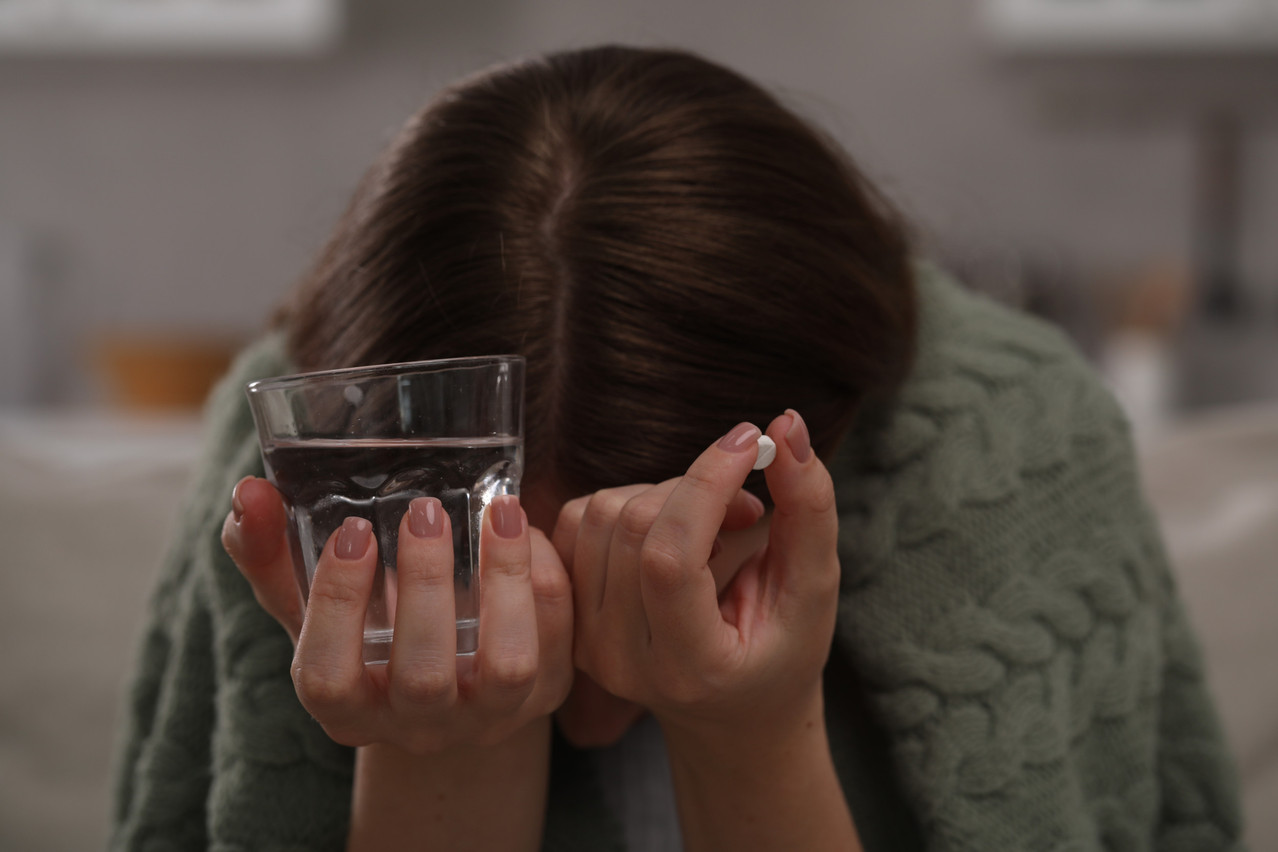
This is a trend that is not going unnoticed. In Belgium, consumption of antidepressants among teenagers has jumped by 43% between 2019 and 2023, according to a study by the Mutualités libres. Faced with this worrying increase, left-wing MPs 


The figures provided by the minister in the parliamentary response confirm this trend. Between 2019 and 2023, the number of antidepressant prescriptions issued to insured persons aged between 6 and 17 jumped by 44.9%, from 889 to 1,288. At the same time, the number of young people having purchased at least one box of these drugs rose by 31.1%, reaching 506 in 2023, compared with 386 four years earlier. For 2024, there appears to be a slight drop, with 483 young people concerned. However, these figures are provisional and could change further.
An increase to be put into perspective
Beyond the raw figures, their interpretation remains tricky. In relation to population growth, the increase seems less marked: in 2019, 0.5% of young people with insurance had taken at least one antidepressant; by 2023, this proportion had risen to 0.6%.
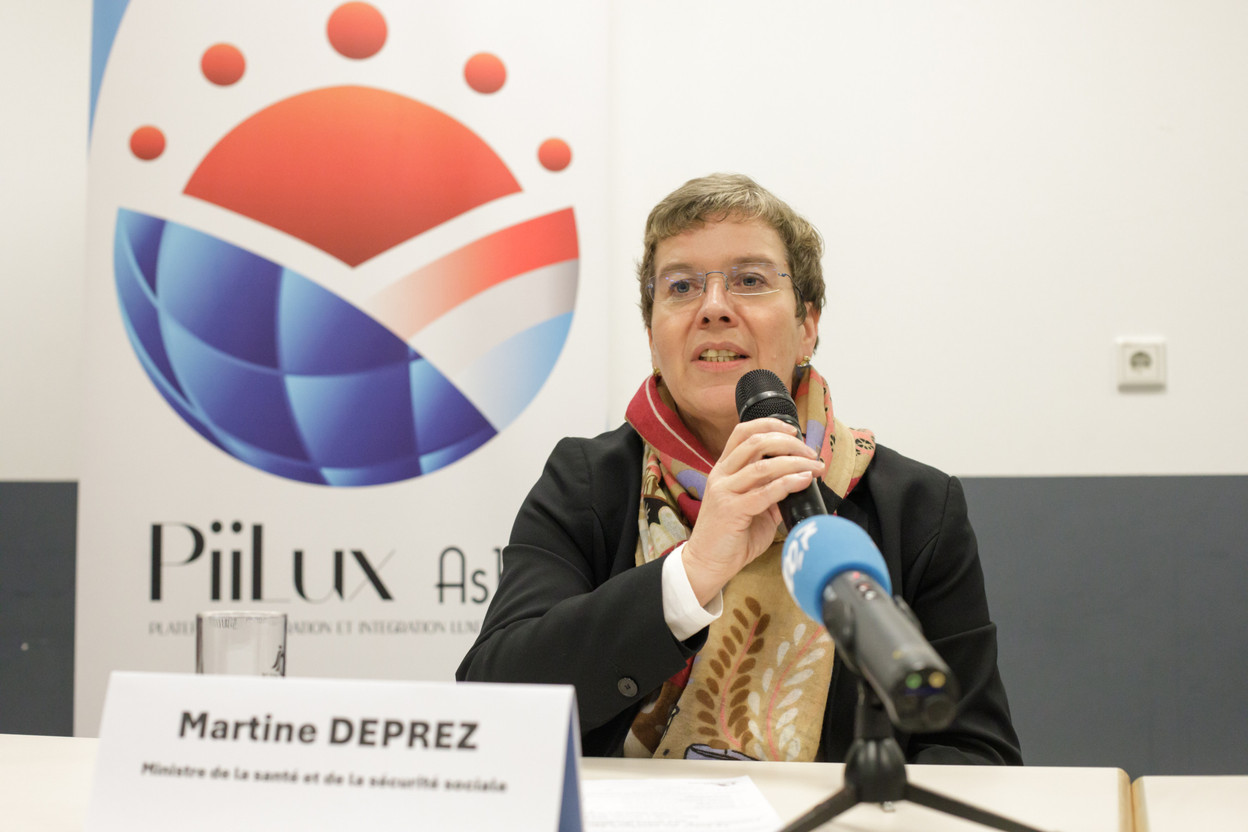
While the pandemic has often been identified as an aggravating factor in anxiety disorders, Martine Deprez is cautious: "The figures do not make it clear whether the rise in antidepressants purchased in a pharmacy open to the public corresponds to a lasting phenomenon or a passing phenomenon linked to the Covid-19-related pandemic."
Aware of the challenges posed by the treatment of mental disorders in young people, the government is banking on its National Mental Health Plan 2024-2028, points out Martine Deprez. The latter, aiming "to strengthen the mental health system" but also "to fill existing gaps and integrate innovative approaches validated in the health field".