Beyond adoption: Optimising for value
Cloud adoption has moved beyond simple lift-and-shift approaches. As highlighted in the 2025 PwC Cloud Survey, cloud maturity is on the rise: 80% of organisations in EMEA report medium or high maturity in 2025, up from 64% in 2023. In Luxembourg, this figure reaches 76%. With this momentum, companies are reshaping strategies to deliver measurable business outcomes, embracing cloud-native architectures, modern applications, multi-cloud deployments, and AI-driven processes.
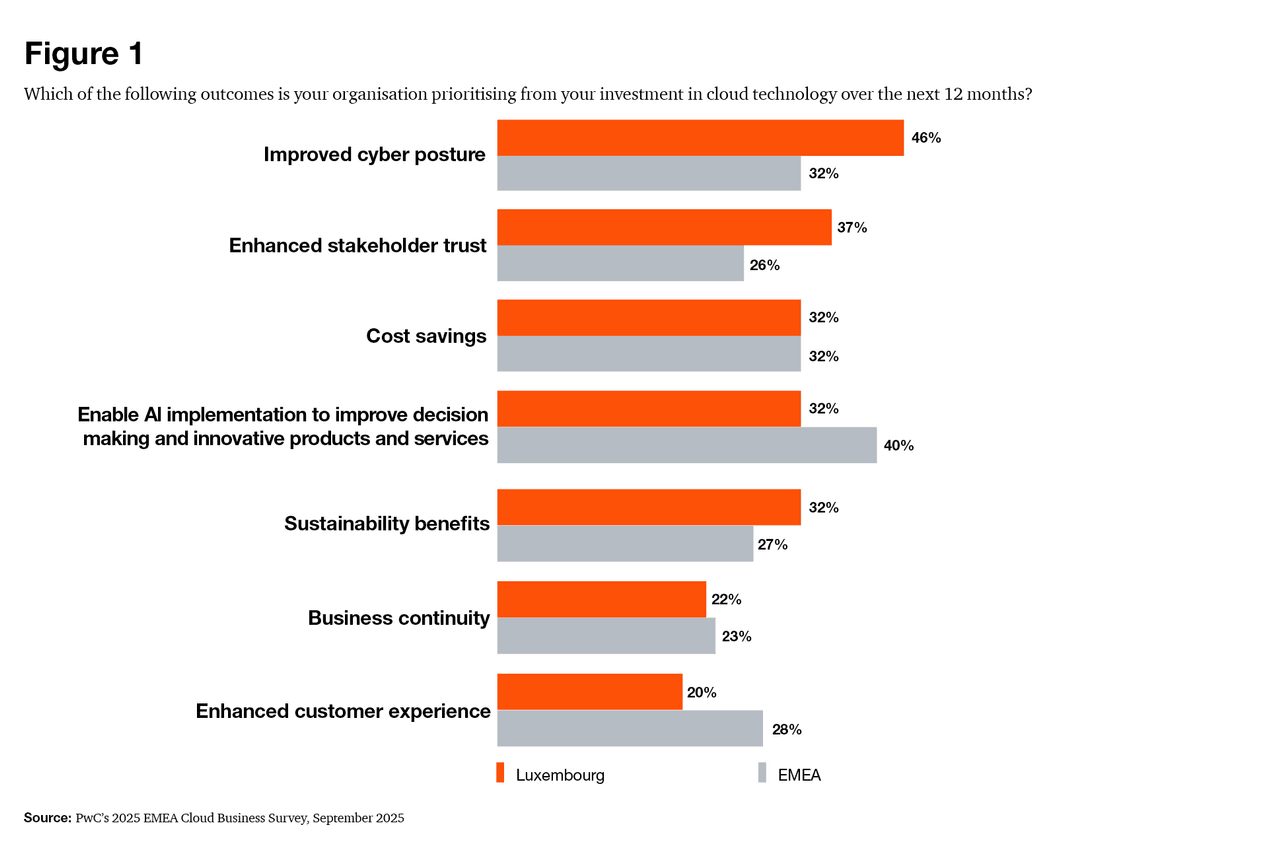
Although organisations in Luxembourg still face adoption challenges, such as skill shortages and cyber risks, 86% of surveyed organisations plan to increase cloud budgets next year to support growth ambitions. Investments focus on AI adoption, cybersecurity, and enhancing stakeholder trust, as shown below:
PwC’s 2025 EMEA Cloud Business Survey, September 2025 PwC
The broader challenge will lie in driving innovation while managing complexity and navigating an evolving regulatory landscape.
Geopolitical and regulatory pressures redefine cloud strategy
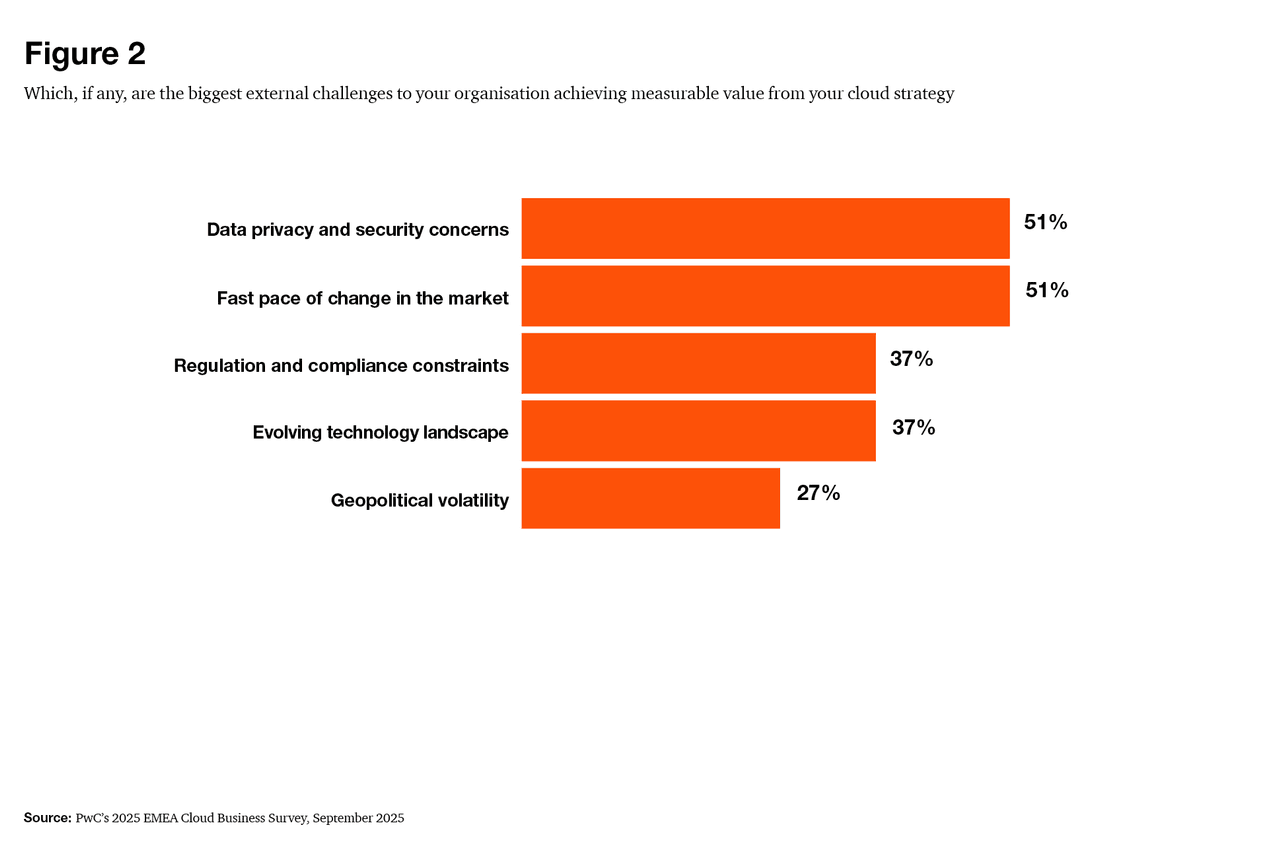
The 2025 PwC Cloud Survey shows that over half of organisations in Luxembourg see data privacy and security among their top external challenges to realising cloud value, while 37% highlight regulatory and compliance pressures as key barriers.
PwC’s 2025 EMEA Cloud Business Survey, September 2025 PwC
PwC’s 2025 EMEA Cloud Business Survey, September 2025 PwC
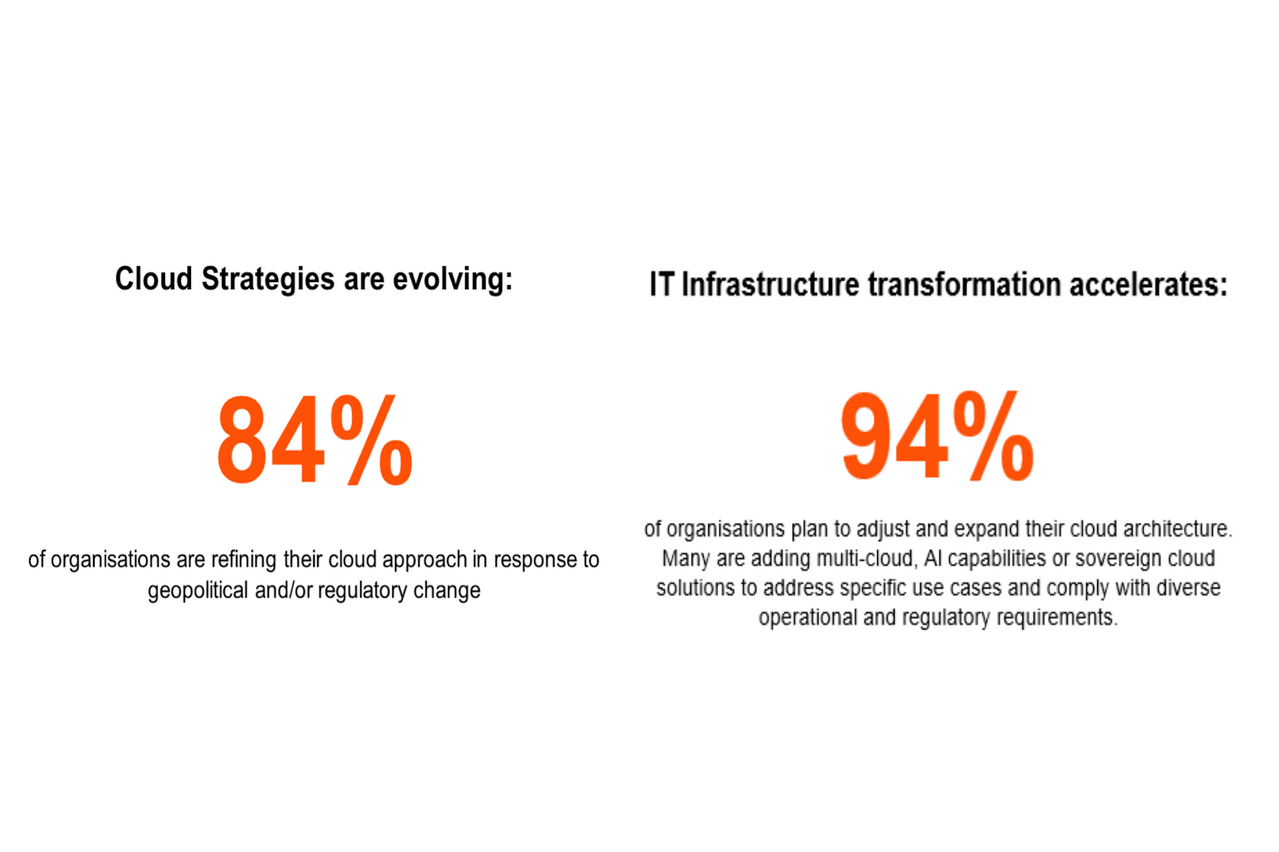
Geopolitical tensions and evolving regulations are reshaping how organisations manage and protect data. In Luxembourg, 84% of surveyed companies are refining their cloud strategies in response to these shifts. The concept of “sovereignty-by-design” is gaining momentum, letting organisations operate confidently in regulated environments while keeping control over sensitive information.
Cloud sovereignty spans three dimensions: data, operational, and technology. Data sovereignty keeps information under organisational control and compliant with local laws. Operational sovereignty focuses on keeping cloud operations running without interruption and ensuring access remains local. Technology sovereignty safeguards open, flexible technology choices and promotes interoperability across platforms. The European Commission has also published a detailed Cloud Sovereignty Framework, which clarifies what sovereignty means through eight objectives spanning strategic, legal, operational, and technological dimensions.
Cloud providers are adapting quickly, investing heavily to meet these expectations. Two main categories of offerings have emerged. Hyperscaler-driven initiatives, such as Microsoft Sovereign Public Cloud, Microsoft Sovereign Private Cloud, and AWS EU Sovereign Cloud, extend global platforms to meet European or national requirements while maintaining access to broad service portfolios. In parallel, country-specific solutions are expanding, through partnerships between global players and local telcos or infrastructure providers. In Luxembourg, recent examples include Deep’s partnership with OVH and Clarence offering. These solutions leverage local trust to deliver cloud services that address regional needs and help local providers strengthen their position in the cloud market.
The focus on sovereignty is set to deepen, fuelled by significant EU investment and new regulations reinforcing digital autonomy. Sovereign and Public Cloud will continue to coexist: the former enabling adoption for sensitive workloads, and the latter offering unmatched scale and breadth of innovation.
Agentic AI: Shaping the next wave of transformation
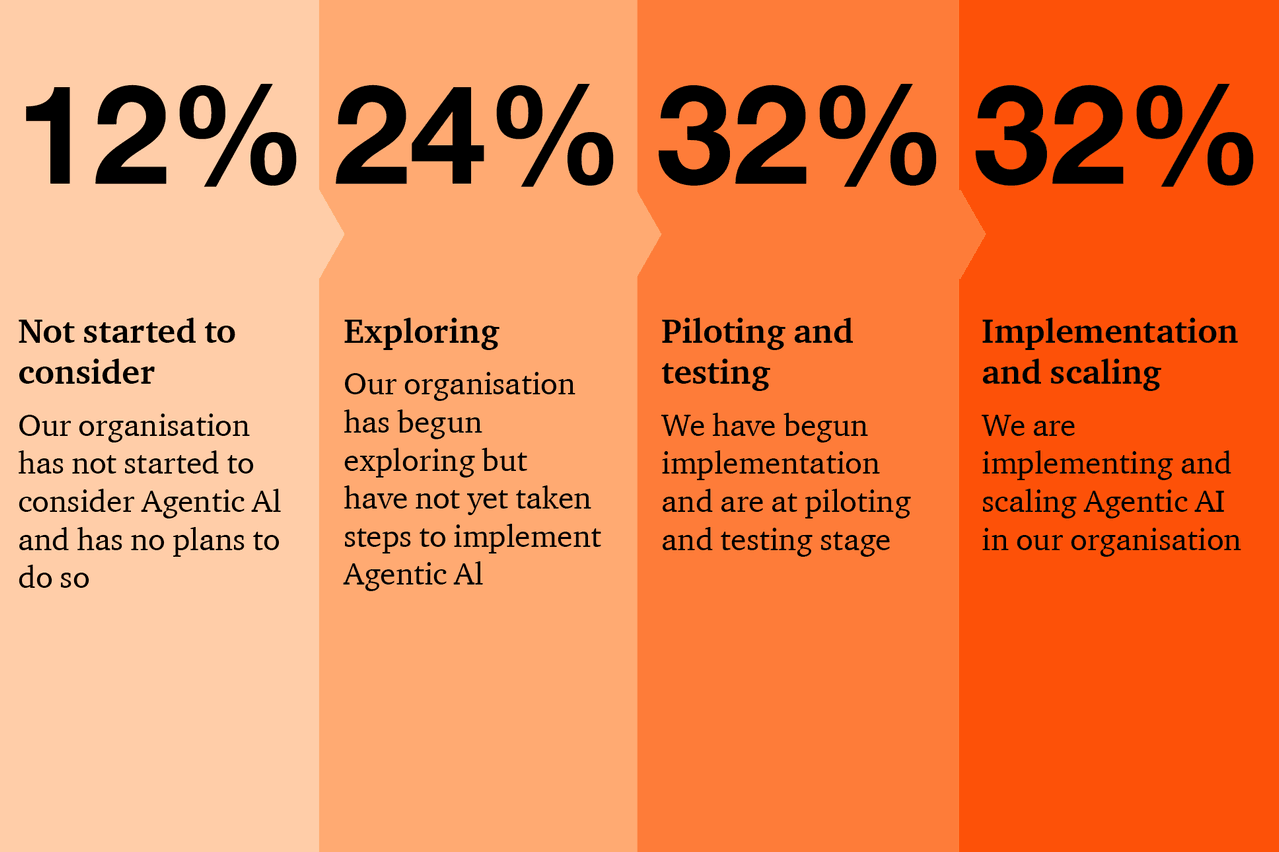
Agentic AI is redefining what cloud can do for business. Unlike traditional AI, these systems operate autonomously, orchestrate complex processes and make real-time decisions. Early use cases demonstrate faster innovation cycles, cost efficiencies, and new ways to deliver value to customers and citizens. In Luxembourg, 56% of organisations are exploring or piloting agentic AI, signalling a shift toward self-driving enterprise intelligence.
PwC’s 2025 EMEA Cloud Business Survey, September 2025 PwC
The cloud is central to unlocking agentic AI, requiring architectures that handle large data volumes, support continuous learning, and reliably run AI models with real-time inference. Using hybrid or regional clouds helps balance performance, compliance, and control.
According to Patrice Witz, success also depends on governance and trust: transparent, ethical practices help manage risks and comply with regulations. Organisations integrating agentic AI into their cloud strategy can move beyond pilots, using autonomous intelligence to transform decision-making and accelerate innovation.
In Luxembourg, half of organisations are still planning or piloting FinOps. As AI workloads grow, robust financial governance becomes even more urgent, with delays risking the value of cloud adoption.

Realising value from cloud investment
Managing cloud costs remains a major challenge. Elasticity drives power but also unpredictability: without clear ownership and visibility, expenses can escalate. FinOps addresses this by embedding financial awareness into cloud operations. It enables teams to make real-time decisions on consumption, pricing, and optimisation, ensuring cloud investment delivers measurable business value.
In Luxembourg, half of organisations are still planning or piloting FinOps. As AI workloads grow, robust financial governance becomes even more urgent, with delays risking the value of cloud adoption, stresses Patrice Witz.
Cloud is no longer just infrastructure, it’s a catalyst for growth and innovation, including for organisations in Luxembourg. The focus now is on refining practices, leveraging AI responsibly, ensuring compliance and resilience, and enforcing strong governance to create lasting business impact.
For further information on the PwC’s 2025 EMEA Cloud Business Survey: https://www.pwc.lu/en/advisory/digital-tech-impact/technology/cloud-services/2025-emea-cloud-business-survey-luxembourg.html