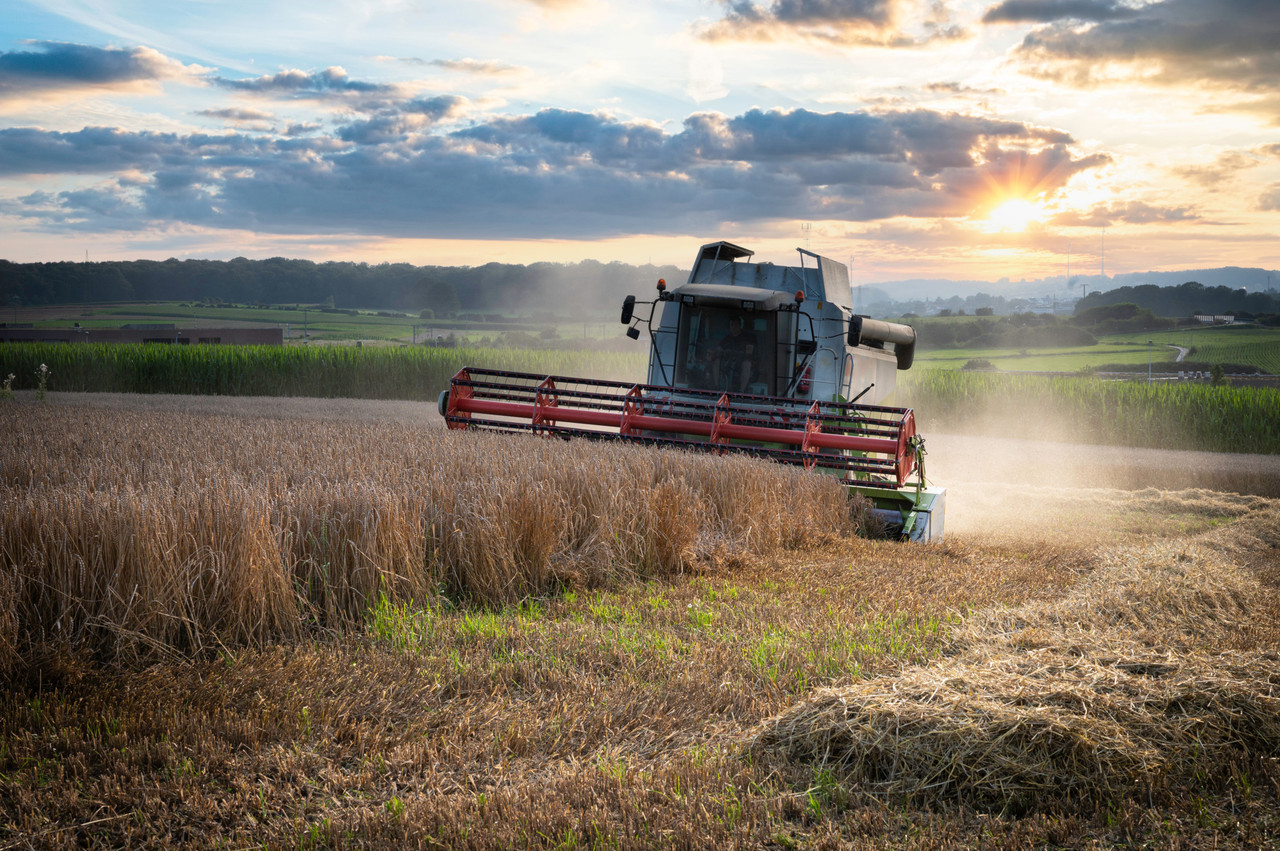
Five and a half months have passed since the start of the Russian war in Ukraine. The country is the fifth largest exporter of wheat in the world, exporting in 2020 $4.61B worth of the cereal, according to the Observatory of Economic Complexity. Countries in the Mediterranean and North African regions rely heavily on these exports, meaning that a blockage could, on the short term, endanger their food security.
The waiver will only be applicable for the crop year of 2023, limited to food crops and in conjunction with the systematic installation of honey strips (Blühstreifen) for fallow crops, and only if pesticide usage is limited to the bare minimum necessary.
Agriculture minister 
Read also
“In order to address this food crisis, to avoid a continued rise in basic prices and to meet short-term food security concerns, the agriculture minister is in favour of a derogation from crop rotation and the mobilisation of set-aside land,” the grand duchy’s agricultural ministry shared in a statement.
In May of this year, Luxembourg had already voiced its support for an EU proposal that would allow farmers to plant protein crops on fallow land to help prevent shortages expected because of the war in Ukraine. Fallow land is any arable land set aside for a period of time to allow the soil to recover.
The European Commission in March had said it is considering letting farmers use fallow land to grow protein crops for livestock feed, temporarily suspending farming rules that aim to preserve soils and biodiversity.
The exact measures to be implemented in this new waiver will be communicated at a later date, the ministry said. What it means for local farmers therefore remains unknown.
Delano has reached out to the Luxembourg farmers’ associations de Verband and the Jonk Baueren.