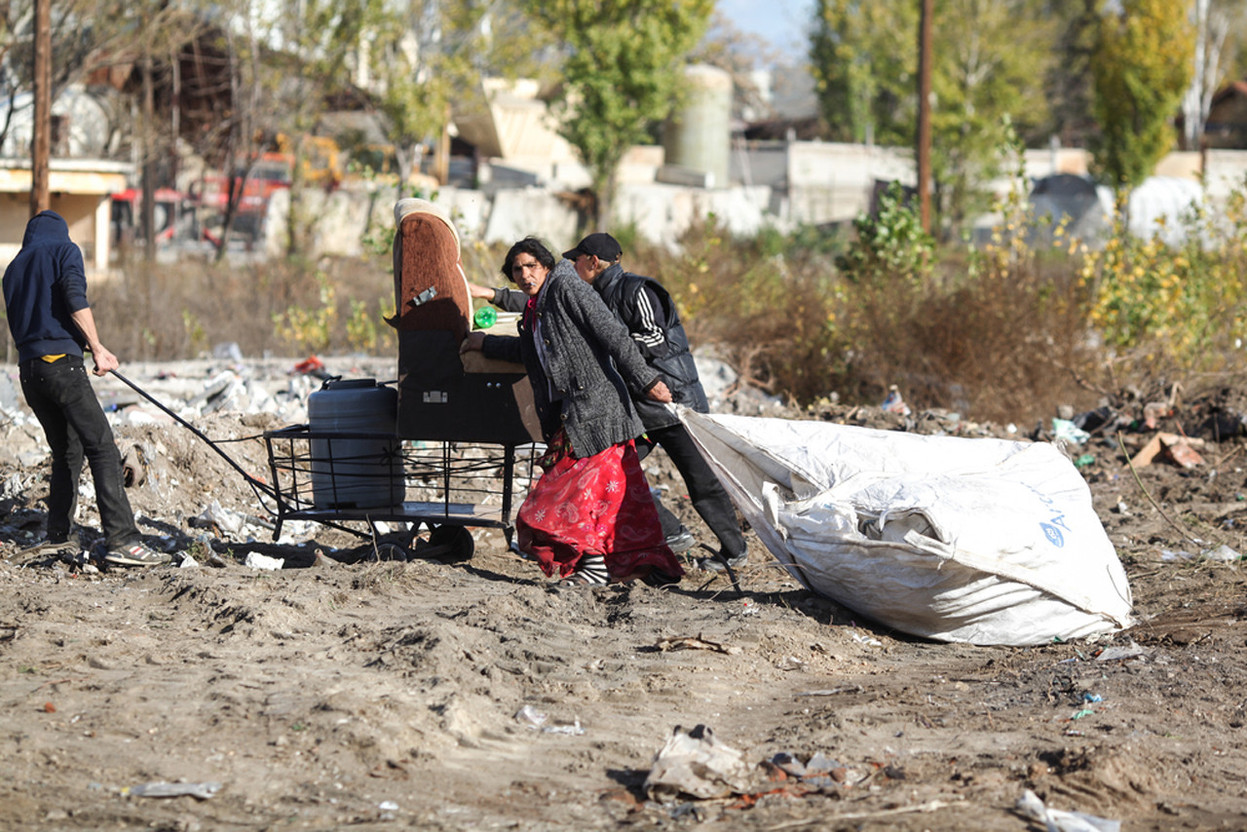
In Luxembourg, around 20% of the population lives under the threat of poverty, a proportion that the country has committed to reducing by one-sixth by 2030. Yet a significant proportion of the social assistance available is not claimed by its potential recipients: up to 90% of people eligible for certain benefits do not apply for them.
The exact number of households that could be eligible for aid without applying for it remains unknown, due to the lack of centralised databases and exhaustive studies. Only a few partial estimates exist, and they reveal massive non-use. For example, barely 23% of eligible households received the rent subsidy in 2022--which implies that almost three out of four households did not take advantage of this housing benefit. Similarly, the non-take-up rate for the cost-of-living allowance (allocation de vie chère, or AVC) is estimated at around 45%. For many other schemes (energy allowance, rent guarantee, etc.), no figures are available, a sign of the difficulty in measuring the true scale of the phenomenon.
There are several reasons why so many residents miss out on these financial boosts. The first obstacle is access to and understanding of information: while some well-known forms of assistance (such as the cost-of-living allowance) are applied for spontaneously; others, such as rent subsidies and rent guarantees, are not well known. In order to make sense of them, you need to know that they exist and be able to decipher administrative explanations that are sometimes considered too complex.
In addition to the difficulties in obtaining information, there are the often lengthy and discouraging procedures involved (forms to be renewed every year, waiting times of several months). Not to mention the psychological cost to people in precarious situations, who cite the shame of exposing their private lives or the fear of a stigmatising reception when they seek help. The result: many potential beneficiaries give up along the way, and a proportion of social assistance remains underused, despite the national objective of reducing poverty.
A “guichet social unique” to guide citizens
The cabinet meeting on 23 May endorsed the creation of a “guichet social unique.” This body, set up in the form of an economic interest group (GIE), will be tasked with combating the non-use of social benefits by raising awareness, informing and advising citizens on all the assistance available. In plain terms, the aim is to create a single entry point where everyone can find their way through the maze of social benefits (both national and local) and be guided through the process, so that fewer people fall through the cracks of the social protection net.
The new structure will comprise four complementary components: an online portal centralising all social assistance offered at national and local level, a social helpline, a physical counter and a mobile information team.
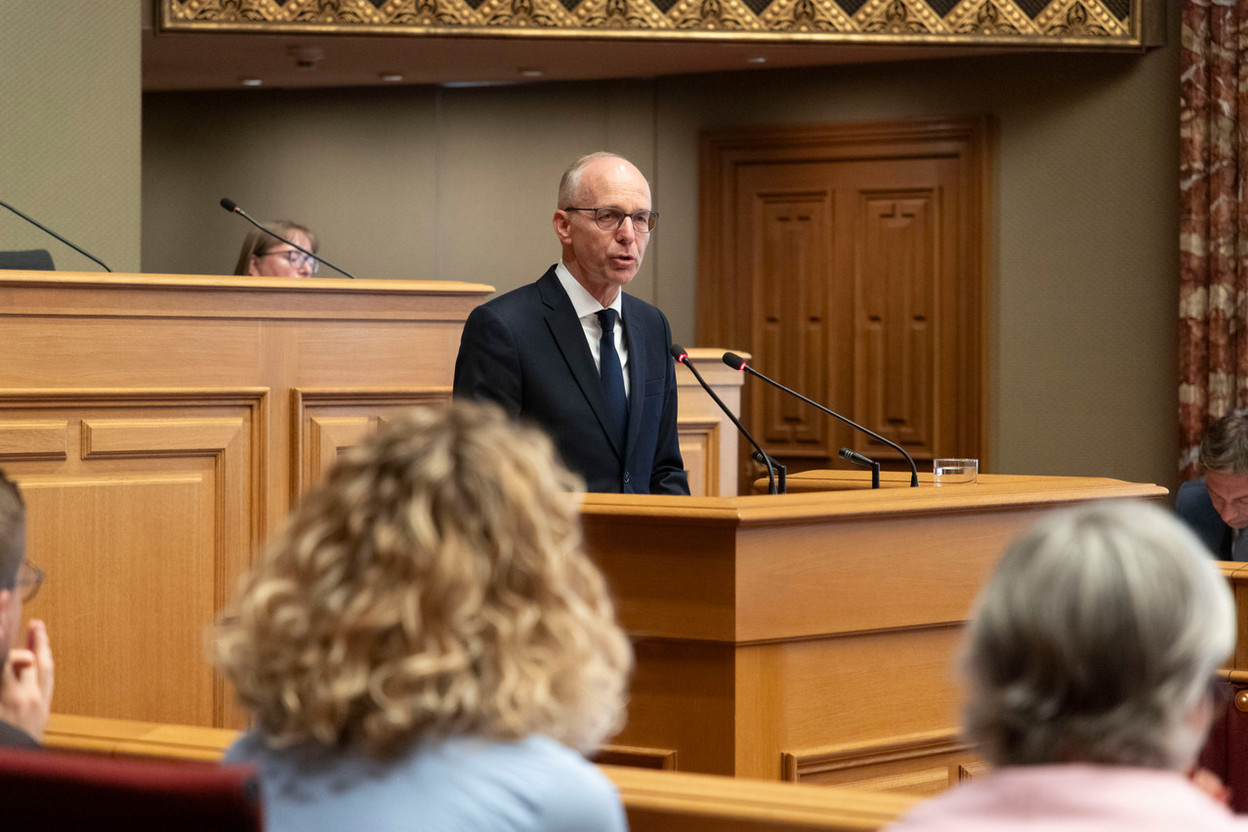
“The aim is to provide better information on the aid available, and to raise awareness among potential recipients and provide them with guidance,” said family minister 
To implement this one-stop shop, an alliance of institutional players has been formed within the GIE. This includes several key ministries--the ministry for the family, solidarity and living together (the project leader), as well as the ministries for education, housing, digitalisation and home affairs--alongside partners from the social field. The Entente des Offices sociaux (a federation of the country’s 30 municipal social offices) is also involved, as is the Fédération des acteurs du secteur social (Fedas), which brings together a number of associations involved in the fight against precariousness. This unprecedented collaboration between national administrations, local services and the voluntary sector aims to break down silos to better reach the target audience. Each will contribute its own expertise: the ministries will provide information on aid falling within their remit, while those working on the ground will feed back the needs of the population and provide a local presence.
The state budget for 2025 has earmarked a budget of €2m dedicated to its implementation of the one-stop social service.
This article was originally published in French.