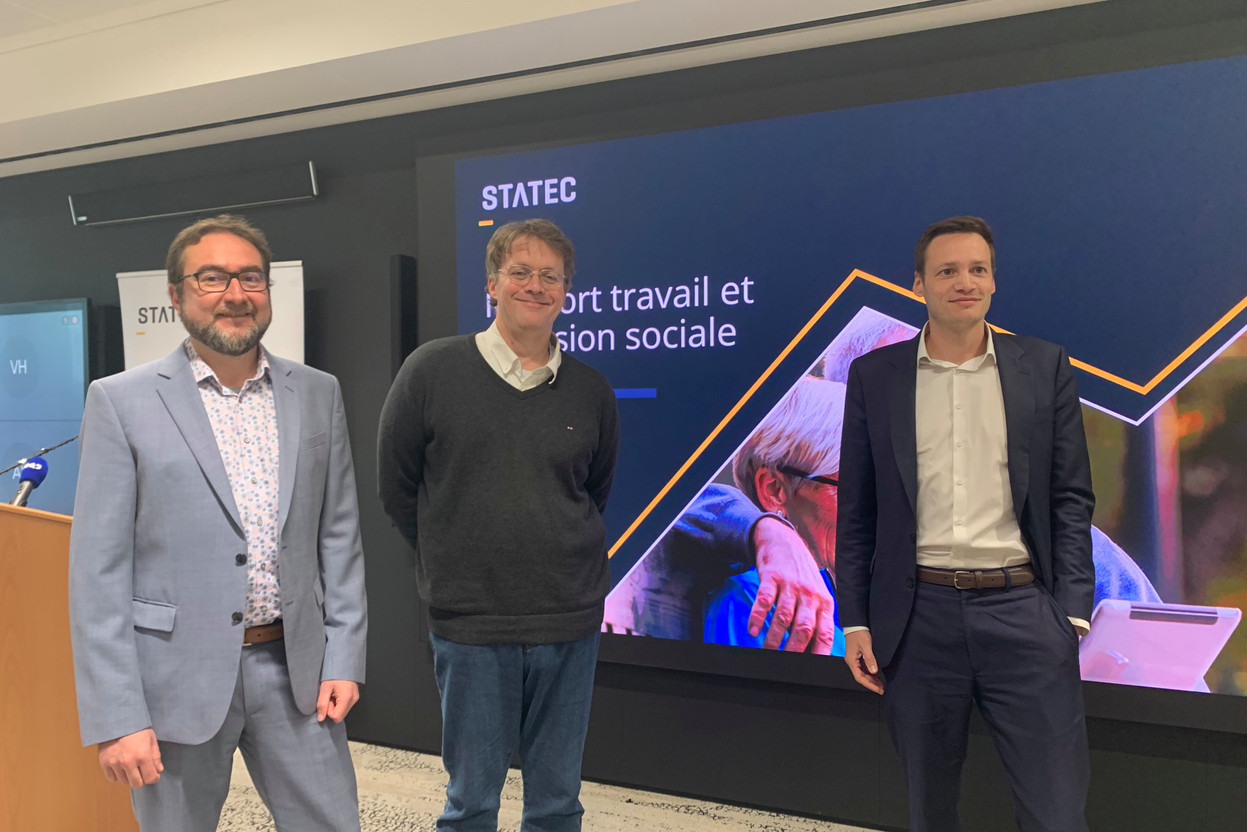
A significant proportion of pensioners in Luxembourg receive a low pension, sometimes very low, without appearing as poor in the statistics. This is a reality and a paradox highlighted by Statec in its 2025 report “Work and Social Cohesion”, published on Wednesday 12 November. In it, the finding is clear: “A quarter of pensioners report a net personal pension below the minimum pension,” i.e. less than €2,061 per month.
The phenomenon is largely gendered, affecting 38% of women and 13% of men. Pensions below the minimum are mainly paid to people who have worked for less than 40 years, but also affect “22% of those who have worked for more than 40 years”, which belies the idea that a full career is enough to guarantee a decent pension.
The report also shows that women’s career paths account for a significant proportion of low pensions. Many women “accompanied their spouse who came to work in Luxembourg” and carried out “small-scale professional activities, the spouse’s income being deemed sufficient”. Other factors exacerbate their risk: “being married or in a couple and not having any children” excludes them from access to the Mammerent (annual allowance paid in Luxembourg to women and, since 2023, to men who have raised at least one child). These pathways are superimposed on jobs “in low-paid sectors”, often held by foreign women, revealing, “non-continuous or partially non-contributory careers”.
Income “above the reference budget”
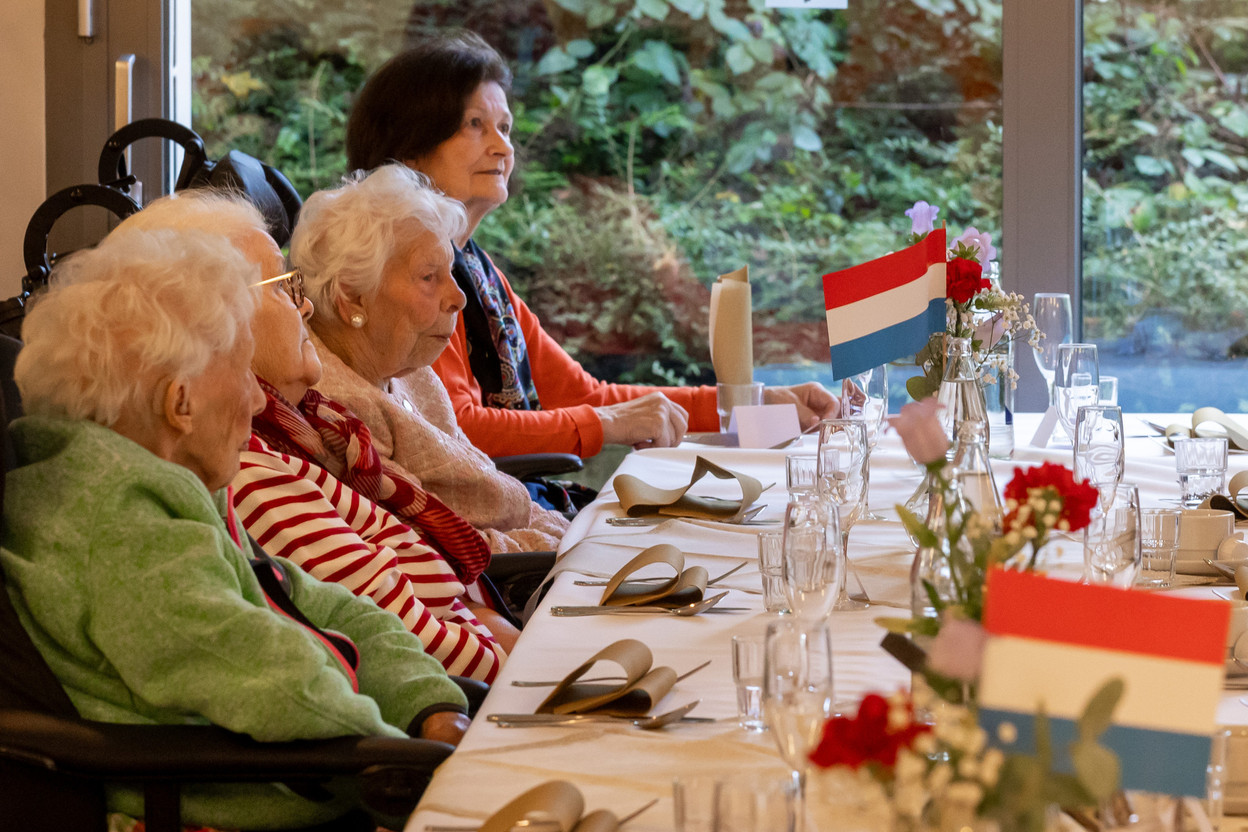
However, receiving a small pension does not automatically mean living in precariousness. The Statec explains that “the standard of living of pensioners is significantly higher than that of the rest of the population”. In 2024, their median standard of living will reach €4,701 per month, 14% higher than that of non-retirees. This paradox stems from the fact that pensions are analysed at the household level, with many low-pension retirees living in couples, where the spouse’s income largely offsets low individual entitlements.
It is this “intra-household compensation” mechanism that partly masks the scale of low pensions, particularly among women. The report stresses that despite low personal incomes, “the majority of senior couples have an income above the reference budget.” On the other hand, single people are much more exposed. The statistics institute states that “the minimum old-age pension is not enough to cover the basic needs of a single senior” and “14% of pensioners living alone” have an income below the senior reference budget.
Invisible pensioners
These data show that it is not small pensions in themselves that create the greatest vulnerability, but the absence of a second income. Precariousness primarily affects single pensioners, particularly divorced or widowed women from low-skilled occupations, whose pensions remain “below the senior reference budget”. The report stresses that these women remain “particularly vulnerable” despite a pension that is sometimes equivalent to the statutory minimum.
Behind the favourable averages, Luxembourg has a population of invisible pensioners, including women who have worked intermittently, migrants who have paid contributions in several countries, and workers from low-wage sectors. People whose individual entitlements are low, but whose situation remains statistically “correct” as long as their spouse contributes. The Statec raises this paradox unambiguously, pointing out that “receiving a relatively low pension does not necessarily imply a lower standard of living”.
This financial dependence on the spouse raises a central political question: are these pensioners really protected, or simply supported by family solidarity? And what will happen when this solidarity fades with future generations who are more single, divorced or have more fragmented careers? These are just some of the questions being added to the debate on the future of the pensions system in Luxembourg.