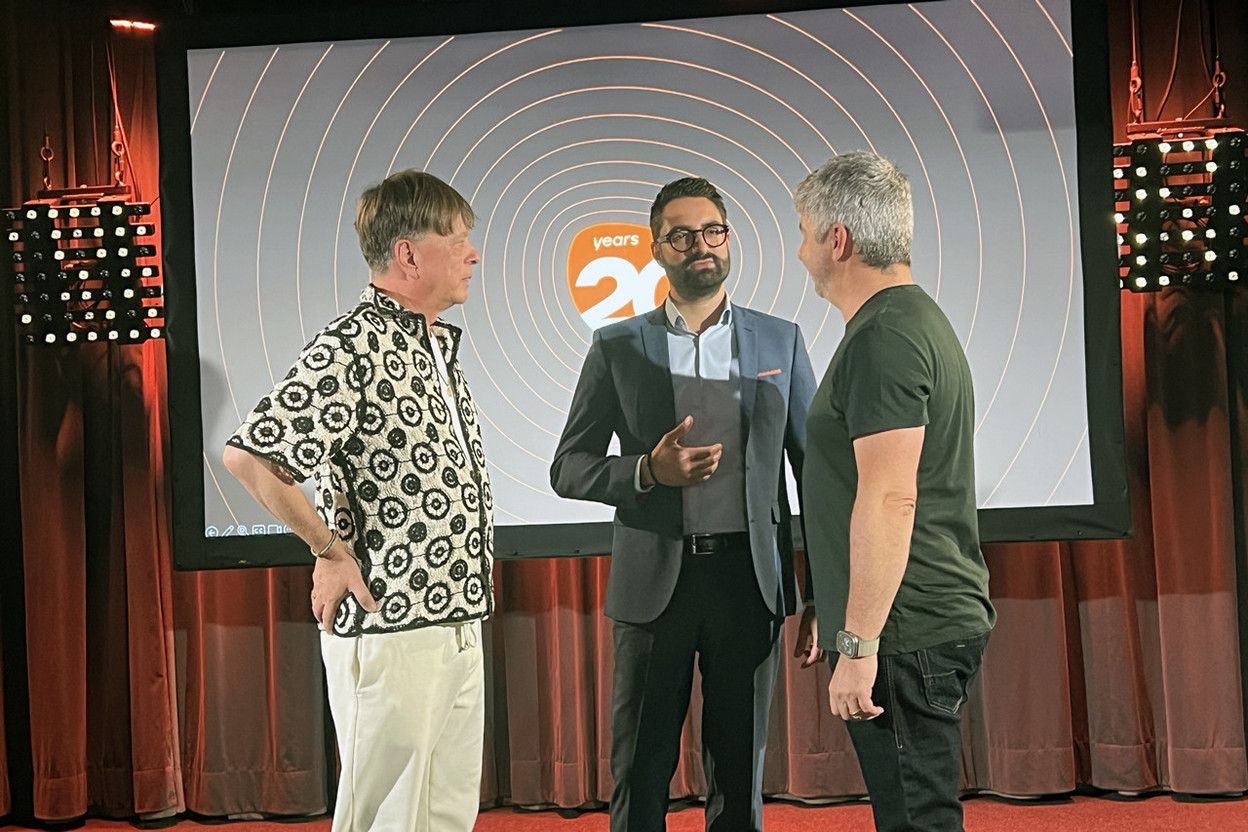
Paperjam: What was the Rockhal intended for when it was born 20 years ago?

Luc Henzig (LH): From an institutional point of view, the Centre de Musiques Amplifiées is a public institution (under the law of 26 May 2004) with a dual mandate: to promote music at the highest level (the Rockhal and its various stages) and to promote creation (the Rocklab as a resource centre). This mandate is broken down into clear objectives: to support the artists, provide unforgettable moments for the public and equip the organisation to deliver these missions in the long term.
OT: For the public, the Rockhal was launched in two stages: in June 2005 for the Fête de la Musique, with a day of concerts to break in the venue (Girls in Hawaii, Fluyd, Metro), then the official opening with The Prodigy on 23 September, followed by Korn the next day, in front of 5,400 and 5,000 people respectively. Two nights that immediately put the Rockhal on the international touring map.
The Rockhal has played host to some of the biggest names. What events have made the biggest impression on you?
OT: The opening weekend is still a seminal one. Then Daft Punk in 2007: an aesthetic and technical shock. The set design for Alive 2007 changed our standards. More recently, the Because Music Matters series in 2021, test concerts organised with the Health Inspectorate to prepare for a safe recovery.
LH: Because Music Matters has proved the usefulness of a national venue when everything comes to a standstill: getting the music going again, reminding us of our role in wellbeing and social ties.
How has Rockhal evolved in Luxembourg’s cultural ecosystem?
OT: The Rockhal has evolved from a concert venue to a structuring player. Our three stages host major tours and niche aesthetics, while the Rocklab supports artists.
LH: This development is also based on networks and cooperation that are useful to the industry. The wider distribution of content via YouTube or RTL Play strengthens the local scene.
OT: We have also consolidated our position as a benchmark venue in terms of customer experience: balcony to the Club, redesigned sound system, digital signage, automated bar.
LH: With more than 200 events and 250,000 spectators in 2024, the Rockhal occupies a central position in Luxembourg and beyond.
How has the Rockhal transformed the national music scene?
OT: We have raised the professional level accessible to Luxembourg artists. They rehearse and perform on stages calibrated to international standards. We also organise demanding support acts to give them real exposure.
LH: Our technical standard pulls the whole ecosystem up. With free Rocklab membership, we have democratised access to resources. The proceeds from the Rockhal co-finance this sustainable support. We’ve also standardised practices (technical, security, production, administration), professionalising the entire chain. Finally, we put the teams in touch with networks, agents and peers in the Greater Region and beyond. The result is more operational artists, capable of meeting the expectations of tour operators and festivals.
How do you support the musicians at Rocklab in practical terms?
OT: We give them the tools, support, network and opportunities they need to develop via three axes: create (infrastructure and equipment to rehearse, create, prepare); grow (information, networking, tailor-made programmes, member meetings); and play (formats and events to share their creations in Luxembourg and internationally).

The Rockhal, the beating heart of the music scene in Luxembourg. Photo: DR
LH: For example, the Rocklab Pop-Up Sessions videos, launched during the pandemic, offer a filmed live format enhancing iconic venues across the country. The Screaming Fields festival, a flagship project, has established itself over 15 years as a springboard revealing talents such as Francis of Delirium, MAZ, CHAiLD, TUYS, C’est Karma, Chasey Negro, Culture the Kid and Ninon.
What are the challenges for Luxembourg artists, and how can Rockhal help them?
OT: The challenges are many: small market size, difficulty in making a name for oneself beyond, professionalisation in a changing sector, balance between creativity and entrepreneurial management.
LH: The CMA acts as a catalyst by helping musicians strengthen their skills, connect to international networks and find new opportunities, for example via songwriting camps linked to Eurovision.
OT: We also work upstream with projects like You Can Sing to awaken the creativity of younger people. This ties in with our 4th strategic focus, “discover,” dedicated to cultural and educational initiatives for children and teenagers.
How do you articulate the international mission and local support?
OT: In practical terms, we’re combining the two missions: “main hall and club” for touring, and “floor and club” as a launch pad for local emerging talent. We programme opening acts based on artistic affinity, organise showcases (Rocklab Live Sessions) and release shows.
LH: This is the translation of our dual public mandate: to broadcast at the highest level and to support creation. The revenue from the big shows co-finances the support. What’s important is the clear link between distribution (Rockhal) and support (Rocklab). An artist can enter through the Rocklab, build up their skills, then perform at the Rockhal at the right time.
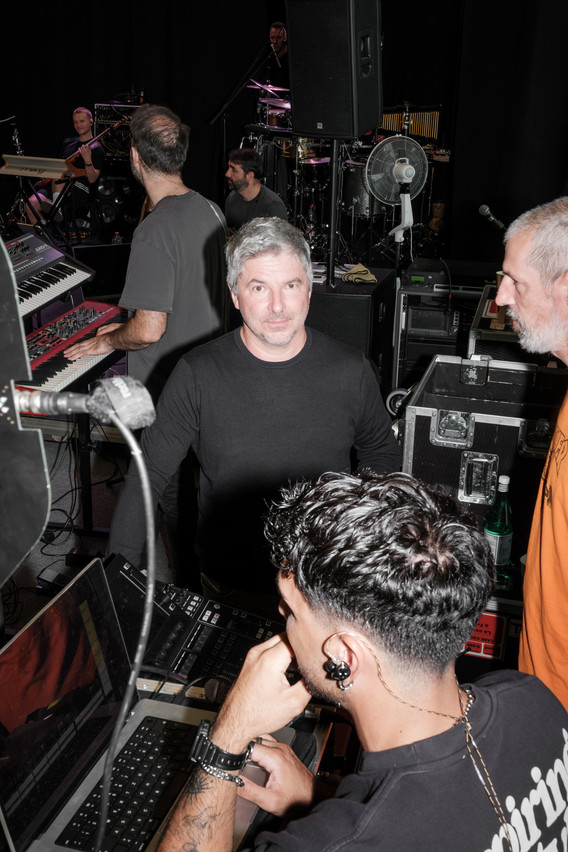
Olivier Toth: “We’re going to continue to offer a diverse, high-quality programme that will have an impact throughout the Greater Region.” Photo: Pancake! Photographie
What are your projects or areas of development for the coming years ?
OT: We’re going to continue to offer a diverse, high-quality programme that will have an impact throughout the Greater Region. In terms of infrastructure, we want to offer spectators and artists a memorable experience thanks to state-of-the-art facilities and services.
LH: In all our endeavours, we remain driven by our missions of dissemination and support, and are careful to maintain the unique and virtuous balance between Rockhal and Rocklab.
How do you see the Rockhal in 20 years’ time?
OT: I imagine the Rockhal as a European benchmark for the live experience: an inclusive, fluid, modular venue that respects the environment, always a hub between international and local, with a living memory of concerts and backstage.
LH: For artists, a real campus: preparation, residencies, targeted support, access to stages at the right time, strengthened links with networks in the Greater Region. The CMA will remain an open and unifying institution, encouraging the creativity of young talent all the way to the major international stages.
Three words from Luc Henzig
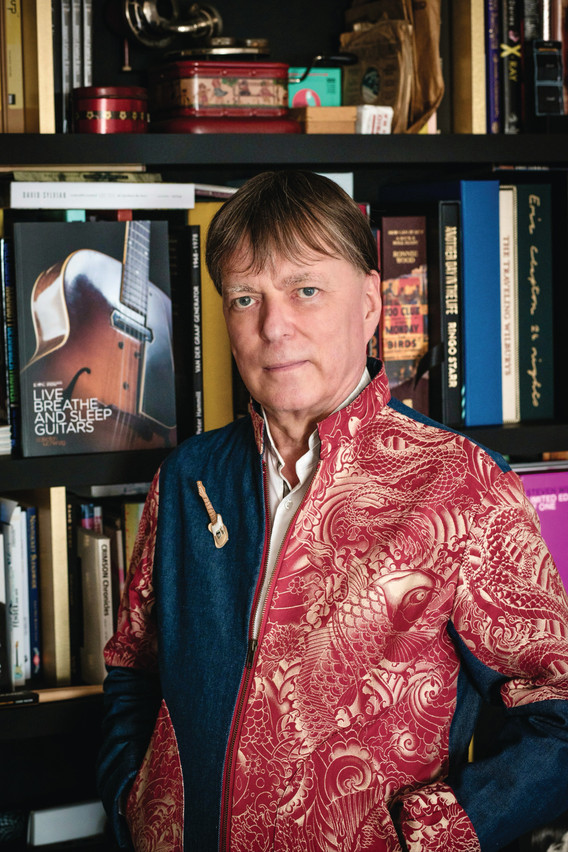
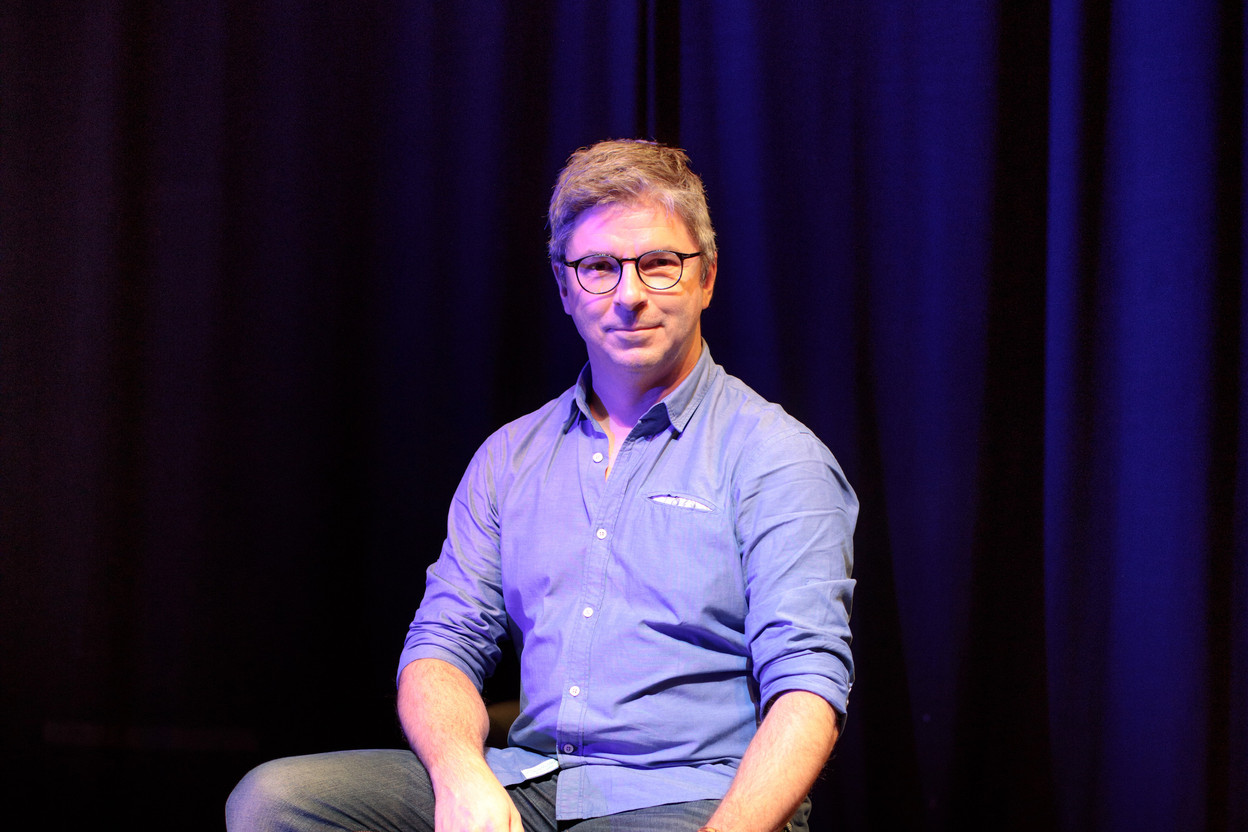
Luc Henzig is chair of the board of Rockhal. Photo: Anne Lommel
Pillar. “With more than 200 events and 250,000 spectators in 2024, the Rockhal occupies a central position in Luxembourg and beyond.”
Catalyst. “Our technical standard pulls the whole ecosystem up. With free Rocklab membership, we have democratised access to resources. The proceeds from the Rockhal co-finance this sustainable support. We’ve also standardised practices, professionalising the entire chain.”
Double mission. “What’s important is the clear link between distribution (Rockhal) and support (Rocklab). An artist can enter through the Rocklab, build up their skills, then perform at the Rockhal at the right time.”
This article, originally published in French, was written for Paperjam magazine for the month of October 2025, published on 24 September. The content is produced exclusively for the magazine. It is published on the site to contribute to Paperjam's comprehensive archive.
Click on this link to subscribe to the magazine.
Is your company a member of the Paperjam Club? You can request a subscription in your name. Let us know via club@paperjam.lu.