€12.4m in 2020, €55.7m in 2021, and potentially €47.8m in 2022 in negative according to the forecasts: the deficit of the national health fund CNS is becoming chronic. As a result, the reserve is melting: from €971.3m in 2019, it could fall to €855.2m by the end of 2022.
To deal with this situation, a working group around financial sustainability was set up at the last meeting of the quadripartite committee in May. The group’s aim is to identify possible avenues to ensure the financial equilibrium of the health and maternity insurance budget.
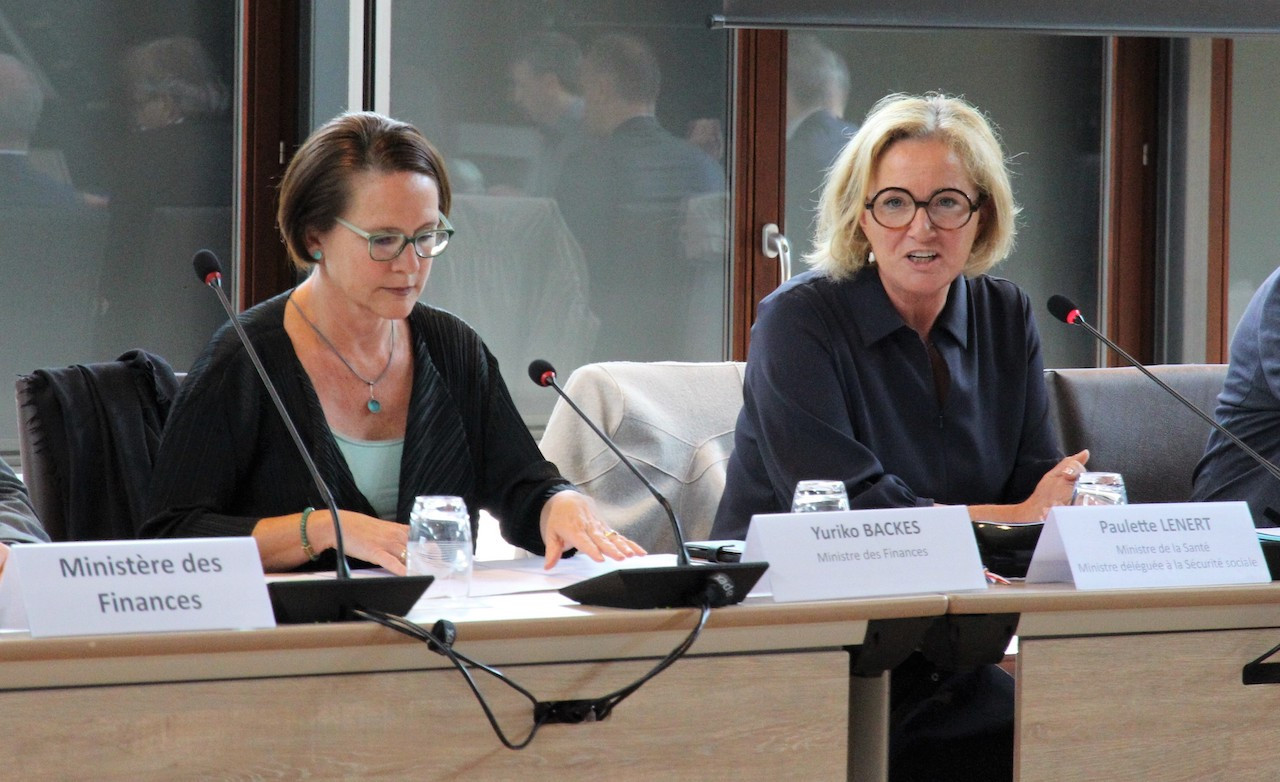
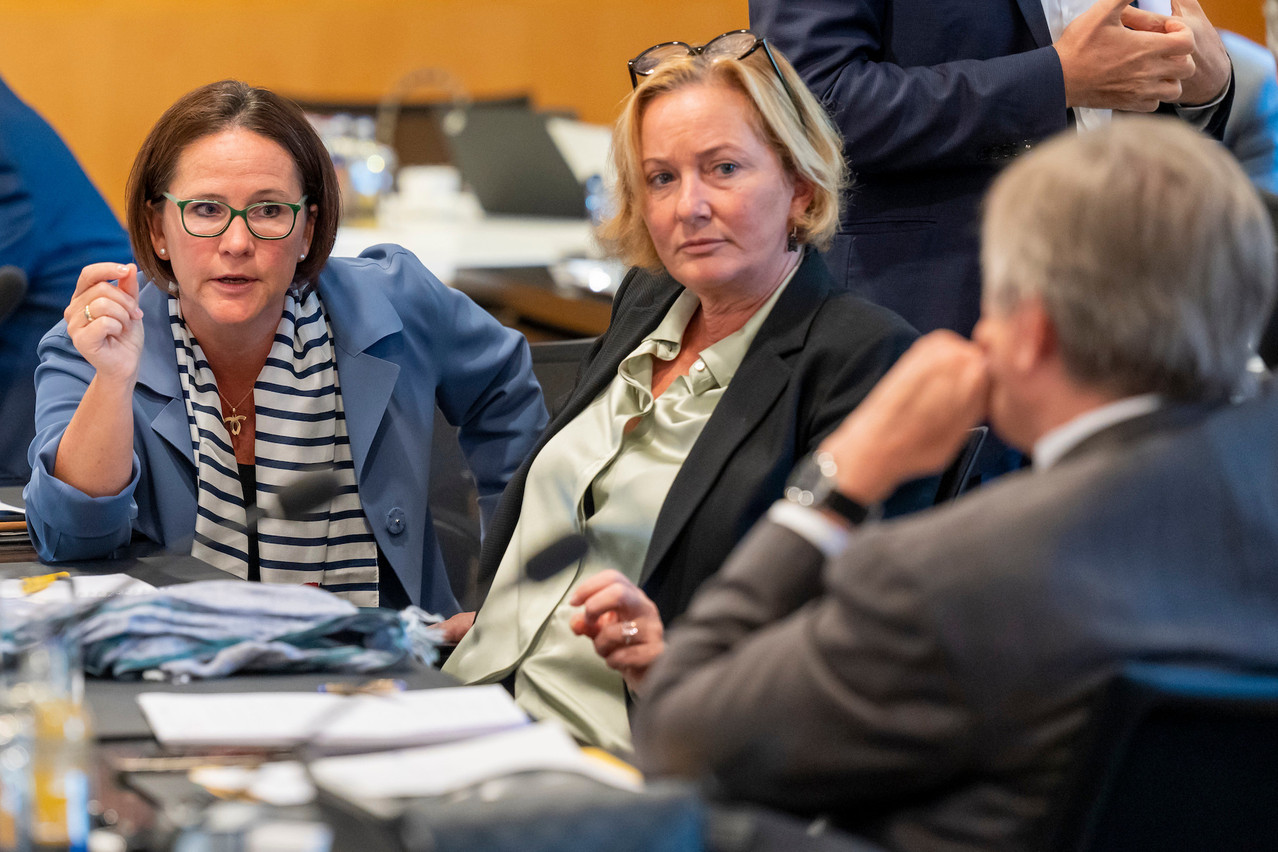
The aim of the quadripartite meeting to be held on Wednesday evening in Mondorf will be to take stock of the group’s work. It will bring together the ministers of health, social security and finance, as well as all the parties involved in the governance and operation of maternity health insurance.
"Something has to change, even if there is no immediate urgency to make that change", health minister 
The cost of the pandemic
In 2019, however, the situation was quite different: the CNS had a profit balance of €101.6m. The covid-19 pandemic has reversed this trend. The overall cost of the various measures financed by the CNS amounted to €417.5m. This cost has affected the years 2020, 2021 and 2022. For example, in 2020, the extended family leave cost €238m, then €50m in 2021 and in 2022 (as of 31 March) €11m.
The heavy impact of the pandemic should nevertheless diminish over time. The deficit is expected to fade and then disappear. "The recent more favourable macroeconomic scenario allows the health insurance scheme to reverse the deficit trend and post a positive balance from 2023 onwards," notes the finance ministry in its latest multiannual budget. Thus, the balance “should predictably improve by around €60m to €90m per year between 2023 and 2026, reaching €32m at the end of the projection period”.
Structural deficit
The fact remains that, while the pandemic has had a very heavy impact on the CNS’ financial balance sheet, it has only amplified a phenomenon that was already underway. "The CNS is once again reporting a deficit that must be described as structural, with the increase in expenditure exceeding that of revenue since 2018," the CNS notes in its 2021 annual report, published on Monday 17 October.
"Forecasts show that this situation will not improve," the CNS adds, assuring that "it is thus becoming imperative to contain the evolution of expenditure, which must not grow faster than revenue to ensure the sustainability of our healthcare system." It is therefore up to this autumn quadripartite to try to provide answers.
"I expect this working group to come up with several proposals, alternatives, to determine how we can finance," explains Lenert. "One easy solution is to increase the contributions, but there are other solutions. For example, the question of quality of care is essential: how to reduce the need for care, how to stay healthier longer, how to identify the diseases that weigh heavily and what to do in terms of prevention--this remains the most effective solution in the medium and long term."
This story was first published in French on Paperjam. It has been translated and edited for Delano.