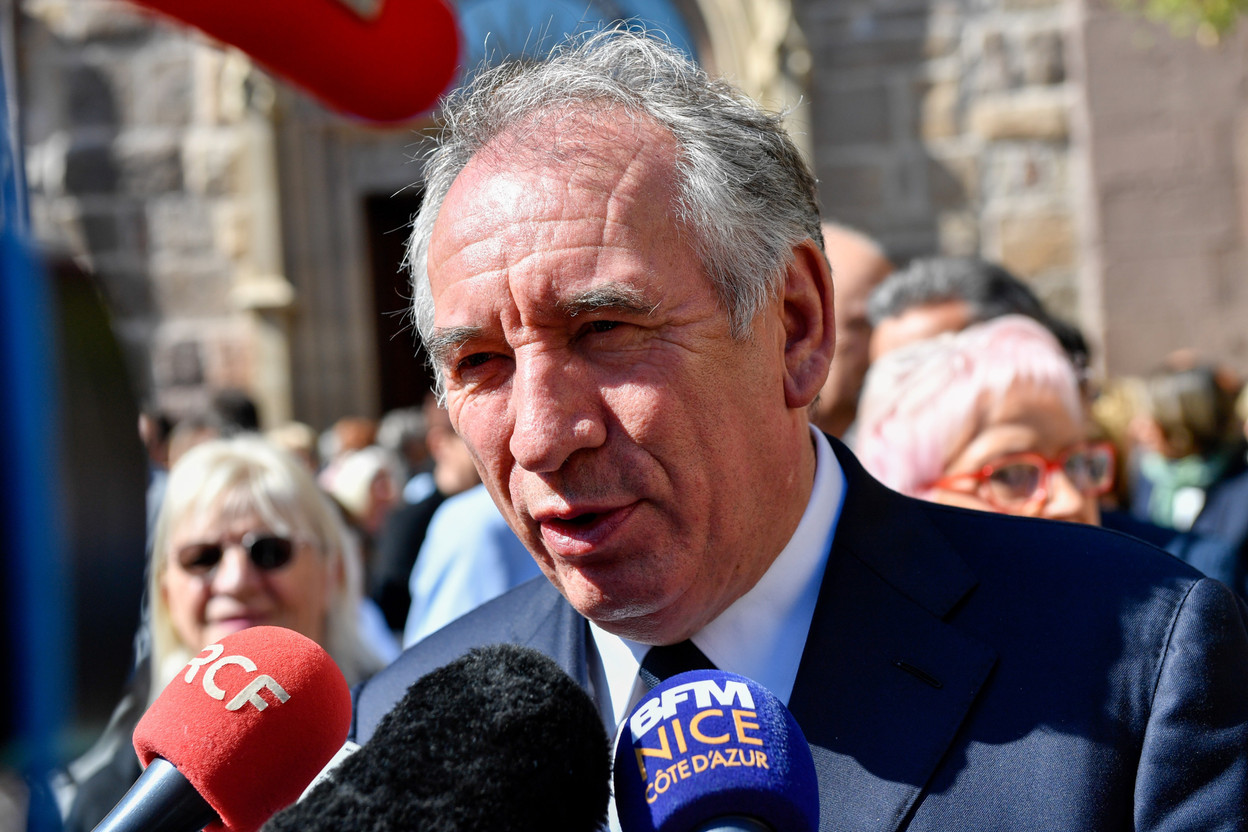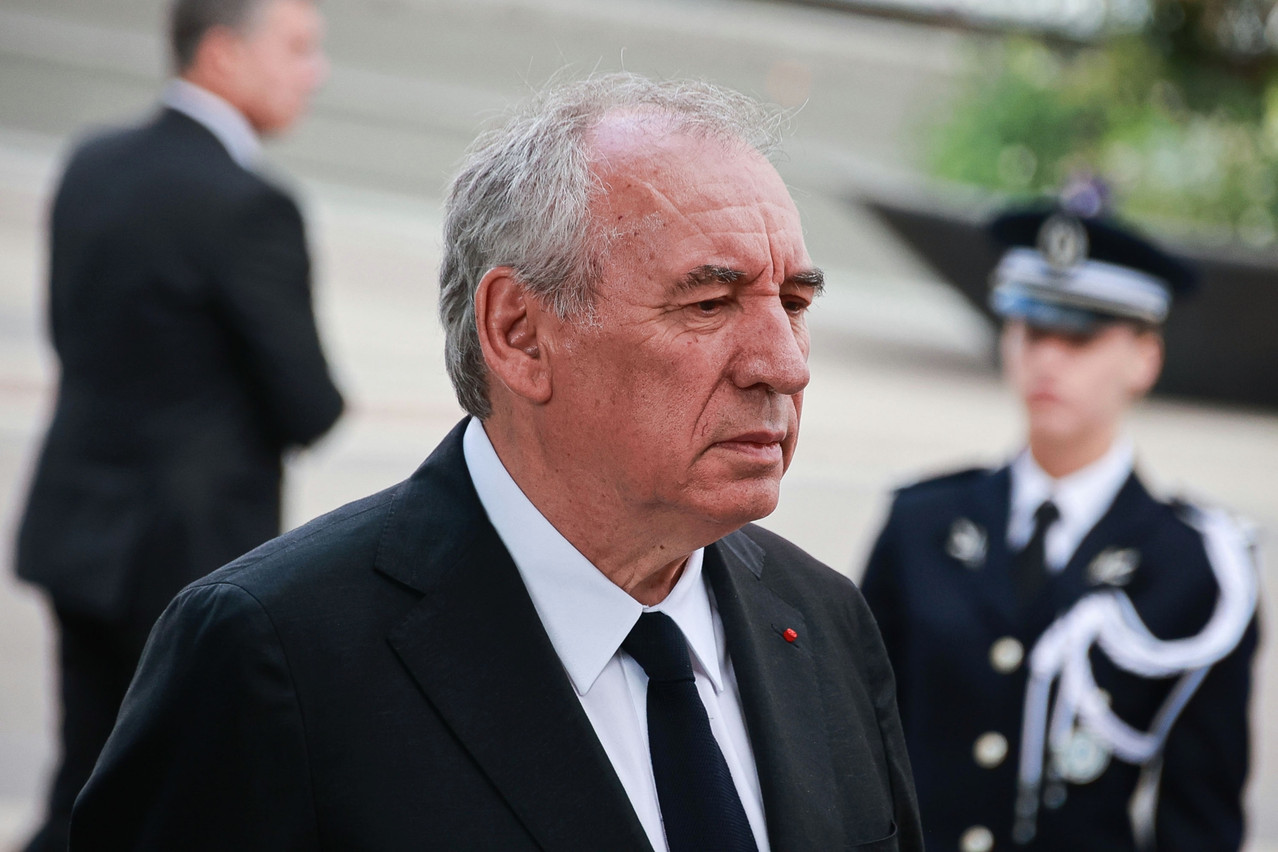
In an orientation document sent on 8 August to the social partners--and revealed a few days later by AFP and Les Échos, preparing for the discussions due to start on 1 September--French prime minister François Bayrou reaffirmed his desire to abolish two public holidays in order to find savings for the 2026 budget. The public holidays concerned are Easter Monday and 8 May. “Any specific arrangements to be made for Alsace, Moselle and Saint-Pierre-et-Miquelon may also be discussed, where the 1905 law separating church and state does not apply,” the document stated.
This was a sentence that caused some elected representatives in the Grand Est region to raise their voices, concerned about their local situations, namely the two additional public holidays on 26 December and Good Friday. They have finally been reassured in recent days that “only national public holidays are affected,” Brigitte Klinkert, MP (Renaissance) for Haut-Rhin, told BFM TV in particular.
The French government has asked the social partners to take a position by 1 September, with a view to concluding negotiations by 30 September.
This article was originally published in French.