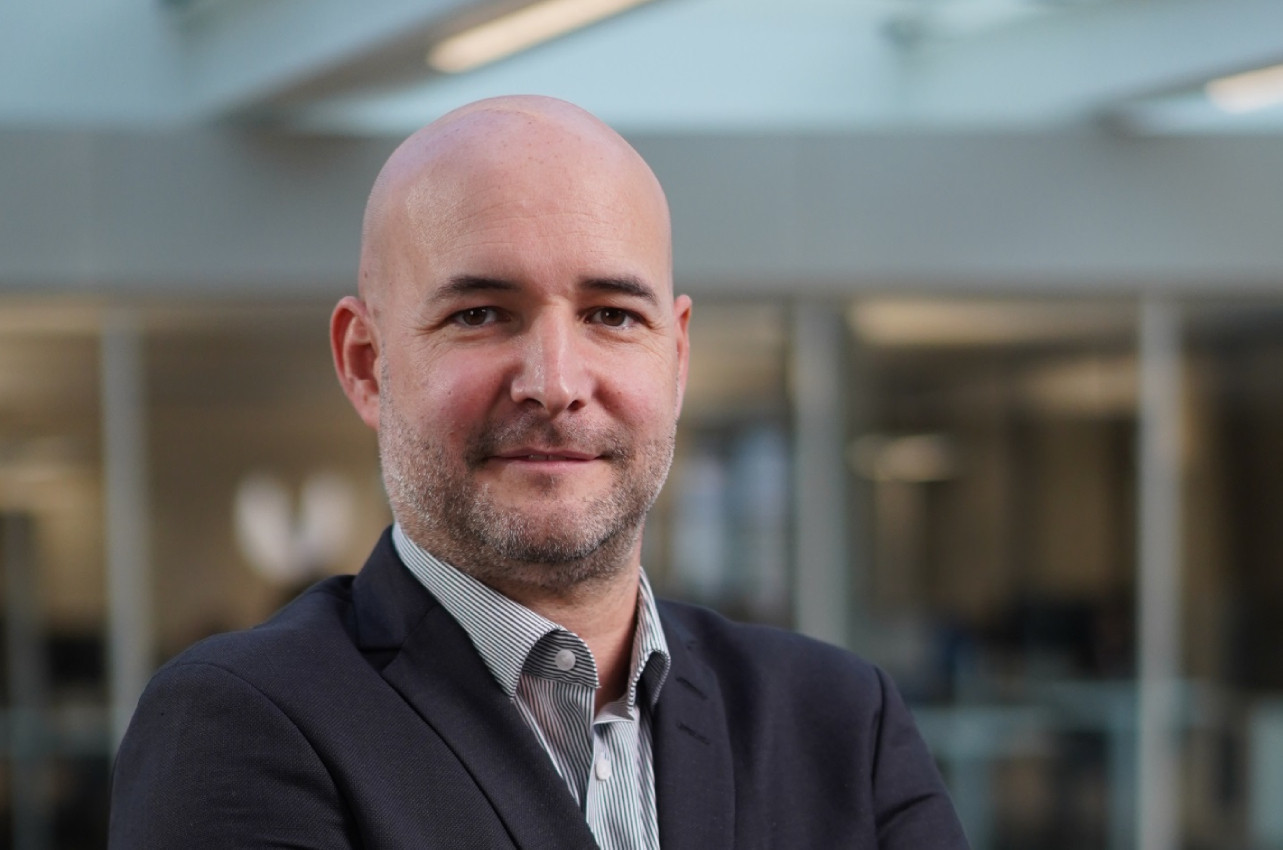
The 112 emergency number continued to operate, assures Proximus Luxembourg’s chief technology officer (CTO), Gilles Mulheims. He calls for a good understanding of how everything works before making political decisions that have a lot of impact.
Thierry Labro: For you, would national roaming change anything at all?
Gilles Mulheims: People need to understand how it works! The services you use, via your Sim card or data, always come from the operator you have a contract with. Even when you’re abroad... You have a Luxembourg IP address, no matter where you are in the world... Post’s problem is linked to the gateway. Even national roaming would have had no positive impact.
There are two different aspects, aren’t there? Communication for the general public who find themselves without internet and communication with the country’s emergency or essential services. What can be done to improve things?
The 112 number is not attached to the network. It is recognised as an emergency number everywhere. Some Post customers dialled 112 during the blackout and used our network, which worked very well. No one was able to reach 112 and the number of calls doubled compared to the day before the incident.
So what was a customer supposed to do?
Don’t forget that in Luxembourg, many people have several smartphones: often they have a personal phone and a professional phone, and one or the other may not necessarily be linked with Post. All they had to do was change their default network--that of Post--to another. It works for everyone. It’s a general rule, but there are cases where it doesn't work. For me, this is what the operators should be testing over the coming weeks to find a solution. The 113 number won’t work because 113 is a Luxembourg invention; it doesn’t exist anywhere else, to my knowledge. And it’s not recognised by the switchboard as an emergency call.
To avoid a large part of the country being left without internet, what should we do?
This is a very complex issue. Incidents like this have happened in the past and will happen in the future. No one can guarantee that they can be 100% avoided. I can’t tell you when the next incident will occur, but I can tell you with certainty that there will be one. That’s the nature of our business. We have to ask ourselves what impact this accident has had, and those who offer associated services and who were affected should have redundant operators. The only advice I can give is to have access to two operators--that’s all.
Would the Tango and Orange networks have been able to absorb all the traffic?
Post has many more customers than we do, so if we wanted to absorb their traffic, we’d have to double our capacity. It just doesn’t make sense. We can’t handle that. It would have brought the network down.
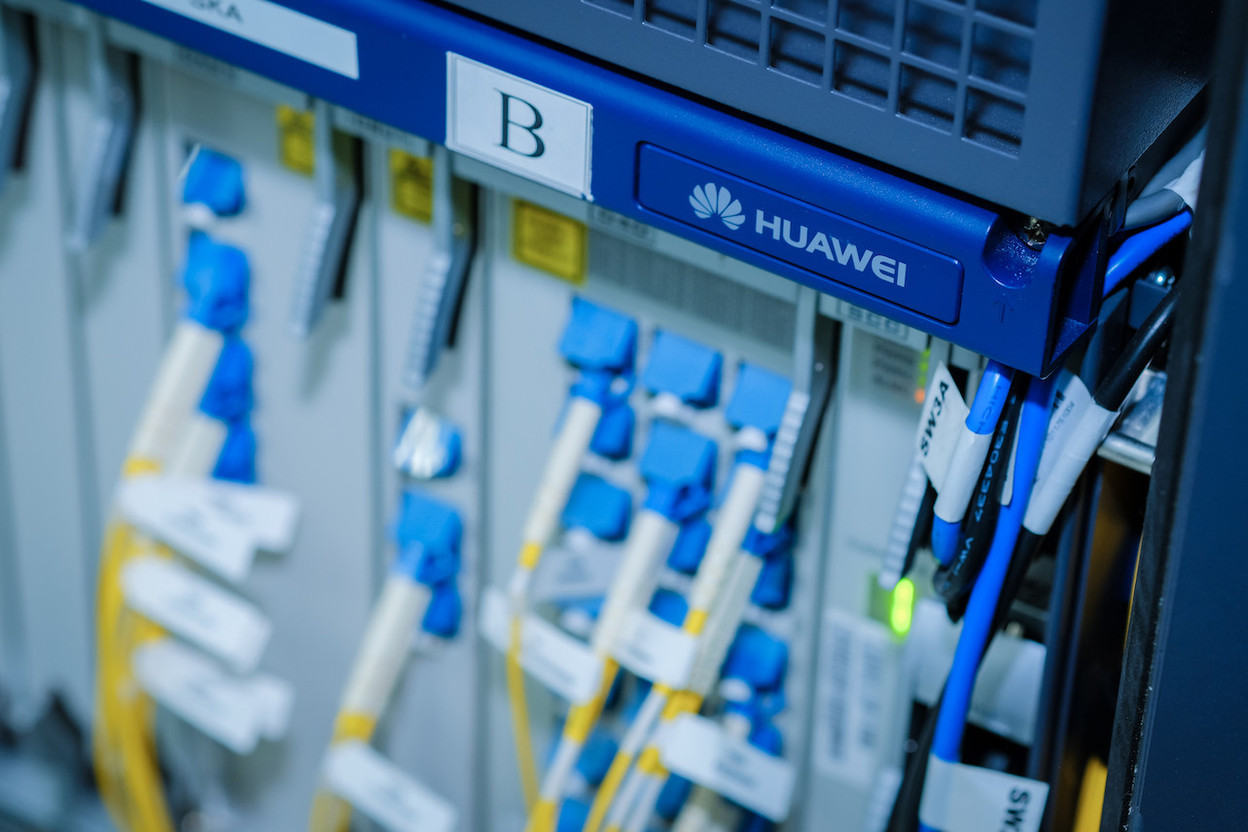
Do you have a position on Chinese equipment? Is Chinese equipment more problematic than American or Israeli equipment?
This is more of a political question. On the technical side, no one has ever shown that Chinese equipment is less secure. Some people have talked about spying or backdoors, but that’s speculation. We’re simply not immune. We have only had Chinese equipment in places that do not have direct access to our core business. We were cautious because the controversy was already there.
When one is a political leader, shouldn’t one still provide for a minimum of national roaming, for special cases?
In situations of war or natural disaster, why not. But the first to invest will lose out because the others will just use the existing infrastructure... This is something we should be looking at in the coming weeks and which could be activated in the event of a national crisis... but we can’t predict it from one minute to the next.
It would have to be prepared and tested by small groups, on a regular basis, so that it would work when needed. Unfortunately, politicians often jump to conclusions that aren’t necessarily the right ones because they don’t have the full picture.
This article was originally published in French.