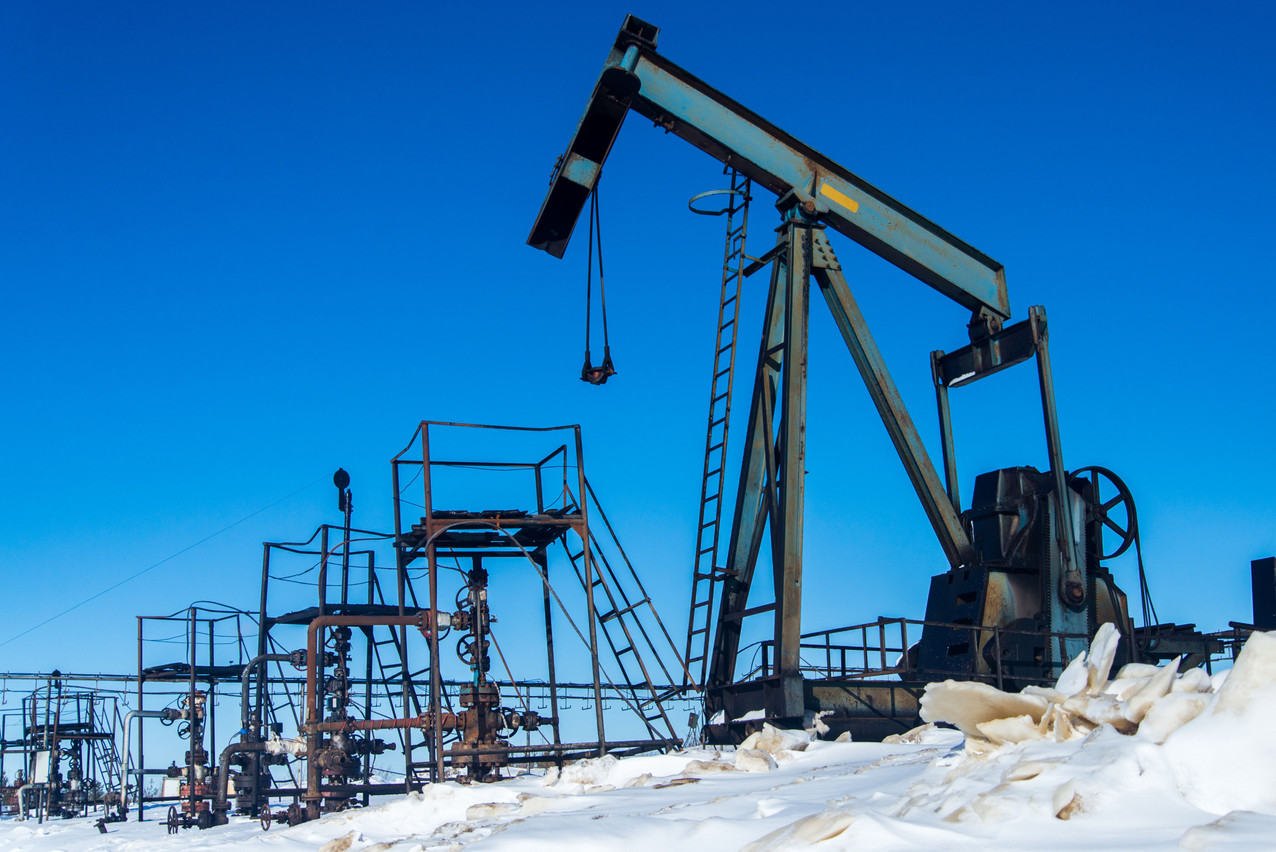
On Monday morning, the European oil benchmark, Brent crude, climbed to $139.13, marking a 17.8% increase. In the US, West Texas Intermediate Crude Oil (WTI) rose by 12.81%. These prices are the highest since 2008. This significant rise in the price of the so-called black gold comes in the light of the possibility of a US embargo on Russian oil exports.
For fear of a massive impact on consumers, Washington had until now resigned itself to not considering such an economic retaliation measure against Russia. The situation on the ground, the humanitarian crisis and alleged war crimes against Russia finally led the Biden administration to put the subject of an embargo on the table.
With several Western countries having asked the International Criminal Court to open an investigation into possible war crimes on Ukrainian soil, the Court began its investigation procedures on Monday morning. The United States will follow the case closely, while collecting its own information.
Going even further, the US State Department is said to have already begun discussions on new joint measures with the European Union.
Fear of price volatility
The announcement of a possible embargo on Russian oil was immediately felt on the world's stock markets. The Asian stock markets were the first to feel the pinch. The Hang Seng index in Hong Kong, which fell by 5% in early trading, recorded its worst drop in seven months. In Japan, the Nikkei 225 fell 3.6%. South Korea's Kospi fell by 2.5%.
Following in the footsteps of the Asian equity markets, the European stock markets started also marked a sharp decrease. The CAC 40 fell by 4.94%, the DAX in Frankfurt by 4.18%, the FTSE in London by 1.85% and the BEL 20 in Brussels by 3.5%.
Across the Atlantic, the Dow Jones fell by 1.3%, the S&P 500 by 1.6% and the Nasdaq by 2%.
In line with the global stock market trend, the CBOE Volatility Index (VIX), considered the fear index, rose by 4.93% this morning, raising fears of increased price volatility.
Declines in equity markets and fears of high volatility are nothing new in the Ukrainian conflict. Four days after the armed conflict in Ukraine began on 28 February, William de Vijlder, group chief economist at BNP Paribas, said that “research shows, however, that the effect of a severe decline in equity prices on the real economy is quite small”.
27% of Russian oil imports
“Commodity prices are a crucial transmission channel, especially oil and gas prices as Russia covers 27% of the EU's oil imports and 38% of its gas needs,” said De Vijlder.
As Schroders analysts point out, “Russia exports 5.5 million barrels of crude oil per day, of which 3.5 million are destined for Europe”. In addition, “about 1.2 million barrels of refined oil products are also exported to Europe”.
If the sanctions are extended, European oil imports could therefore shift to other countries. “But there was already a deficit in the oil market and this could increase significantly in 2022,” Schroders notes.
With OPEC's spare capacity still limited, the West may well be forced to re-engage with countries with which diplomatic relations had become difficult. For example, the US has already announced that it is holding talks with the Venezuelan regime under Maduro to find alternative sources of oil. Iran could also be an option. Negotiations are underway on the nuclear deal with Iran. If a positive outcome is reached, Iran could again export oil on the international market.
This story was first published in French on Paperjam. It has been translated and edited for Delano.