More than half of people living in Luxembourg (59%) volunteer, either formally with an organisation or more informally and on an ad-hoc basis. More than two thirds of people who are not currently volunteering say they would be interested to try it.
The number of volunteers is substantially higher among people who are settled in Luxembourg, reaching 68% for people who have lived in their commune since birth and 63% for Luxembourg nationals.
On the other hand, nearly three out of four foreigners (71%) don’t volunteer and this even though 79% said elsewhere in the survey that they would be interested in doing so in future.
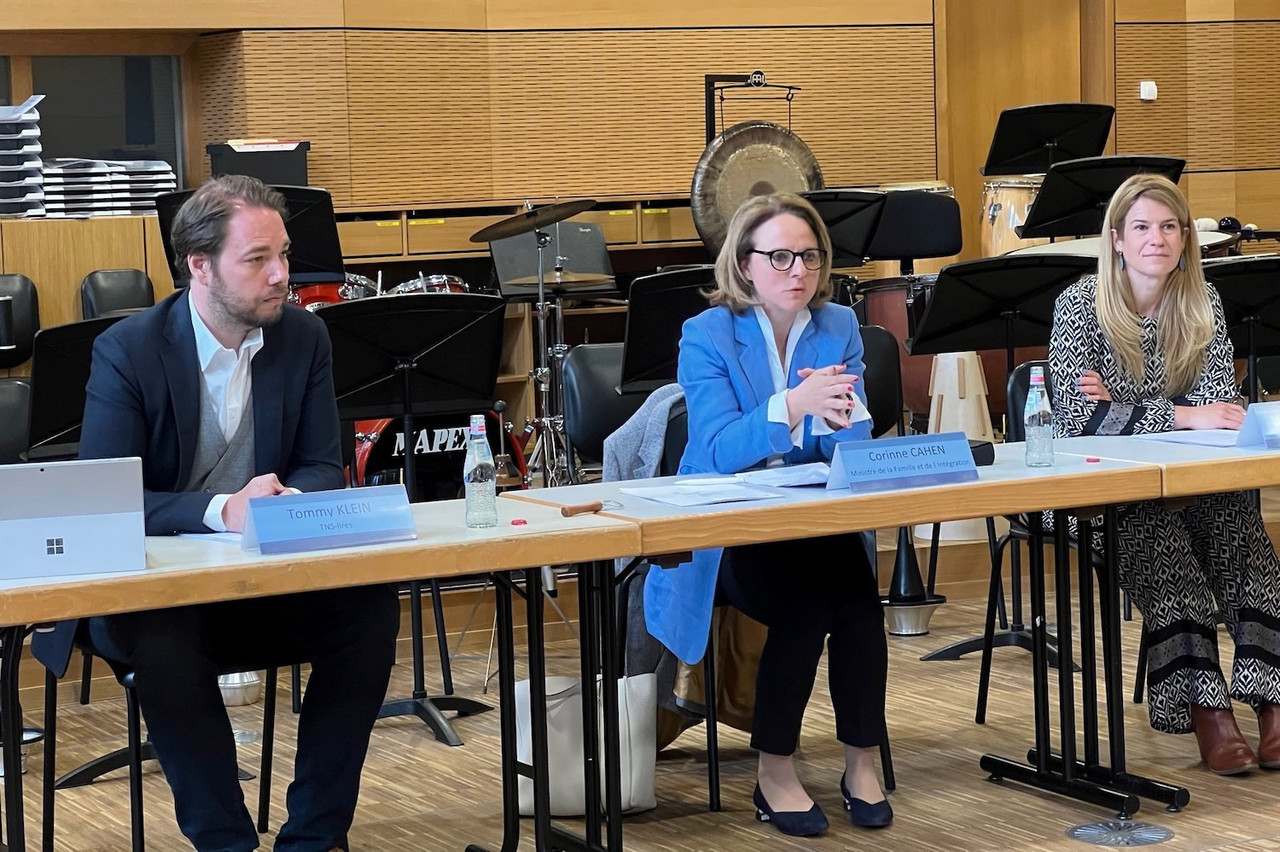
“Language is an important factor,” said Tommy Klein of TNS Ilres, which carried out the survey for the family ministry. Foreigners and people who feel less integrated are also less likely to volunteer, he said during a press conference on Wednesday.
Three-quarters of the people who said in the survey that they don’t feel well integrated don’t volunteer. This rises to 80% of people who indicated that they don’t speak Luxembourgish. Single people and those aged 25 to 34 are also less likely to volunteer, the survey found.
Many foreigners “want to contribute, but don’t really know where [to begin],” said family minister Corinne Cahen (DP). While language can be a barrier, Cahen said volunteering can also be an opportunity to learn a new language. “Volunteering is an important integration factor.”
Cahen said volunteering is a “core element of living together and the cohesion of our society.” And it can take many forms, from being a volunteer with a charitable organisation to helping out at a local club and association to ad-hoc support in the neighbourhood.
Accommodating people’s schedules
The results of the survey will help develop activities to promote volunteering in the country and make it more accessible, Cahen said. First steps are already underway. For example, a new online platform set for launch mid-year will aim to match people looking to volunteer with opportunities available.
The ministry is also working with communes to develop information materials for new arrivals. It is planning awareness campaigns and volunteering will also be included in Luxembourg’s new integration law, which is set to be presented later this year.
The law regulates the national welcome office, the welcome contract and other institutional integration bodies and is undergoing review. A study by the OECD last year said that while integration policy in Luxembourg looks good on paper, it lacks implementation.
For people who volunteer, being useful, interacting with other people and the feeling of accomplishing something are the main benefits. But many also complained that they don’t have enough time.
Volunteering must “adapt to the rhythm of people’s lives,” said Cahen, adding that there appears to be a greater demand for ad-hoc help rather than firm, regular commitments. There are also new areas of interest, with young people, for example, more interested in environmental causes and animal rights than traditional areas of volunteering, such as social work or sport and music clubs.
Four out of ten people said they would consider volunteering if it was organised through the workplace and during working hours. Considering that three-quarters of working people said they lack time to volunteer, raising awareness for volunteering with companies could also be a way forward.
“We have clearly understood that volunteering is an opportunity,” said Cahen. The study “gives us many elements that we can work on,” she said.