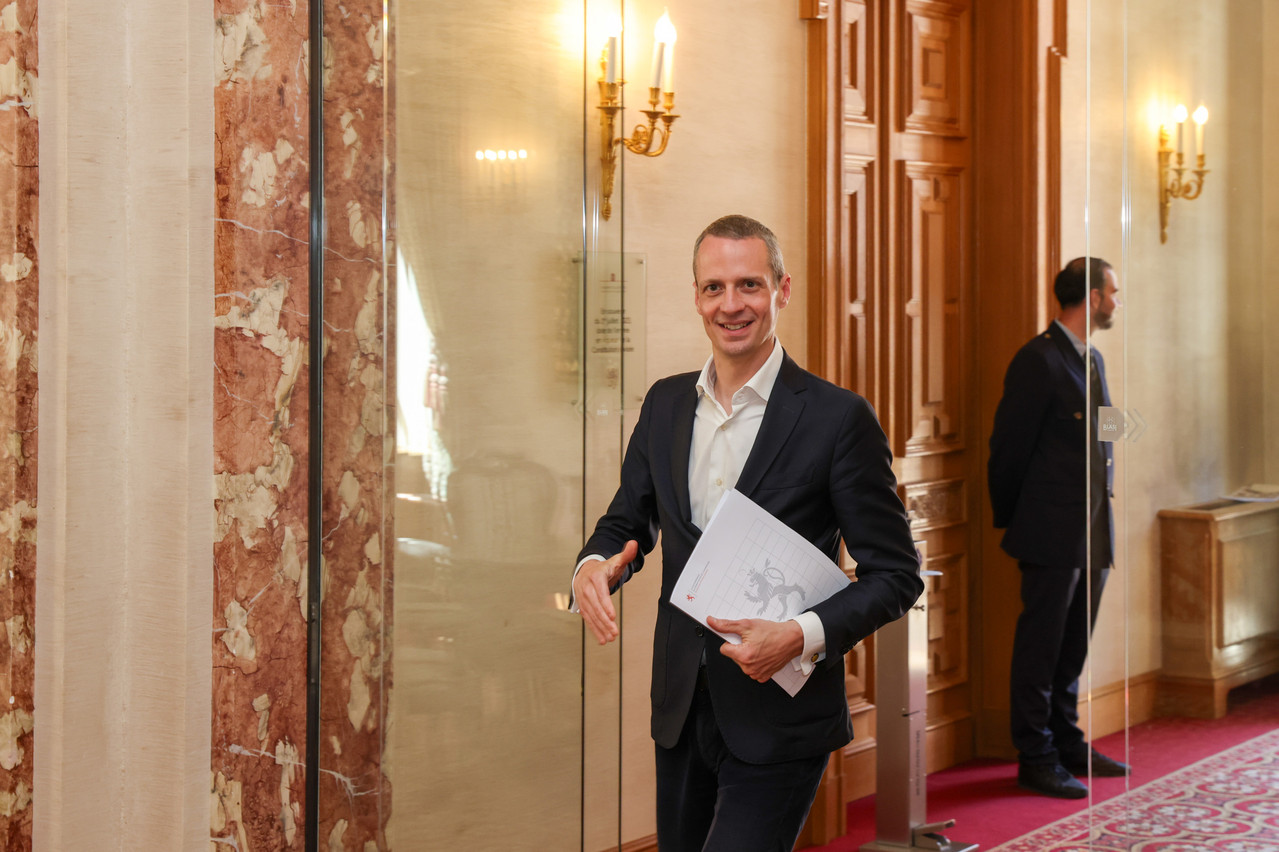
"We promised to develop renewable energies. And this government is keeping its promises! In 2024, the number of photovoltaic installations reached a record level, with 8,000 new installations coming on stream. Green energy for almost 30,000 homes," said the prime minister, 


Installed solar energy capacity has been steadily increasing in the country since 2010, as shown by the figures unveiled in a parliamentary reply by Wilmes. Between 2010 and 2014, it increased by 89 MW, corresponding to 3,277 installations. From 2015 to 2019, the increase was 44 MW (2,199 installations). Finally, over the period 2020-2024, installed capacity jumped by 396 MW, for a total of 15,671 new installations.
160 MW installed by 2024
In response to the former coalition MP and minister for the environment, 
When asked about the subsidies mobilised to support investment in solar installations, the Minister explained that "as soon as it took office, the current government decided to renew the 'top-up' of the 'Klimabonus Wunnen' financial aid scheme. It will also gradually introduce arrangements for pre-financing this financial aid. A bill on the pre-financing of aid for solar photovoltaic installations was tabled in November 2024."
More in detail, the subsidies granted for photovoltaic installations with an output of 30 kW or less were fairly stable from 2019 to 2022, before undergoing an initial increase of 50% between 2022 and 2023. The most notable increase took place between 2023 and 2024, when the amounts rose from €2,551,612 to €25,775,876, an increase of 910%.
Investment grants on the decline
In parallel with the calls for tenders introduced in 2018, which provide operating aid for large-scale photovoltaic installations, three calls for tenders based on investment aid have been launched since 2022. In 2022, 46.3 MW of capacity were mobilised, for a total forecast investment of around €44.4m, including €16.1m in public support. In 2023, 33.4 MW of power were mobilised, with forecast investment of €40.2m (state aid: €12.4m). In 2024, 13.6 MW have been mobilised, for an estimated investment of €15m, of which €5.4m will be borne by the state.
Among the other renewable energy sources, wind power remains in the lead, with an additional rated capacity of 115 MW over the period 2019-2024. By way of comparison, biogas rose by just 0.12 MW, solid biomass by 1.61 MW, and waste wood by 57.7 MW. "As far as hydrogen is concerned, there are currently no production facilities. However, a call for projects with a budget of €110m--aimed at supporting the installation of around 12 MW of electrolysis capacity for the production of renewable hydrogen in Luxembourg - was organised and closed in mid-February. The projects submitted are currently being evaluated", says Wilmes.
In total, in 2023, renewable energy production (electricity, heat and transport) will amount to 4,400 GWh, compared with 3,345 GWh in 2019.
This article was originally published in French.