The government, employer groups and trade unions on 31 March signed an agreement on a €830m package to support households and businesses through the energy crisis. This includes tax credits for employees, higher subsidies for energy efficient home renovations and loan guarantees for businesses, among other measures.
While the government can single-handedly implement some of these measures--such as reducing fuel prices by 7.5c/litre on 13 April by decree--many of them will need to pass in parliament.
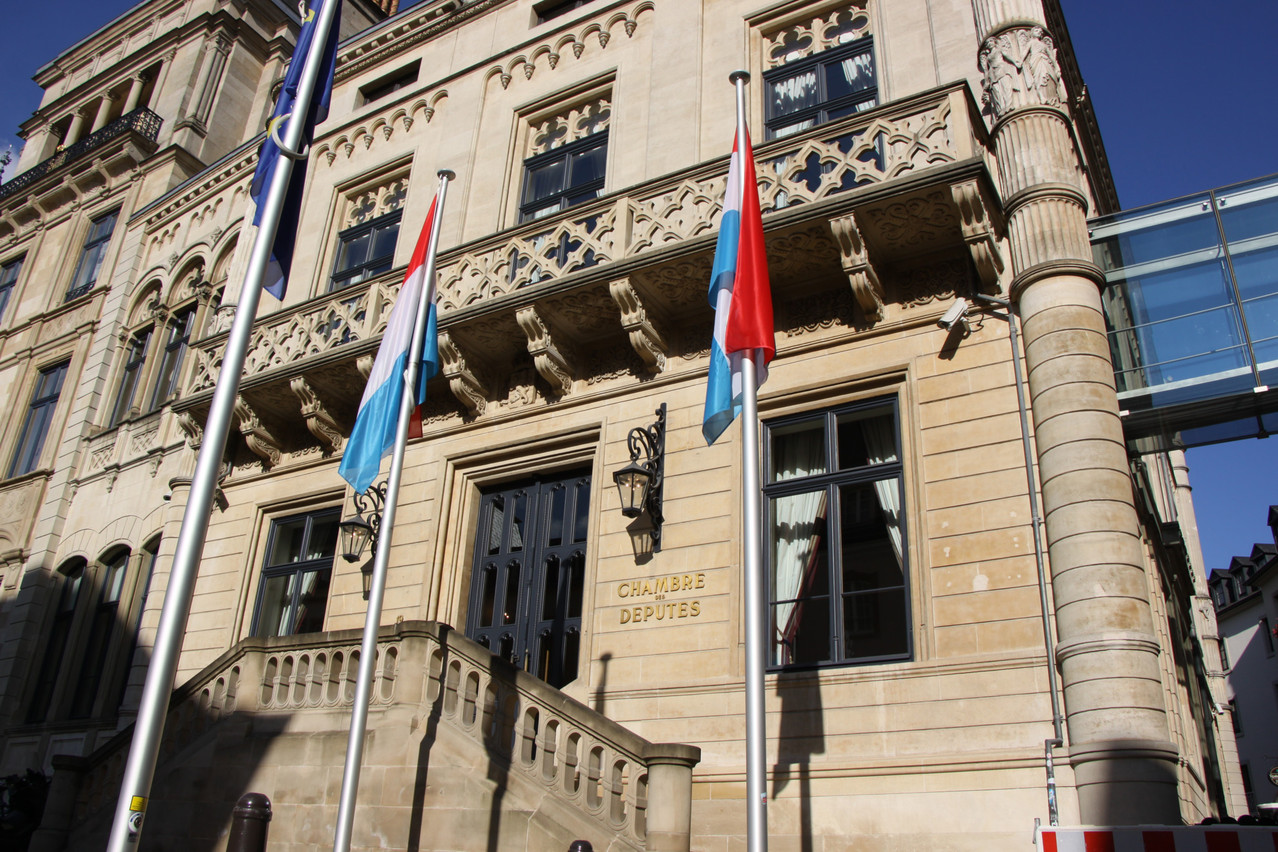
To help cut down lengthy legal procedures, parliament set up a tripartite committee--named after the three-party talks--which will bring together lawmakers and government representatives from the relevant departments to swiftly move things along.
The implementation of the tripartite agreement is set to be presented as a so-called omnibus law. This means that changes to laws in a wide range of sectors are made through a single legal instrument. MPs then vote on the extensive amendments as a package rather than broken down into separate bills.
The tripartite committee is set to meet for the first time on Tuesday although no further details on the agenda have been made public. Economy minister Franz Fayot (LSAP) and finance minister Yuriko Backes (DP) will be present during the meeting.
The government has faced criticism for long delays to implement previously announced measures to help households during the energy crisis. At the end of February, the government announced it would spend €75m on a new energy bonus for low-income households and to cover network costs for gas utility providers to shrink consumer costs.
But the forms to apply for the energy bonus didn’t go online until four weeks later and lawmakers only on Wednesday are set to meet to work on a draft law on the government paying €45m on utility costs.