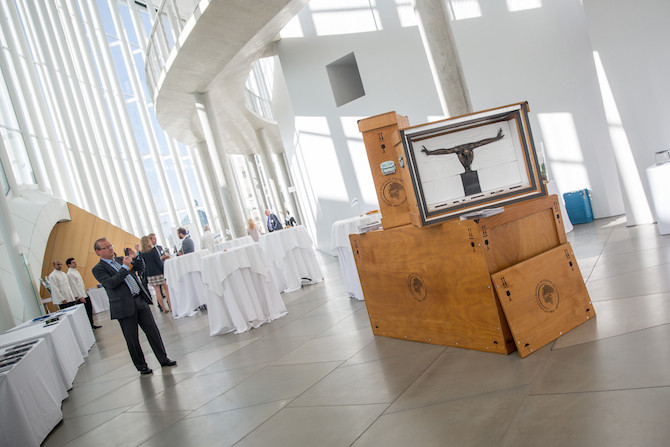








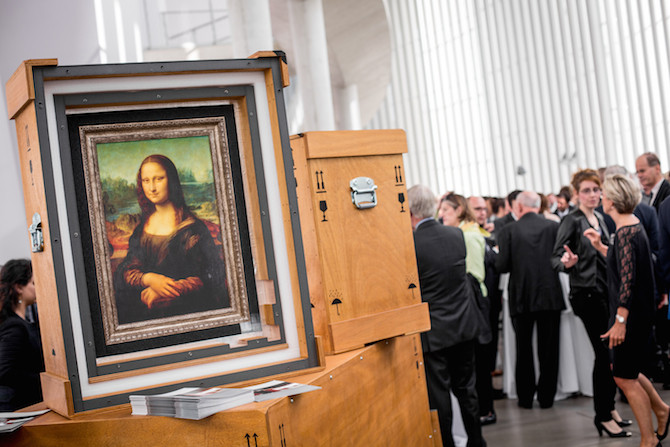
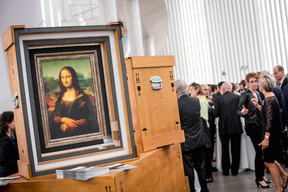
No more safety concerns about that Monet landscape of yours. The same goes for the three-carat diamond necklace you hardly have an occasion to wear and the vintage wine boxes that you still haven’t had the time to drink. The Luxembourg Freeport opened its doors on Wednesday meaning one can rent a safe box, store valuables and even sell them to interested collectors.
The 22,000 square metre facility offers everything from small boxes and vaults to enormous safe rooms. However, it is not only about storing valuable objects; the main reason for the investment is to attract international collectors and investors who would use the Freeport for tax free trading.
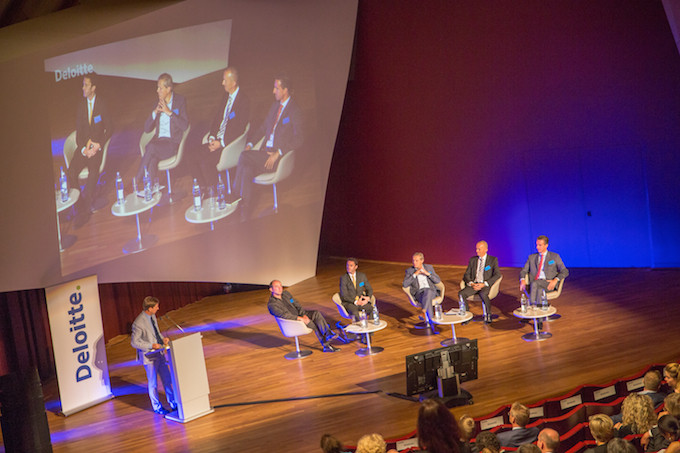
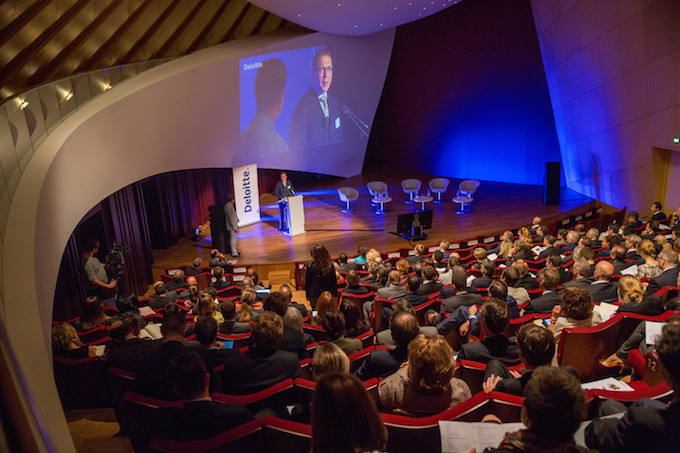
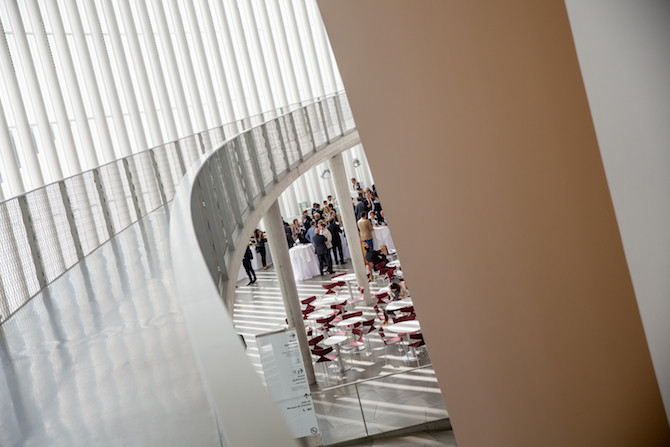
The value of objects stored at the Luxembourg Freeport may amount to several billion euros, its boss told Delano during a conference organised by a consulting firm on Thursday. The investment is expected to have a positive impact on the country’s economy including the asset management, logistics and insurance sectors.
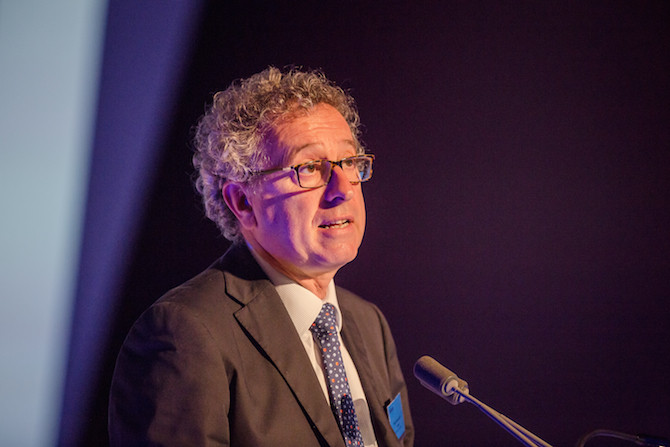
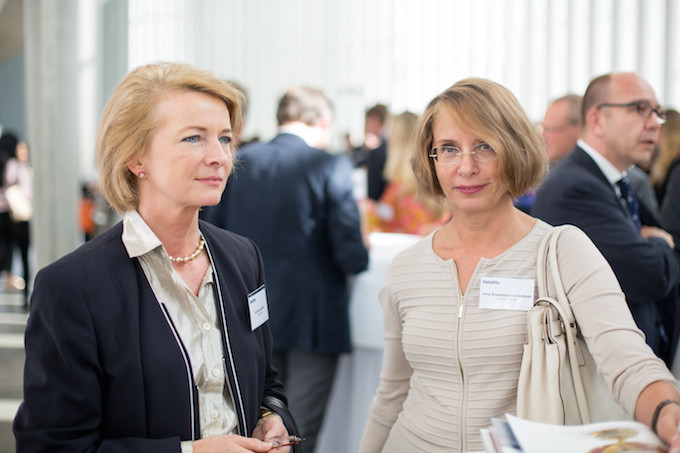
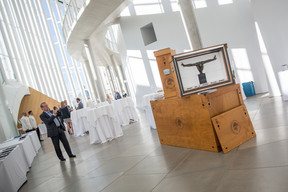
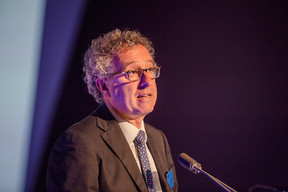
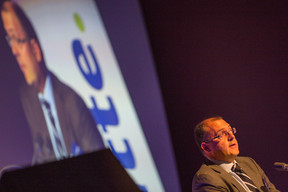
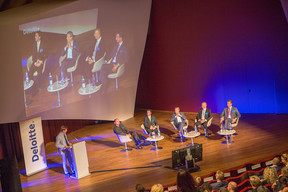
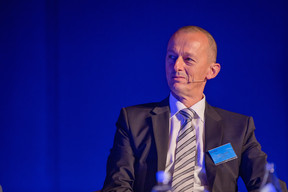
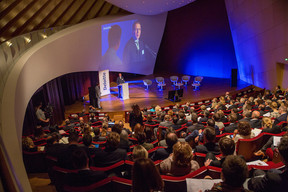
“As long as the valuables stay in the Freeport, no VAT or excise tax is due,” Pierre Gramegna, the finance minister, said during the “Deloitte 2014 Art & Finance conference” at the Philharmonie. “This is not an exterritorial zone, however, and if the goods leave the Freeport, a 6% VAT applies. All other Luxembourgish laws are equally in place and we have put an extremely strong focus on transparency.”
For this reason only certified companies, and not individuals, can rent space in the Freeport. Additional safety measures include screening of all incoming objects, constant monitoring, as well as 24-hour customs accessibility to all rooms.
First EU freeport
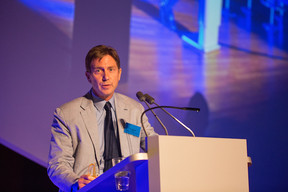
In the EU, the Luxembourg Freeport is the first one of its kind. “We have all the ingredients to become a successful player in the art and finance sector,” Henning zur Hausen of Cargolux said at the conference. “Luxembourg is the fifth largest cargo airport in Europe and already a considerable number of works of art go through it. The Freeport’s vicinity to the airport eliminates the cost of road transport and reduces related risks of loss or damage”.
Total project cost amounted to €53 million. The promoters are private investors led by Yves Bouvier, who also owns the Singapore Freeport.
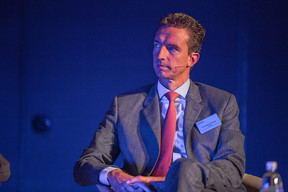
“We see a huge demand for our service. Already 60 per cent of the Freeport is rented”, said David Arendt, general manager of the Luxembourg Freeport.
Cultural draw
The project addresses current international art and finance trends. Interest in valuable collector items grew after the crisis of 2008 when traditional investments were hit.
According to the Art & Finance report by Deloitte and ArtTactic released during the conference, an increasing number of art buyers are acquiring art and collectibles with an investment perspective. This number grew from 53% in 2012 to 76% in 2014. The latest figures from auction houses Sotheby’s and Christie’s show that this year's auction figures already account for 88% of the 2013 total.
Even though the building will not be open to the public and all transactions and storage information are confidential, officials expect that the Freeport will positively influence the development of Luxembourg as a centre of culture: attracting art fairs and galleries.
Open house
The Freeport will exceptionally open its doors to the general public during the Private Art Kirchberg event on 28 September. Visitors will have the opportunity to visit the premises between 12.30 and 7.00 p.m.