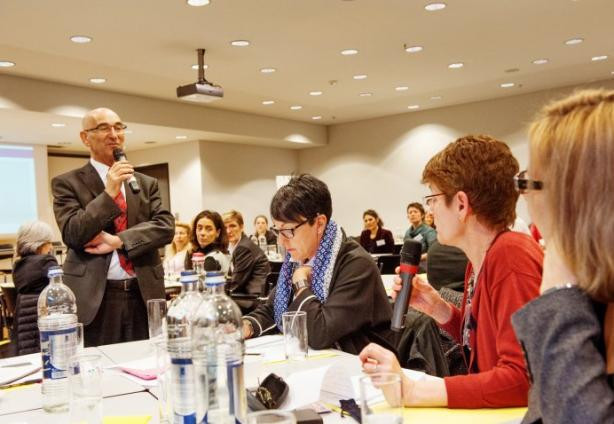


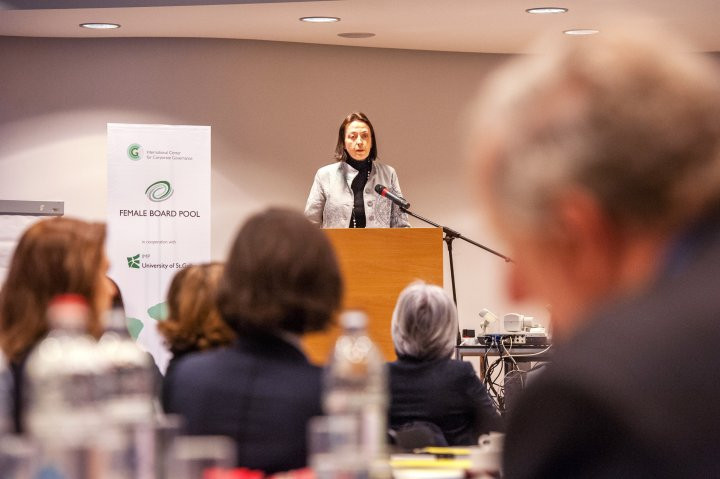
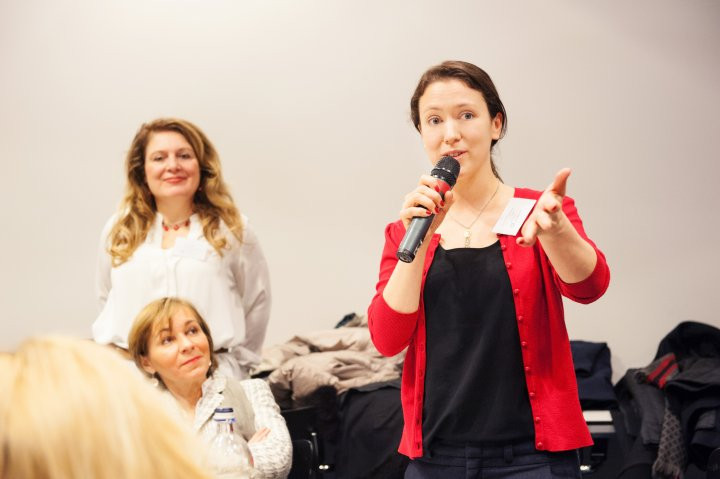
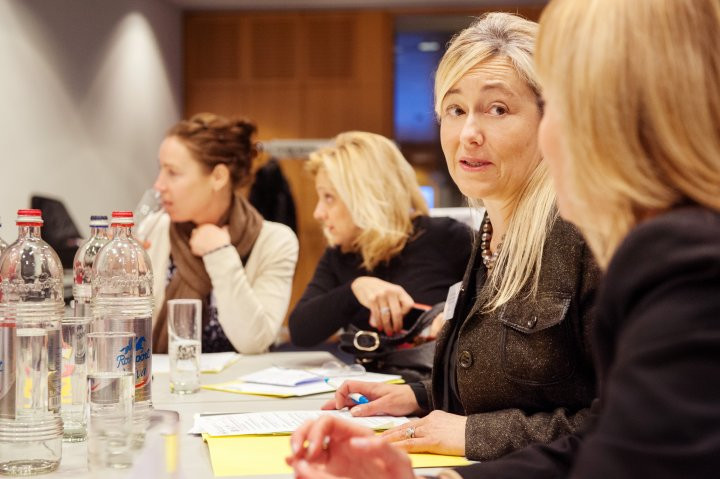

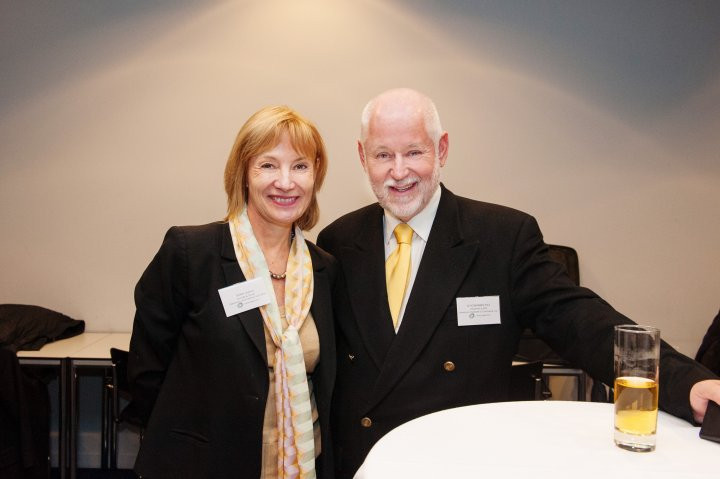
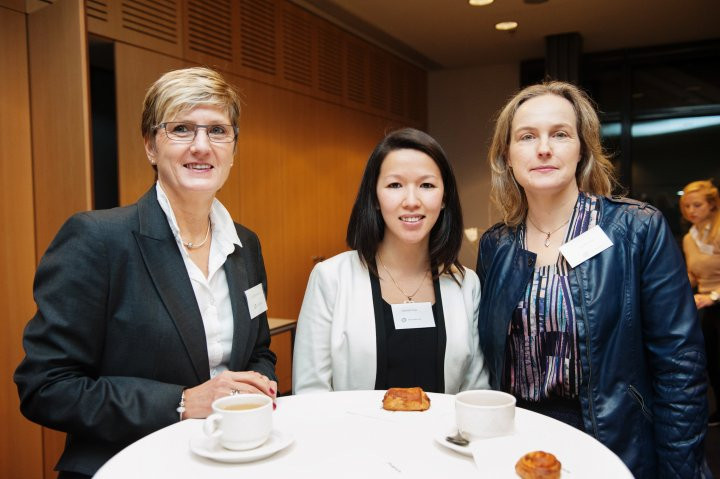
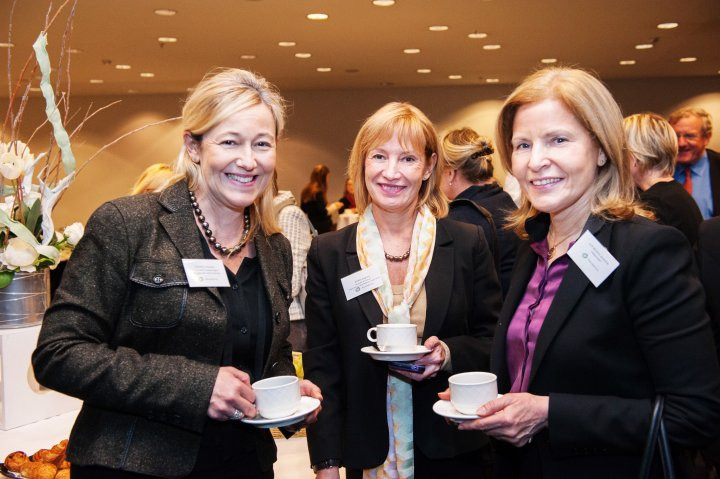
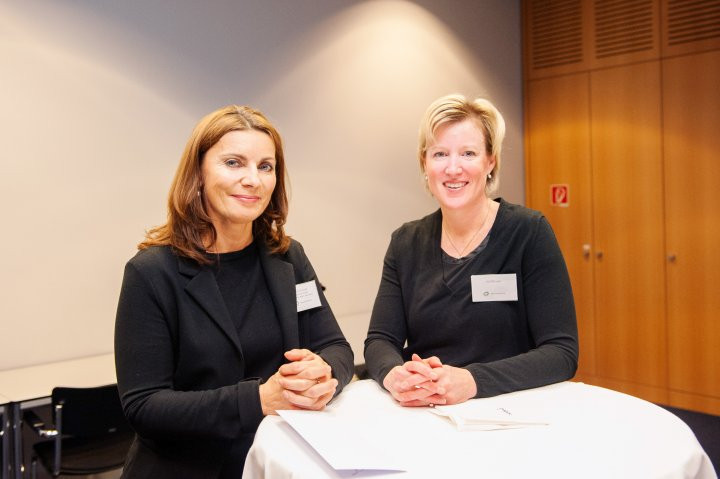
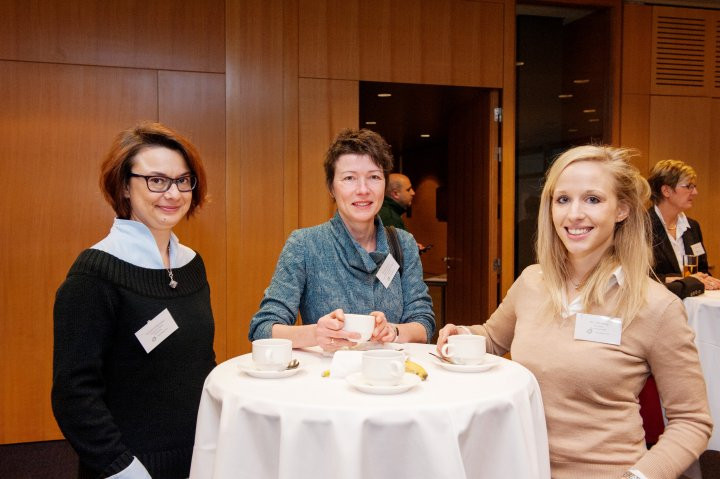
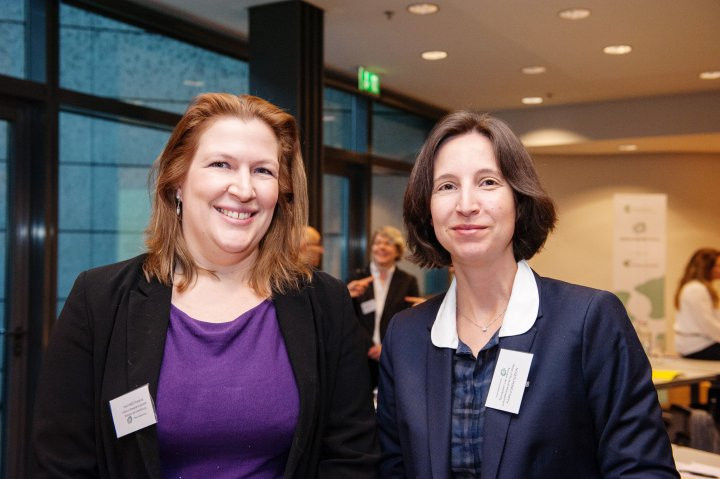
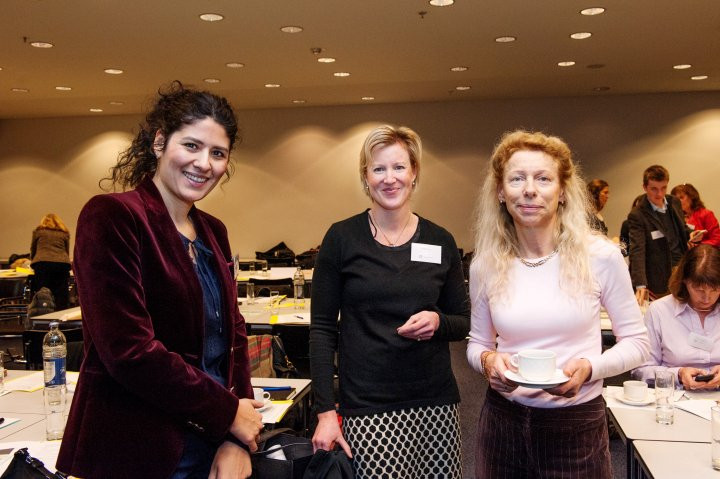
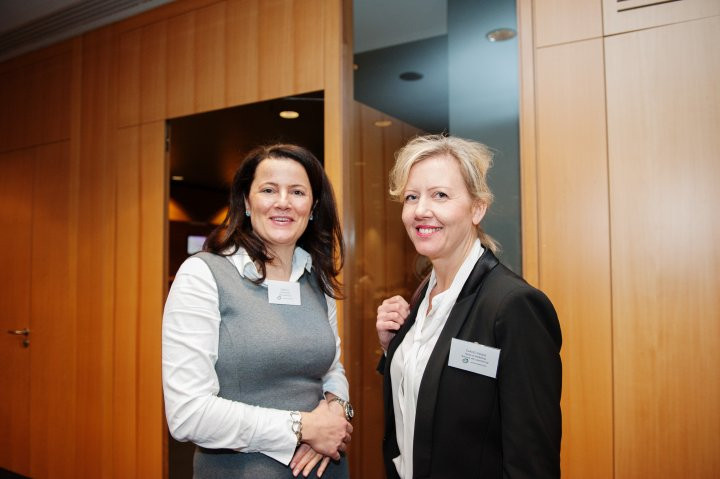
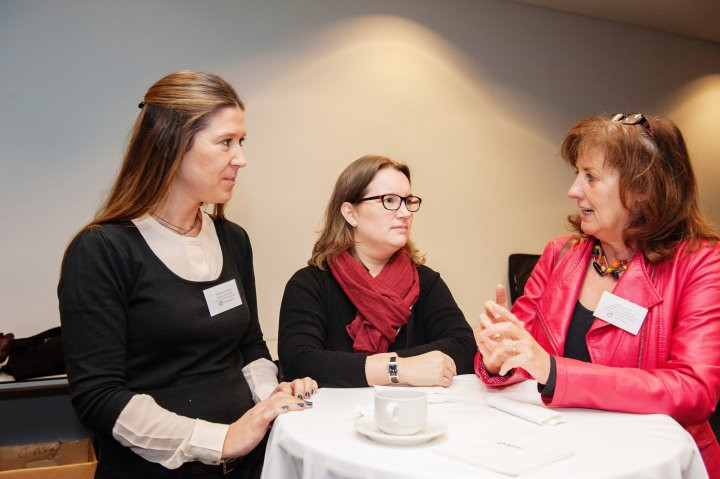

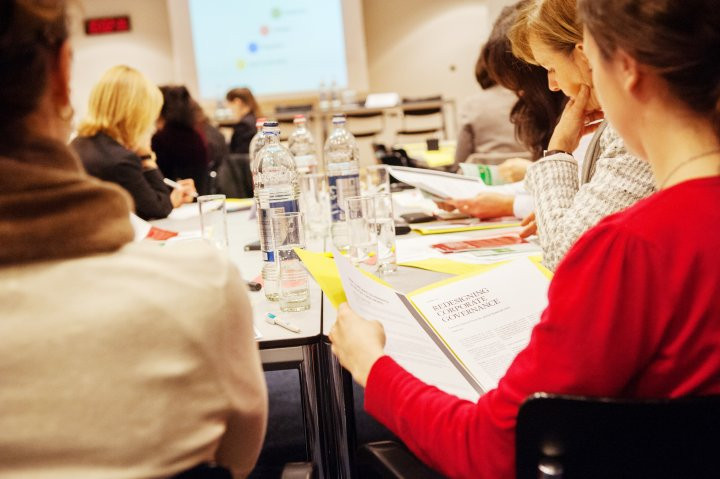
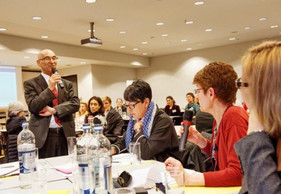
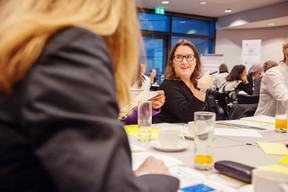
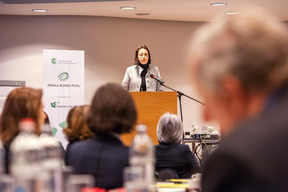
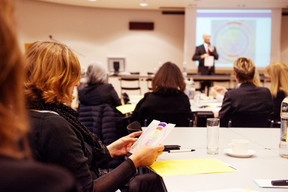
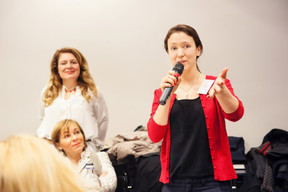
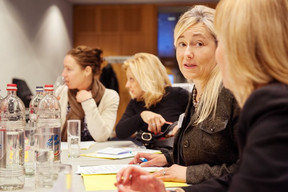
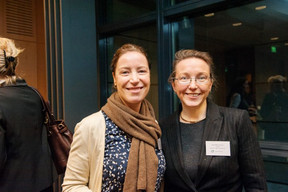
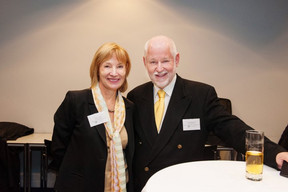
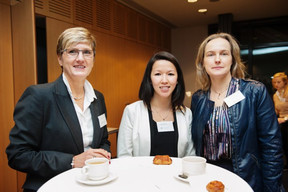
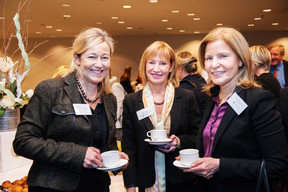
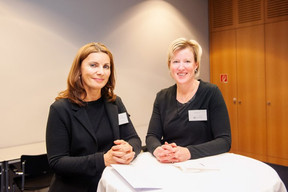
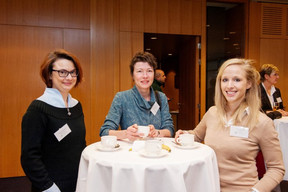
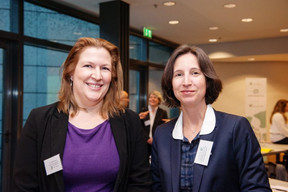
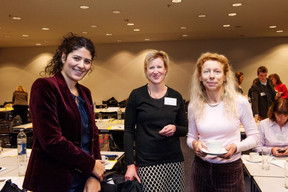
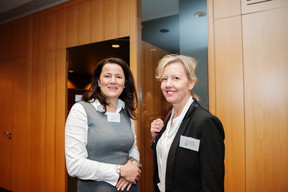
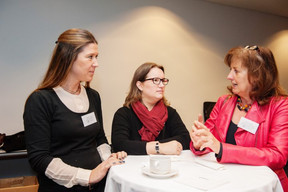
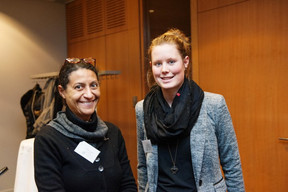
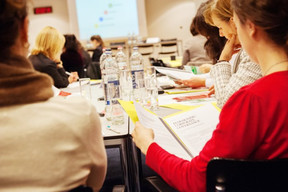
This (male) journalist was very much a minority when the successful and motivated businesswomen of the Grand Duchy arrived en masse on 14 January for the sixth edition of the Female Board Pool in Luxembourg seminar.
Held at the Chamber of Commerce in Kirchberg, one of the organisation’s most active sponsors, the subject was “smashing the male monopoly” as one guest speaker put it. In other words, trying to get more women onto boards of companies and stimulate further opportunities in a business world still very much dominated by men.
Attended by a very varied group of women, from new aspiring businesswomen to hard-grafting veterans, it was a chance to network as well as hear from some people offering insight into the world of boards and governance.
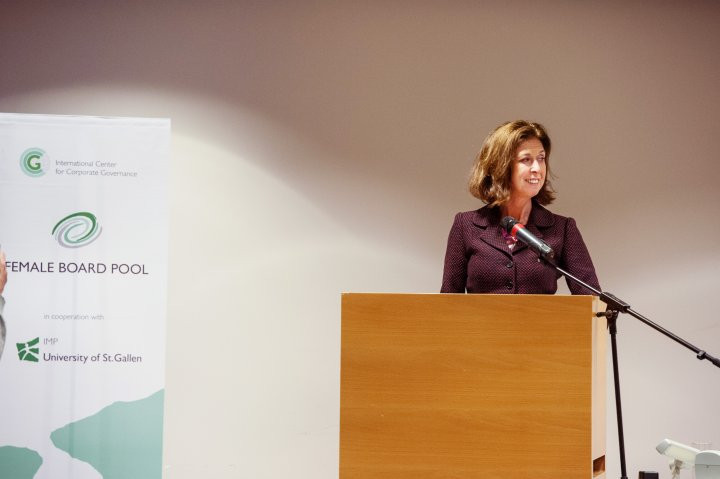
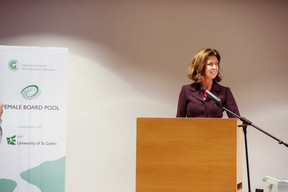
Lydia Mutsch, the minister of equal opportunities, is quite obviously a firm advocator of the cause saying in her speech: “I believe that the Female Board Pool really helps women” and that “I welcome the initiative”.
She stated that “women are breaking new ground”, but that this was not enough which is why the government has put in place a plan aiming for women to represent 40% of company board members by 2019, an ambitious but attainable target in Mutsch’s eyes. She further added that “we all know that women matter, but some don’t show it yet”.
Maryse Duffin, a company secretary at HSBC, or an “internal policeman” as she liked to call it, agreed with Mutsch. She told Delano that, although she doesn’t intend to be part of a board, in her everyday job she has had to attend many board meetings where she has seen first-hand the divide between men and woman. She was, however, optimistic about the future, saying: “there are a lot of young women coming through”.
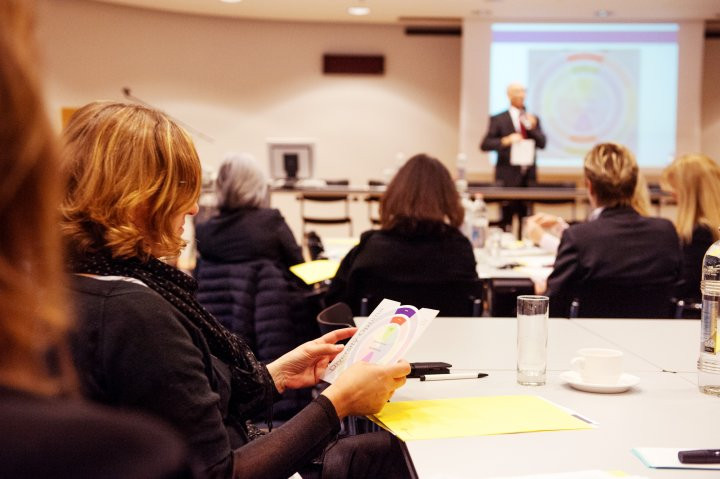
A more educational and scientific approach on how to create a successful and efficient board was explored by Martin Hilb, a professor at the University of St Gallen in Switzerland, who believes in gender equality but said “this is important, but not enough”. He added that candidates must have an assigned role and possess a certain “know how” to be the perfect board member.
Stereotype and reality
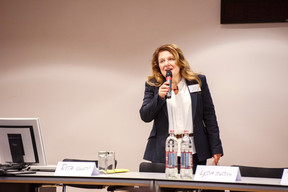
Monique Bachner, an attorney who runs her own law firm in Luxembourg, Bachner Legal, stressed “the importance of going beyond the pale, male and stale”. That is, away from the stereotype and reality of the boardroom today. She presented surveys that found in 2013, out of 5,977 companies in 45 countries, 36% of boards did not even have one female member.
“I am one of the pale, male and stale”, proclaimed Paul Schonenberg, head of Amcham and member of several boards of directors. He added though that Amcham has supported the Female Board Pool in Luxembourg for many years and that he very much strives for gender equality. Yet he feels that women are not helping themselves at times. He encouraged the women in the room to adopt “the gung-ho, confident approach that men often have”.
Schonenberg also stressed the importance of knowing people and establishing connections and relationships with colleagues and peers, especially if you want to join a board.
He thinks that all diversity is good, “whether it’s multilingual, multigender or multiracial”, telling Delano that “diversity will at the end of the day, protect companies from making mistakes”.
Gender equality, however, is a very fashionable subject at this point in time, as it should be, and as Schonenberg put it, as “half of the brains on this planet belong to women” it would be a shame to waste them.