
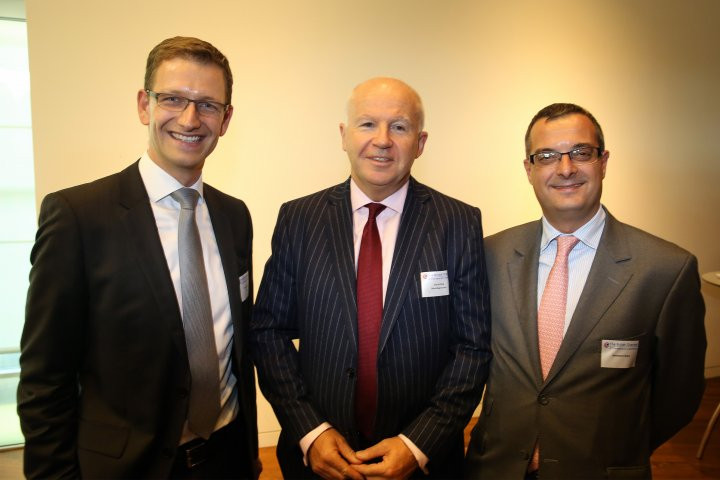



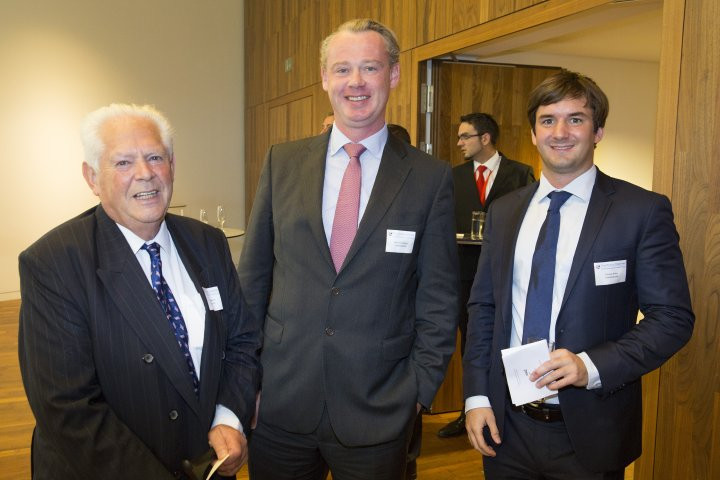






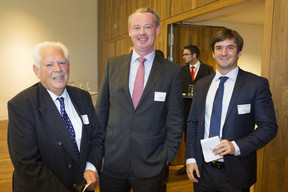
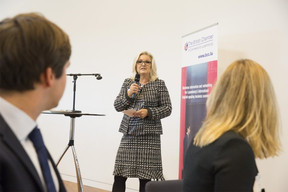
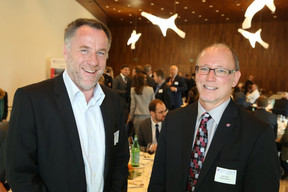
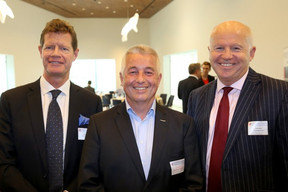


Elected last April to succeed Didier Mouget at the head of the consultancy PwC Luxembourg, John Parkhouse officially took over as new CEO of the biggest Big Four on 1 July. Talking to a significant crowd during the British Chamber of Commerce’s luncheon on Monday, he described the long transition as a very positive one, during which he and his partners have had the time to focus on the firm’s current and future situation.
“When we look at the energy and the diversity that we have, there’s a large amount of potential,” Parkhouse said while pointing out the 57 nationalities currently working at PwC.
“The make-up of our people and our partnership is constantly evolving and is reflective of our business. It means we have a lot of different ideas and perspectives and a great understanding of what it takes to serve global businesses. If we can maintain that energy and diversity, the future looks very bright”.
Nation branding
However, Parkhouse admitted that getting people to come to Luxembourg to work is a challenge. “Which is why the nation branding efforts made by the government are important, not only in terms of attracting business but also to appeal to the people we’re going to need here. People are a key feature in our ability to continue to succeed.”
He also pointed out that it remained a struggle to get Luxembourgers involved. Among the 2,500 PwC staff, only about 50 are locals.
The opportunities provided by new technologies were something Parkhouse emphasised the importance of as well. “Technology is on the cusp of transforming what we do, how we do it and how we deliver it.” According to the CEO, the disruptive and transformative nature of technology is a challenge, which must be addressed on many different levels in order for the organisation to stay ahead.
“Constructive regulation”
In the same way, increasing flexibility in the “very audit-dominated” firm’s offer is seen by Parkhouse as being crucial. As for regulation, including audit reform and tax changes, it will play an important role in the future too. “We need to move forward in a mode whereby we have constructive regulation.”
Speaking about the continuing success of the financial services industry in general, he noted that an important point was the business-friendly environment in Luxembourg. “We actually have a minister of finance who says ‘we love banks’ and the fact that the new government has kept that line is great. It sends out a message of stability.”
The PwC CEO also spoke highly of the collegial nature of the industry in Luxembourg and “the willingness of the industry, the government, the regulators and the tax administration to work together to get to the right answer.”
Investment funds still core
In terms of future, Parkhouse told the BCC that he believed the mutual funds business will continue to be core to Luxembourg’s growth and that despite a loss in ETFs and passive investments, the country is doing well and will keep on that way. He also noted the continuing influx of new banks and a shift in private banking, increasingly focusing on the high end of the wealth curb.
In guise of conclusion, Parkhouse put down the continuing success of Luxembourg’s financial services industry to: remaining agile and innovative, retaining and nurturing the “Lux Inc.” collegial mentality, and remembering that “our business is export”.
“The market here is a pure export market. Pretty much everything we do is designed to go cross the border. That fixes our mindset and makes sure that we look at things globally, and that explains our past achievements too.”