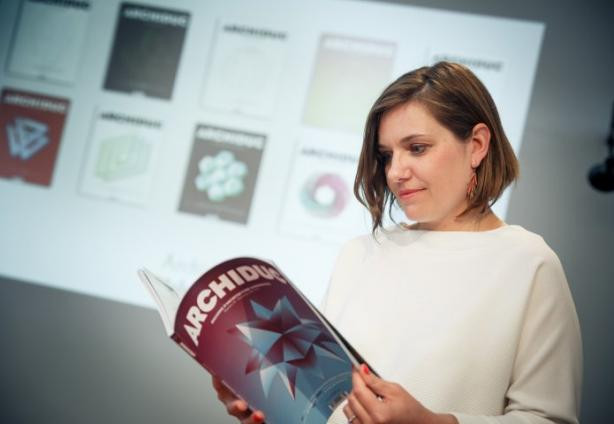
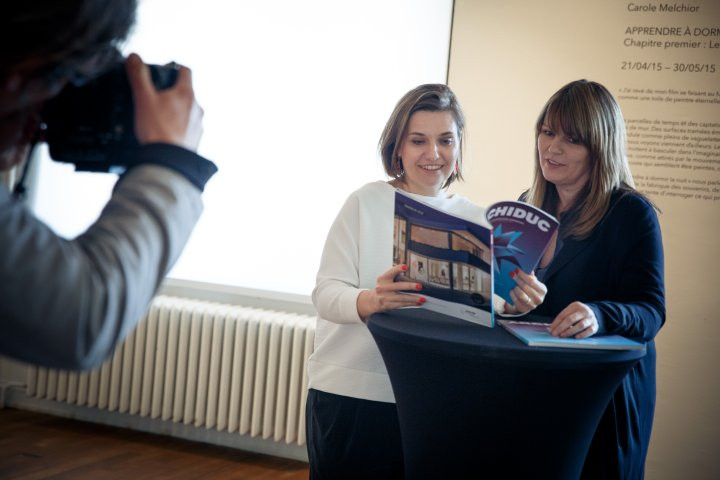
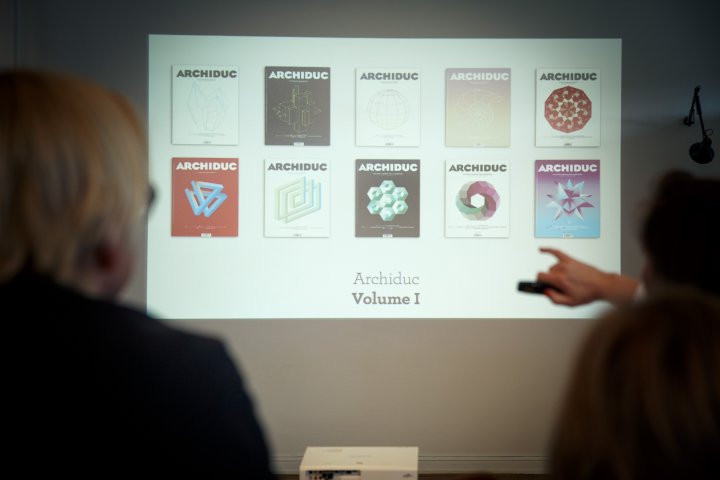

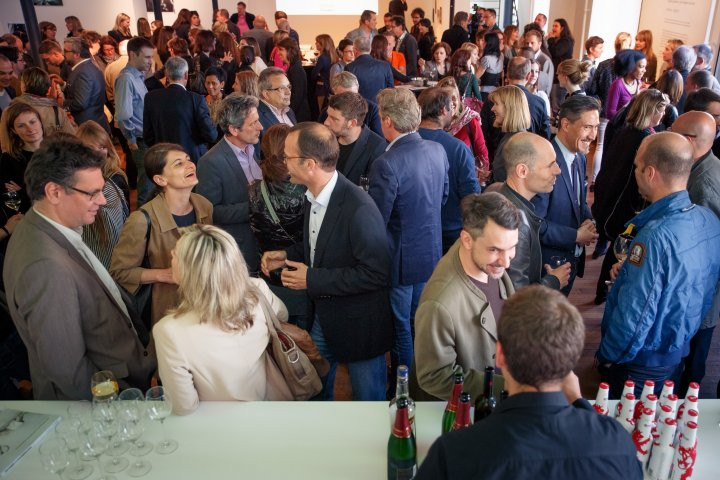
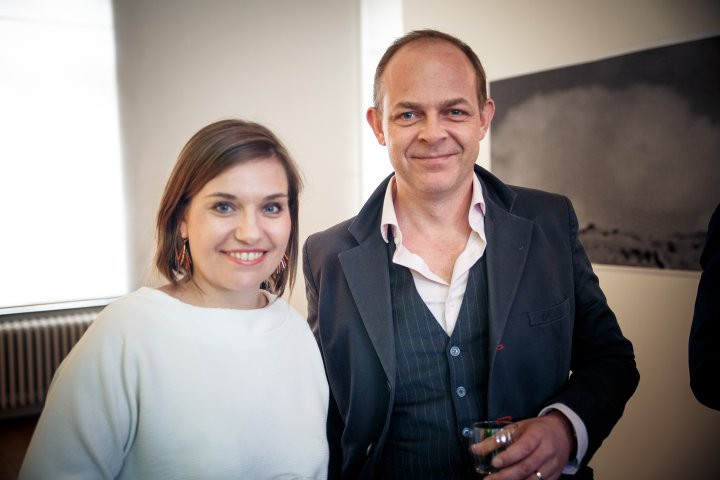
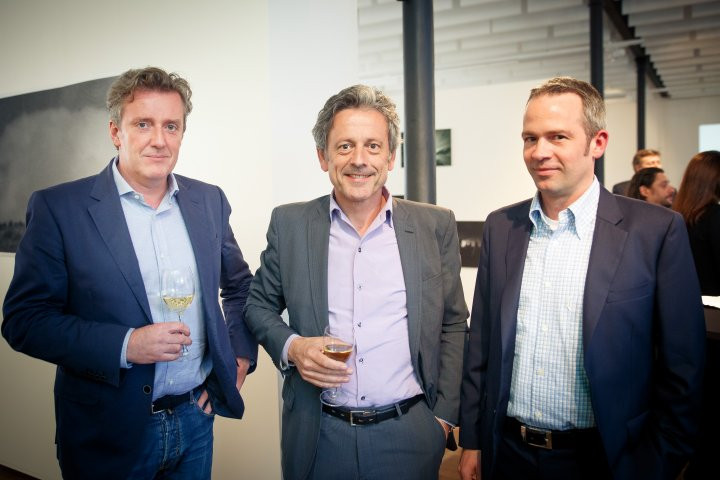
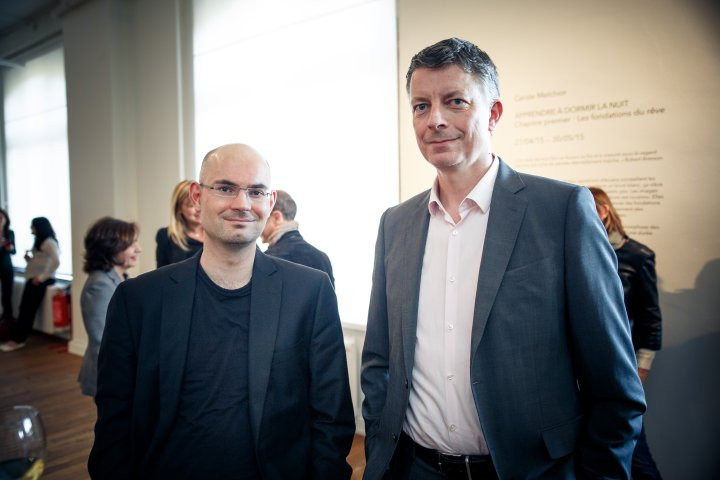
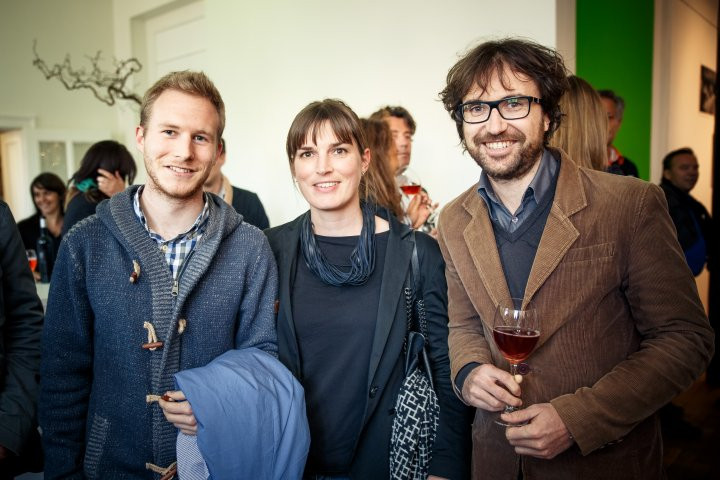
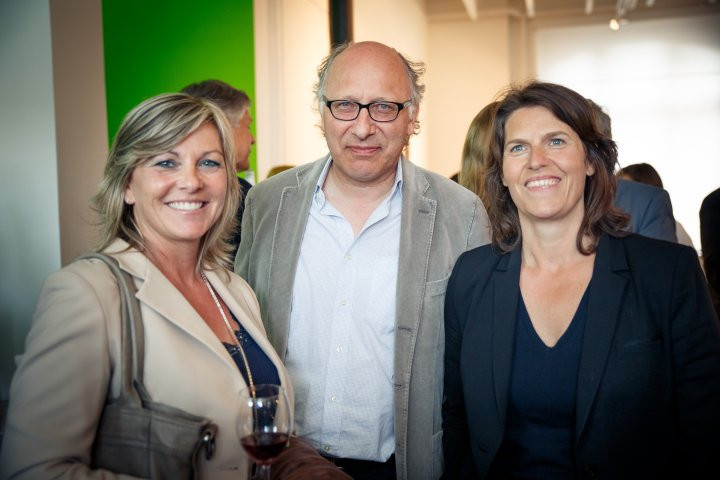
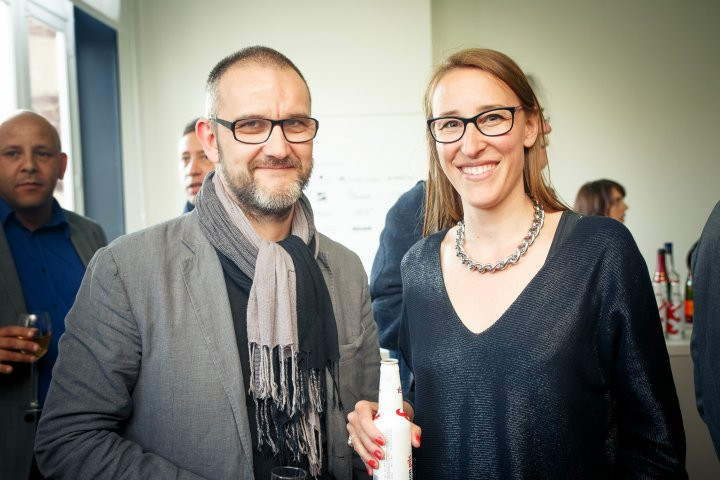
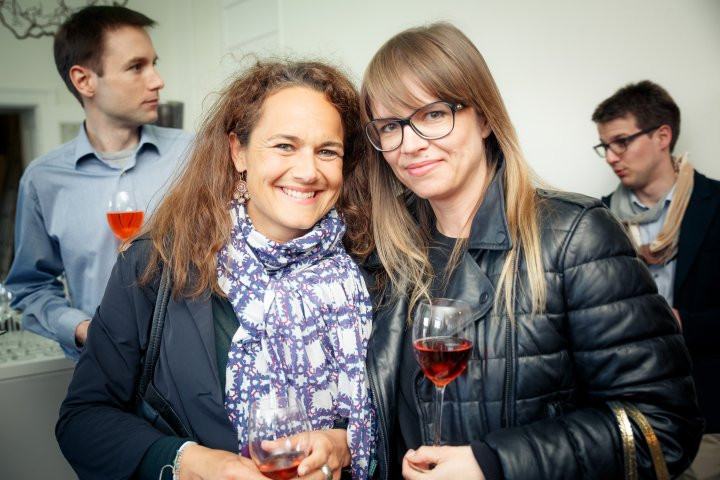

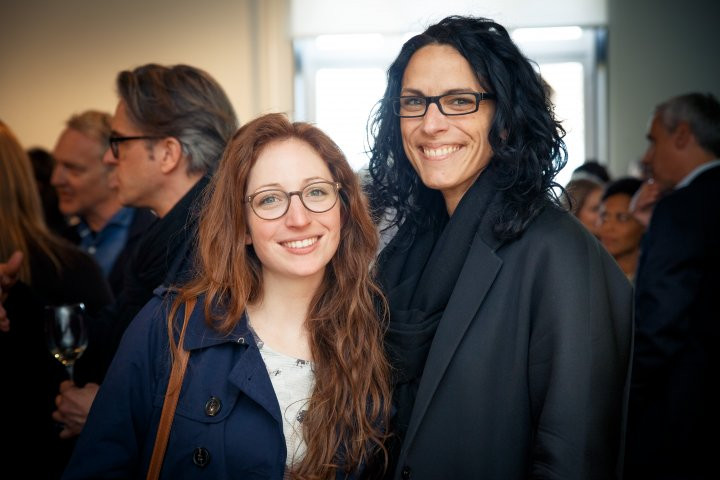
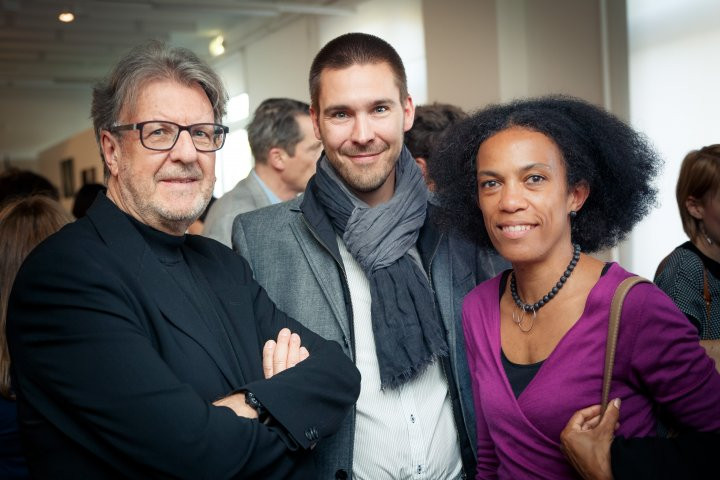
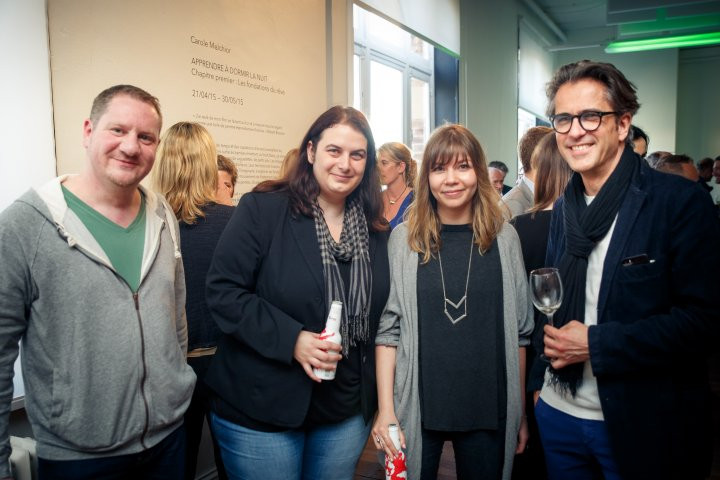
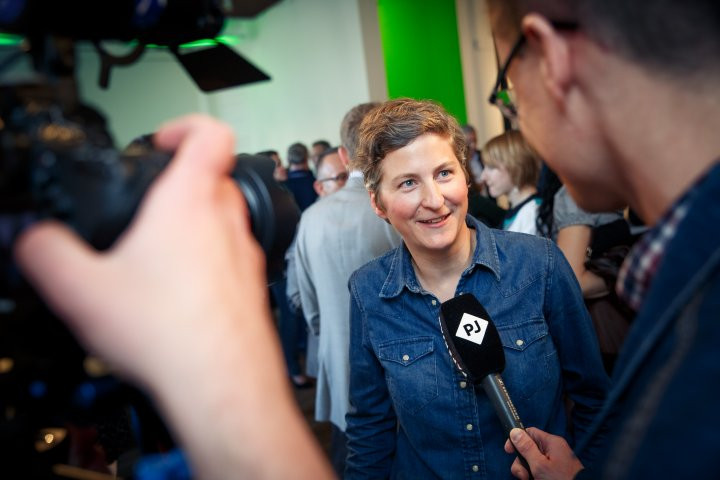
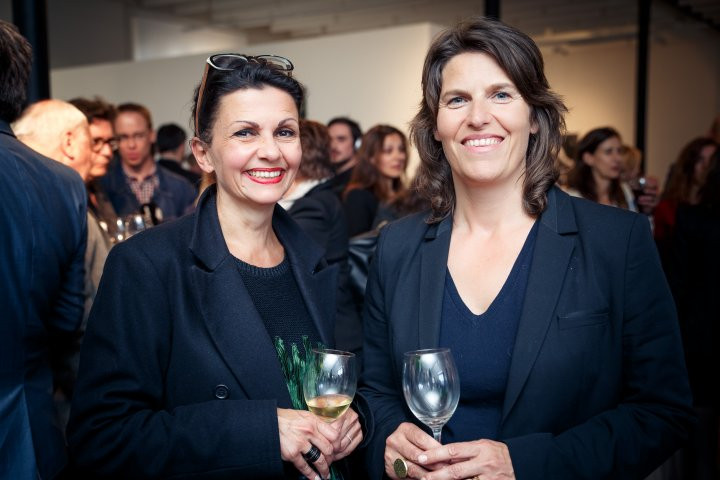

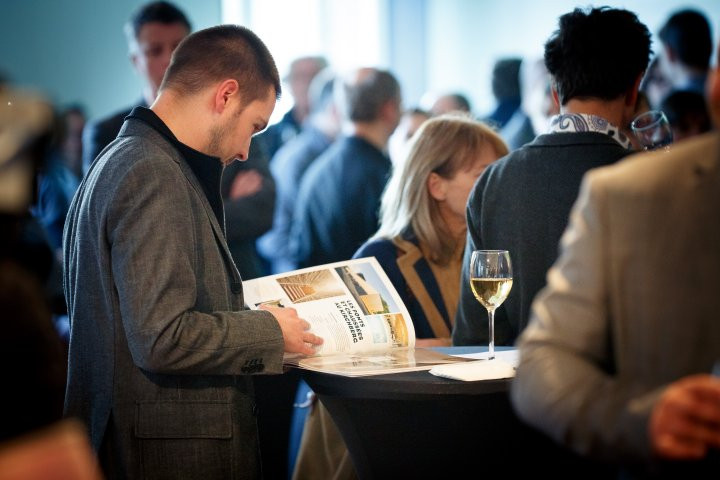

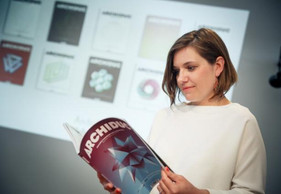
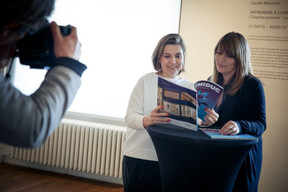
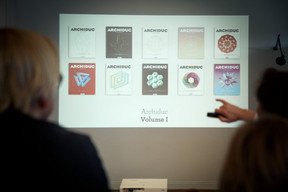

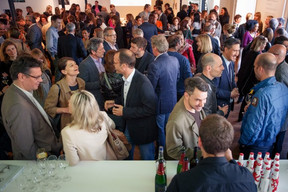
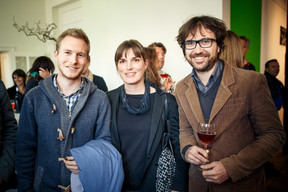
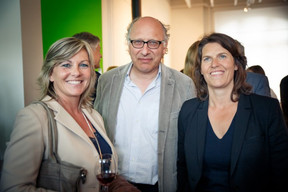
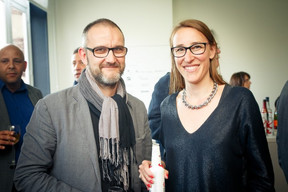
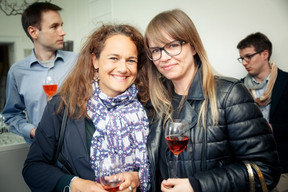
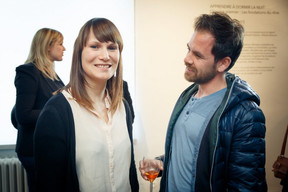
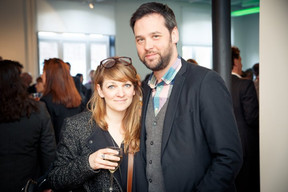

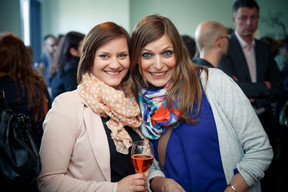
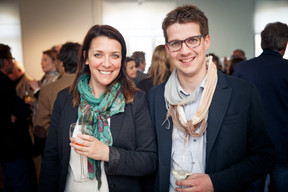

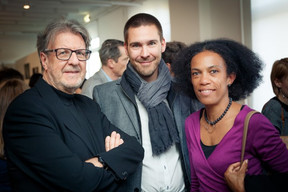
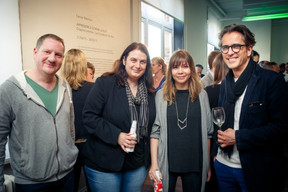
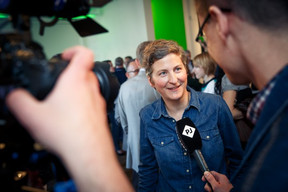
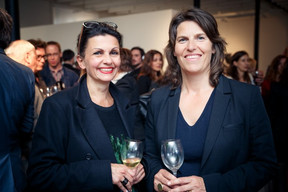

The 10th edition of Archiduc magazine, which covers the world of contemporary architecture in Luxembourg, hit newsstands this month, marking the publication’s half-decade anniversary. To fête Archiduc’s 5th, its publisher Maison Moderne (which produces Delano) and partner LUCA Luxembourg Center for Architecture hosted a soirée on Tuesday.
Shortly before the event, Delano asked Céline Coubray, Archiduc’s editor in chief, about the Grand Duchy’s best and worst construction projects and what she hopes to see from the capital’s new tram system.
AG: What are the biggest changes that you’ve seen in Luxembourg’s architectural scene since the launch of Archiduc?
CC: “Over the past five years several ambitious, large scale projects have been launched. Just in Luxembourg City we have a new city centre, with the Royal Hamilius [renovation], a new national stadium that will be set up in a new neighbourhood, a new national library, the redeployment of a tram, not counting the numerous other office, public facility and housing construction projects which have already been completed and those coming! Luxembourg is growing and its real estate stock is following its development.”
AG: Has there been a downside to recent growth?
CC: “Insulation. It can look virtuous on paper, but can have a negative impact on the appearance of façades, which increasingly look like “macaroons” because of the insulating blocks. Walls look more and more hollow and reduce the architectural character of certain older homes.”
AG: Any favourite projects that you’ve featured in Archiduc?
CC: “I really like the extension of the Villa Vauban by Philippe Schmit, the Kiosk in Kirchberg park by Polaris, but also the Belair sports centre by Auer+Weber+Assoziierte Architekten in collaboration with Georges Reuter’s practice, the office building in Bonnevoie by Steinnmetzdemeyer, and the renovations of the Café des Capucins by Moreno Architectes.”
AG: Any “horrible” ones that you kept out of the magazine’s pages?
CC: “There’s the Cité judiciaire [the capital’s judicial complex], which I’ve never covered, but merits a discussion because we really wondered about this project. Also a number of multiple residence buildings where only the profitability of each constructible metre counts… but those types of buildings will never find their way into Archiduc!”
AG: What impact, in your personal opinion, will the new tram system have on the capital’s architecture?
CC: “I really hope that the tram designers will seize the opportunity to improve our experience in public spaces. The introduction of this mode of transport is an excellent occasion to redevelop certain spots, to increase our comfort and our experience. [For passengers riding the tram] it will also be a moment to see our city and its heritage in a different light and have another look at its façades and shared spaces. It will likewise permit certain districts to develop and so give new momentum to urban planning and urban development.”
The spring-summer 2015 edition of Archiduc was released 24 April and is available from newsagents or subscribe online.