











Attracting significant numbers of alternative investment funds to Luxembourg is the industry’s latest medium term objective. More funds are coming to the EU, but traditional centres such as the Cayman Islands and Delaware remain most popular. For now, at least.
The recent EU directive to regulate alternative investment fund managers has been good for Luxembourg. Since the law was changed just over a year ago, 170 managers now registered and operating here, with a further 70 applications in the pipeline. Could this be helping indirectly to attract alternative funds (i.e., hedge funds, real estate funds and private equity funds) to move here too?
The EU appears to be gaining increased market share in this growing market. A report commissioned by the fund industry trade group ALFI (“Domiciles of Alternative Investment Funds”, Oliver Wyman) showed that in 2013 the EU was the base for 11% of all alternative funds globally, up from 10% in 2010. Luxembourg is the dominant domicile within the EU, with nearly two-thirds of total EU-based funds and assets located here. However, Dublin and Malta have been catching up steadily since 2010.
Regulated vs. unregulated funds
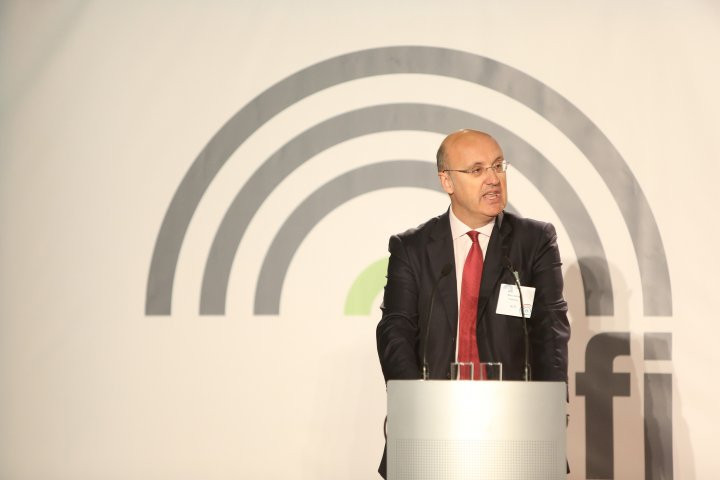
Marc Saluzzi, ALFI chairman, told Delano that he felt Luxembourg and the EU could mount a serious challenge to the traditional alternative centres over the medium term. “We have to convince institutional investors that it is worthwhile to have fully regulated funds,” he said.
The 2008 crisis showed how unregulated funds can run into problems, so he argued, the cost of regulation would be worthwhile for many. “We need an efficient toolbox and we must make sure that procedures are simplified and automated, and then we will be able to make a competitive offer to the market,” he said. In short, more than ever Luxembourg needs to make sure it is a “one-stop-shop” for funds.
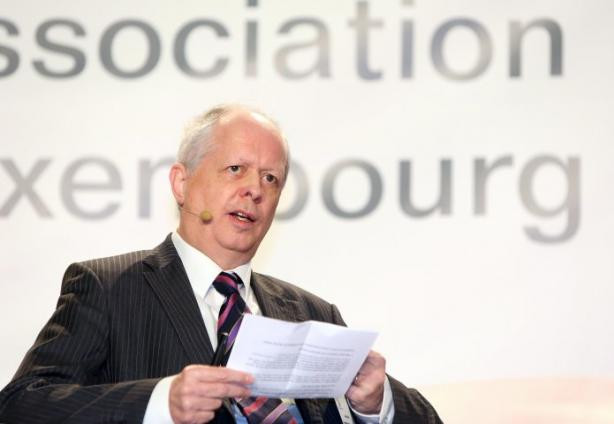
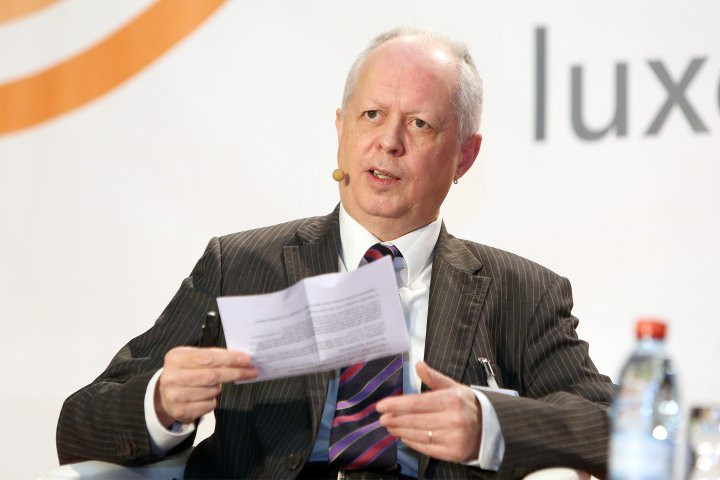
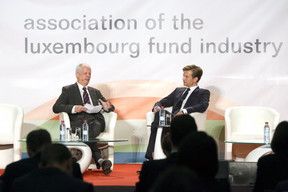
Central to future success will be the efficiency and pragmatism of the regulator. Jean Guill, the director general of the Luxembourg’s financial regulatory agency, the CSSF, was interviewed during the ALFI European Alternative Investment Funds Conference on Tuesday.
Although he said he was “not keen” on the rapid growth of his institution, he reckoned it was inevitable given new regulations and the growth of the financial sector. The headcount is now at 600, 200 more than five years ago, with plans to increase to 700-750 in the coming years.
Despite this hiring, there have been bottlenecks, partially regarding the work to register the wave alternative investment fund managers in line with the 2013 directive. A participant in a later panel described how due to the backlog, their AIFM application took six months longer to process than expected.
Industry needs to play its part
Guill is aware of the CSSF’s responsibility in this regard but he also called on the industry to play their part to help speed things up. “I appeal to those who haven’t already applied to be careful and not wait too much longer,” he said.
As well, he pointed out that professionals should check to make sure that all their operations conform to the rules. Making sure regulations are as logical as possible was also partly the industry’s responsibility, he said, urging involvement with all discussions with European and local supervisors.